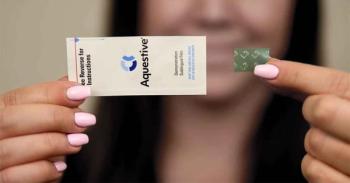
DBV filed a BLA for the Viaskin peanut patch in peanut-allergic children aged 4-7, citing phase 3 VITESSE data, and requested priority review.
The FDA has updated its approval for 1-mg epinephrine nasal spray, removing the age limit to allow all patients weighing at least 33 lb to access the treatment.
In a recent discussion with Contemporary Pediatrics, Nicole Chase, MD, allergist at St Paul Allergy and Asthma, provided comprehensive insights into the evolving landscape of emergency anaphylaxis management following the FDA's decision to remove the age criteria for epinephrine nasal spray (neffy; ARS Pharmaceuticals).
This significant regulatory update transitions the emergency treatment from an age-based model to a strictly weight-based protocol, specifically targeting younger pediatric patients weighing between 33 lb and 66 lb. Chase emphasized that this change effectively standardizes emergency care for children, who are often neglected in terms of specific medical guidance. By focusing on weight rather than age, the medical community can now ensure that every child, from toddlers in day care to older students, receives the most appropriate dose for their physiological size, removing unnecessary caution that previously limited access for younger patients.
One of the most profound impacts of this needle-free option is the potential reduction in treatment delays during severe allergic reactions. Chase noted that a primary barrier to timely epinephrine administration has long been the "needle phobia" and general anxiety associated with traditional autoinjectors. This fear often causes caregivers to hesitate during the critical first minutes of anaphylaxis.
With the availability of a nasal spray, Chase anticipates a measurable increase in treatment adherence. Caregivers are not only more likely to keep the device on their person but are also more empowered to use it immediately, as the intimidating nature of a needle injection is eliminated. This paradigm shift provides parents with more options, allowing them to choose the delivery method they feel most confident using in a high-stress emergency.
Furthermore, the updated labeling for epinephrine nasal spray introduces unprecedented flexibility regarding storage and handling, which Chase believes will provide immense reassurance to schools, day cares, and summer camps. The device is now proven to remain potent even after accidental freezing or exposure to high-temperature excursions up to 122 °F. For parents in extreme climates, such as Minnesota winters, where devices may be accidentally left in a car overnight, this stability is a game-changer.
Even in instances where a toddler might reflexively sniff during administration, clinical data confirm that the delivery and potency of the medication remain unaffected. This allows parents to administer the spray in whatever position is most comfortable for the child, whether seated or lying down, without compromising the therapeutic outcome.
As children approach the 66-lb threshold, Chase recommends a proactive transition to the 2-mg dose, often starting as early as 55 lb to account for sudden growth spurts and ensure continuous, effective coverage.
No relevant disclosures.
Reference
ARS Pharmaceuticals receives FDA approval to remove age requirement from neffy 1 mg (epinephrine nasal spray) label. News release. ARS Pharmaceuticals. March 27, 2026. Accessed March 27, 2026. https://www.globenewswire.com/news-release/2026/03/27/3263722/0/en/ARS-Pharmaceuticals-Receives-FDA-Approval-to-Remove-Age-Requirement-From-neffy-1-mg-epinephrine-nasal-spray-Label.html