Takeaways
- Full repeal of nonmedical exemptions was associated with a 2–4 percentage point increase in kindergarten vaccination rates for DTaP, hepatitis B, MMR, and polio within three years.
- Exemption rates declined significantly, driven by reductions in nonmedical exemptions, with minimal substitution toward medical exemptions (increase of only 0.4 percentage points).
- Partial repeals generated smaller and less durable impacts, indicating that comprehensive exemption removal is more effective for maintaining vaccination coverage amid rising vaccine hesitancy.
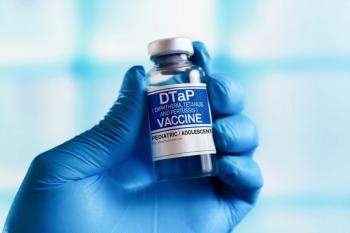
Childhood vaccination rates in the United States have declined in recent years, raising concern about increasing vulnerability to vaccine-preventable diseases and the role of exemption policies in this trend. A cross-sectional study published in JAMA Pediatrics examined how the repeal of nonmedical vaccine exemptions in select states was associated with kindergarten vaccination rates from 2011 to 2023.1,2
Study purpose and design
The study sought to evaluate whether eliminating nonmedical exemptions—such as personal, philosophical, or religious exemptions—was associated with higher vaccination coverage among kindergartners. Investigators used annual state-level data reported to the Centers for Disease Control and Prevention (CDC), including vaccination rates for diphtheria-tetanus-acellular pertussis (DTaP), hepatitis B, measles-mumps-rubella (MMR), and poliovirus vaccines, along with medical and nonmedical exemption rates.
A staggered difference-in-differences approach compared 4 states that fully repealed nonmedical exemptions—California (2015), New York (2019), Maine (2019), and Connecticut (2021)—with states that maintained their exemption policies. Vermont and Washington, which enacted partial repeals, were analyzed separately. These policy changes were examined using event-study models to identify changes up to 4 years after repeal.
Key findings
Across states that enacted full repeal, exemption rates declined substantially. According to the study, “total exemptions declined by 3.2 (95% CI, 1.9-4.4) percentage points within 3 years of repeal,” and this change “primarily reflected reductions in nonmedical exemptions, which fell by 3.6 (95% CI, 2.0-5.1) percentage points.” Minimal substitution toward medical exemptions occurred, with a small increase of “0.4 (95% CI, 0.04-0.7) percentage points.”
These reductions occurred without detectable differences in prerepeal trends. The authors noted “no evidence of differential trends before repeal,” supporting the validity of the observed associations.
Vaccination coverage increased in states that repealed nonmedical exemptions. Three years after repeal, DTaP vaccination rose by 4.1 percentage points (95% CI, 3.3-4.9), hepatitis B by 2.8 percentage points (95% CI, 2.1-3.5), MMR by 4.0 percentage points (95% CI, 3.1-4.9), and polio by 3.8 percentage points (95% CI, 2.9-4.6). These increases were consistent across estimation models and robust to sensitivity analyses.