Black race was the strongest predictor of T2-high inflammation in 451 children with severe asthma adjusted for social and environmental factors.
Host Brian Schroer, MD, interviews Sathya Areti, MD, about her case study presented at ACAAI 2025.
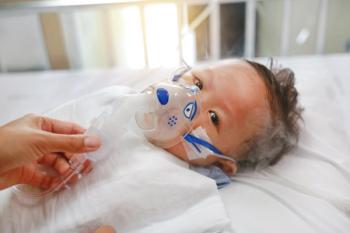
A 4-year-old boy with recurrent intensive care unit (ICU) admissions for lower respiratory tract infections was ultimately diagnosed with X-linked properdin deficiency after a focused immune evaluation prompted by family history.
Sathya Areti, MD, a first-year allergy and immunology fellow, presented the case at the 2025 ACAAI meeting in Orlando, Florida, describing the complement system as part of the innate immune response with “3 types… the classical mannose binding lectin and the alternate pathway.” The case centered on a protein that stabilizes the alternative pathway. Properdin deficiency, she explained, “can predispose a patient to neisserial infections, which can range from asymptomatic colonization to very severe presentations, like severe meningococceia, which can lead to death.”
The patient had multiple ICU admissions after age 2, along with fatigue, night sweats, and respiratory distress. Family history was notable for a twin brother who died from a seizure attributed to suspected meningitis. Given the concern for an X-linked condition and possible Neisseria infection, clinicians expanded the immune workup to include complement testing.
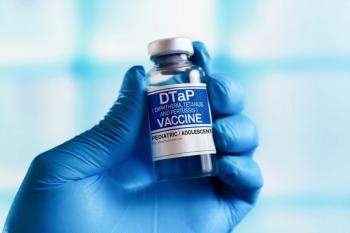
Initial evaluation included immunoglobulin levels and vaccine titers. Immunoglobulins were normal, and the child demonstrated protective responses to tetanus, diphtheria, and pneumococcal vaccines. Alternative pathway testing was low and was repeated to confirm the finding. Genetic testing through a primary immune deficiency panel identified a mutation consistent with properdin deficiency.
Management focused on infection prevention. The patient received indicated meningococcal and pneumococcal vaccines. Because properdin deficiency is associated with increased susceptibility to invasive Neisseria infections, clinicians discussed daily antibiotic prophylaxis with the family. Areti noted that “we don't have the data to fully support using amoxicillin prophylaxis,” emphasizing the importance of shared decision-making. She also stated that properdin deficiency “actually has a 75% mortality rate with Neisseria,” underscoring the potential severity of infection.
The patient was started on amoxicillin prophylaxis and, at follow-up, had not required further hospitalization.
Areti emphasized the need to consider complement deficiencies in patients with recurrent severe infections or family history of meningitis. She described the condition as “kind of a under recognized disease” and encouraged clinicians to include alternative and classical complement pathway testing when indicated.