Nikta Forghani, MD, explains when irregular menstrual cycles warrant evaluation and how pediatricians can identify PCOS and relative energy deficiency.
A teddy bear program pairs children with stuffed animals that have matching medical devices to help normalize care and reduce device-related anxiety.
A resident-led program that provides children with teddy bears fitted with medical devices matching their own may help normalize device use and reduce anxiety and stigma, according to a project presented at the American Academy of Pediatrics (AAP) 2026 National Conference & Exhibition in San Diego, California.1,2
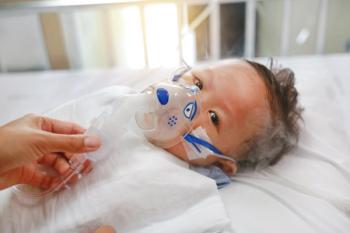
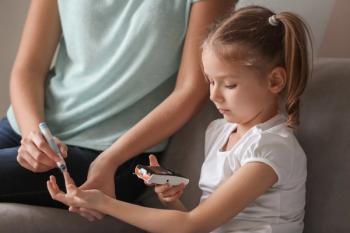
The Teddy Bear Clinic, developed at Mayo Clinic, provides stuffed animals outfitted with devices such as gastrostomy tubes, tracheostomies, and pacemakers to pediatric patients who use the corresponding device. The project is intended to address anxiety, body image, and social isolation that children with implanted medical devices may experience, particularly around peers.
"Therapeutic play has long been used to ease children's medical fears, but this advocacy project specifically targets the body-image and self-consciousness piece, the part of a child's experience tied to feeling ‘different’ because of a medical device,” Anders Jenson, MD, a PGY-2 pediatric resident at Mayo Clinic, said in a press release. “It's a small, easily replicated idea with a real emotional payoff for kids with medical devices.”
The resident-initiated and -run program received a $2200 internal Mayo Clinic grant that was used to purchase approximately 200 teddy bears. Pacemaker and tracheostomy models were provided by medical device manufacturers, while gastrostomy tubes were simulated using inflation valves from beach balls. Suture materials were donated by the Mayo Clinic Emergency Department.
Medical students were recruited to help attach the devices to the stuffed animals. This allowed students to practice suturing without the pressures of a clinical setting while providing exposure to pediatrics and developmentally appropriate approaches to caring for children.
Once completed, the stuffed animals were distributed to hospitalized pediatric patients with the corresponding medical devices.
Beyond providing children with a representation of their own device, the bears can be incorporated into patient education. According to the abstract, children can use the stuffed animals during teaching sessions to learn about their devices and become more involved in care activities, such as tracheostomy suctioning or gastrostomy tube feeding.
The bears may also be used to introduce medical devices to peers through play, potentially helping other children understand why a classmate or friend uses a device.
The project was developed in response to concerns that children with implanted medical devices may experience anxiety, stigma, and social isolation in school and community settings. Although therapeutic play has been used to reduce medical fears and support coping, the authors noted that fewer interventions specifically address concerns about body image and feeling different because of a medical device.
The project has not yet established through comparative clinical data whether the intervention reduces anxiety or stigma. Rather, the authors presented it as a low-cost, scalable approach that could be replicated at other pediatric institutions and incorporated into patient education and therapeutic play.
The intervention also provides an opportunity for families to use the stuffed animals when practicing device-related care and for medical trainees to gain experience working with children who have complex medical needs.
For Jenson, the program also has a personal connection.
"As someone with a medical device myself, I remember how isolating it could feel growing up surrounded by those without one,” Jenson said. “I hope these teddy bears help children to feel more comfortable and confident with their medical devices, knowing that they are not alone in their journey."