At AAP 2026, Peter Lio, MD, discussed distinguishing allergic and inflammatory skin conditions and when pediatricians should seek specialty care.
An adolescent medicine specialist says pediatricians should proactively discuss social media skincare trends to help prevent skin irritation and misinformation.
Social media has become a powerful influence on how adolescents care for their skin, but Trisha Torga, MD, says pediatricians can play a critical role in helping families distinguish evidence-based recommendations from online trends.
Torga, an adolescent medicine specialist at Children's National Hospital, said many young people are adopting elaborate skincare routines promoted by influencers while developing unrealistic expectations about what healthy adolescent skin should look like. Those behaviors, she said, are contributing to increasing rates of skin irritation and may even affect sleep, school performance, and mental health.
Torga believes discussions about social media should become a routine part of adolescent visits, particularly when evaluating skin concerns.
"I think it is starting to become more and more important for pediatricians to talk about social media, just in general, especially in skincare right now," she said.
She noted that many adolescents follow skincare advice from influencers or individuals presenting themselves as medical experts, but clinicians may never learn about those products unless they ask directly.
"What I've learned just in practice as well is how there are so many young people now who follow medical advice or ‘pseudo medical advice’ on social media, and if we do not ask them, they will not tell us," Torga said.
She recommends asking patients what products they are using, where they learned about them, and what expectations they have for treatment.
According to Torga, social media offers adolescents opportunities to connect with peers experiencing similar skin concerns. However, it also exposes them to products and routines that are often designed for adults rather than adolescents.
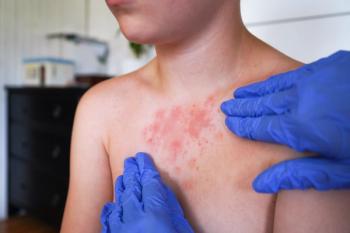
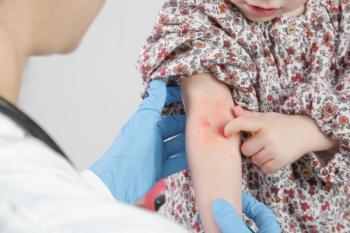
"We are seeing an increase in atopic dermatitis and irritation of the skin in relation to all those multi-step skincare routines that these young people are doing and following online," she said.
She explained that layering multiple cleansers, toners, exfoliants, and other active ingredients can increase the likelihood of contact dermatitis.
"So the teens are using like this multi-step skincare routines that are not necessarily helpful or necessary for their young skin... it actually increases the chance of contact dermatitis," Torga said.
Rather than focusing on complex routines, she said most adolescents benefit from a gentle cleanser, a non-comedogenic moisturizer, and sunscreen with SPF 30.
Beyond skin irritation, Torga said she is increasingly concerned about the psychological effects of social media-driven skincare culture.
"They're starting to coin this term, like cosmeticorexia, where young people are really affected," she said. "Young people are like obsessed with having clear skin."
She described seeing adolescents whose skincare routines consume hours each day.
"I will find out that they're not sleeping enough because they feel like they need to have 2- to 3-hour skincare routines that they have to do so early in the morning or late at night, and it's impacting their grades," Torga said.
She encouraged pediatricians to normalize common adolescent skin changes, including acne, while setting realistic expectations about treatment.
"When we're giving our guidance as pediatricians, we are always explaining that it may not be as magical as it seems on social media because a lot of the treatments that we prescribe would usually take weeks to months to have an effect," she said.
Torga highlighted the American Academy of Pediatrics' "5 Cs of Media Use" as a framework for conversations about digital media. Rather than focusing only on screen time, she said clinicians should ask about the content adolescents consume, how it affects their emotions, whether it displaces important activities such as sleep, and how families discuss media use at home.
She believes these discussions can help pediatricians identify misinformation before it influences treatment decisions.
Torga said many patients can be managed in primary care, but certain situations warrant specialty referral.
"Anyone who's experiencing contact dermatitis that is not getting better with just discontinuing the skincare routine would benefit from referral for a dermatologist and potentially an allergist for... patch testing," she said.
She also recommended referral for adolescents with moderate to severe acne, acne scarring, or psychological distress related to their skin.
"When it's moderate to severe acne, and they start to have acne scarring... referral to dermatology is pretty much warranted immediately," Torga said. "Also, if they're experiencing psychological distress and it's really impacting the quality of life. Referral to a dermatologist is also very helpful."