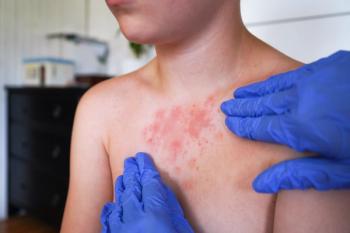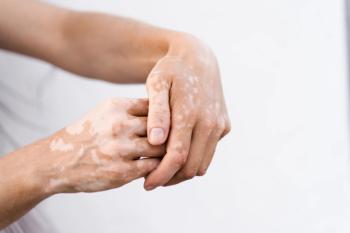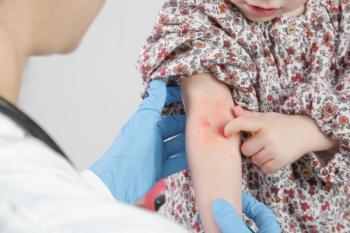
At AAP 2026, Peter Lio, MD, discussed distinguishing allergic and inflammatory skin conditions and when pediatricians should seek specialty care.
A systematic review found chronic pediatric skin disorders are consistently associated with psychological distress, reduced quality of life, and caregiver burden.
Children and adolescents with chronic skin disorders experience substantial psychological distress and impaired quality of life that extends beyond their physical symptoms, according to a systematic review published in Frontiers in Pediatrics. The findings suggest pediatricians should consider routine psychosocial assessment alongside management of chronic dermatologic disease.1
The review synthesized evidence from 41 studies published between 2010 and 2025 evaluating psychological outcomes and HRQoL among children and adolescents with chronic skin conditions. Investigators identified 1,844 records across multiple databases before including studies involving conditions such as atopic dermatitis, psoriasis, vitiligo, alopecia areata, hidradenitis suppurativa, congenital ichthyosis, and other chronic dermatologic disorders.
The investigators conducted the review according to PRISMA 2020 guidelines,2 searching PubMed/MEDLINE, Scopus, Web of Science, PsycINFO, the Cochrane Library, and Embase for studies published between 2010 and 2025. Eligible studies included participants aged 18 years or younger with chronic dermatologic conditions that assessed psychological outcomes or HRQoL. Because of heterogeneity in study design and outcome measures, the authors performed a narrative synthesis rather than a meta-analysis.
Among the 41 included studies, approximately three-quarters were cross-sectional, while others used cohort, qualitative, case-control, psychometric validation, or experimental designs. Twelve studies were classified as high methodological quality, with sample sizes ranging from fewer than 10 participants to more than 11,000 children.
Across studies, chronic skin disorders were consistently associated with anxiety, depression, stigma, emotional distress, and impaired HRQoL. The review found that higher disease severity was frequently linked with worse psychological outcomes, particularly among children with atopic dermatitis. Longitudinal evidence also showed that severe atopic dermatitis was associated with nearly twice the risk of depressive and internalizing symptoms.
Sleep disturbance emerged as another important contributor to psychological burden, particularly in children with severe pruritus. Adolescents and girls appeared especially vulnerable, and visible skin lesions were repeatedly associated with stigma and emotional distress. HRQoL impairment commonly affected emotional functioning, peer relationships, school participation, and sleep.
The review also highlighted caregiver burden. Nineteen studies documented emotional distress, reduced quality of life, financial strain, and psychosocial stress among caregivers. Parents of children with atopic dermatitis frequently reported stress and sleep disruption, while caregivers of children with vitiligo and congenital ichthyosis experienced additional emotional and financial challenges.
The review identified several factors associated with poorer psychological outcomes. Greater disease severity, symptom burden, persistent pruritus, sleep disturbance, visible lesions, social stigma, female sex, larger body surface area involvement, and chronic disease course were all associated with increased psychological distress.
Conversely, family and peer support, effective disease control, adaptive coping strategies, and access to integrated dermatologic and psychological care were identified as potential protective factors. As the authors noted, "the studies suggest that severity, burden, disability, and social stigma of disease were associated with vulnerability to psychological distress, while family support, coping, and integrated care may mitigate adverse effects."
The authors concluded that chronic skin disorders should be viewed as conditions with multidimensional effects that extend beyond cutaneous manifestations. They wrote, "Findings highlight the multidimensional burden of pediatric chronic skin disease, where psychosocial distress often parallels physical symptom severity." They further concluded, "Chronic skin disorders are consistently associated with psychological distress and reduced HRQoL. Causal inferences cannot be drawn given cross-sectional designs; findings support routine psychosocial assessment and family-centered care to improve outcomes."
The authors acknowledged important limitations. Most included studies were cross-sectional, limiting causal inference. Additional limitations included heterogeneity in study designs and outcome measures, reliance on self-reported psychological assessments, and inclusion of only English-language, peer-reviewed publications. Despite these limitations, the consistency of findings across studies strengthens the evidence supporting integrated psychosocial care for children with chronic skin disorders.
References