A Truveta EHR study of more than 1.3 million infants found birth-dose hepatitis B vaccination fell from about 80% in 2022 to 65.6% by mid-2026.
Melissa Wallach, MD, FAAP, discusses measles preparedness, MMR vaccination strategies, and rebuilding vaccine confidence amid rising US cases.
The United States has lost its measles elimination status for the first time since 2000, marking a significant setback in efforts to prevent the spread of the highly contagious disease. The Pan American Health Organization determined that sustained measles transmission had continued for more than 12 months, ending a designation the country had maintained for more than 2 decades. According to the American Academy of Pediatrics (AAP), the United States reported 5,838 measles cases as of November 20, 2026, including 426 new cases in the preceding week. The resurgence underscores concerns about declining vaccination coverage and the need for pediatricians to remain vigilant in identifying and preventing measles transmission.
For pediatricians, the loss of elimination status presents new challenges in clinical preparedness, infection prevention, and vaccine communication. Many practicing clinicians have never encountered a measles case, making it increasingly important to recognize characteristic symptoms, implement appropriate isolation precautions, and coordinate with public health officials when cases are suspected. At the same time, practices have an opportunity to identify gaps in measles, mumps, and rubella (MMR) vaccination coverage, reinforce routine immunization recommendations, and educate families about the risks of infection and the effectiveness of vaccination.
In an interview with Contemporary Pediatrics, Melissa Wallach, MD, FAAP, pediatrician at Hackensack Meridian K. Hovnanian Children's Hospital at Jersey Shore University Medical Center and Vaccine Steering Committee co-lead for Hackensack Meridian Health, discussed what the loss of measles elimination status means for pediatric practice. Wallach outlined strategies for recognizing potential cases, strengthening vaccination efforts, and preparing clinical teams to prevent transmission. She also emphasized the importance of maintaining open, nonjudgmental conversations with families, addressing vaccine concerns through motivational interviewing, and rebuilding confidence in immunization as the United States works toward re-eliminating measles.
Melissa Wallach, MD, FAAP: With the United States losing its measles elimination status for the first time since 2000, how should pediatricians rethink measles risk in their communities and approach prevention during routine visits?
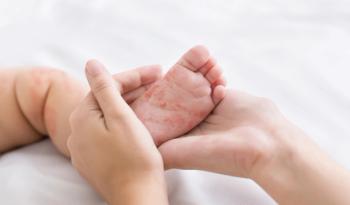
As of November 20, 2026, AAP News reported 426 new measles cases in the past week, bringing the total for this year to 5,838.¹ By comparison, the US averaged 179 cases per year from 2000, when it achieved measles elimination status, through 2024. Outbreaks are occurring in several states, including Pennsylvania. However, pediatricians everywhere in the US need to be prepared to see measles in their offices and should maintain a high index of suspicion when a patient who is unimmunized against measles presents with fever, cough, conjunctivitis, coryza, and rash.
Many practicing pediatricians, myself included, have only read about measles and have never seen a case in person. We need to study how it presents, how to diagnose and treat it, and how to protect our patients, families, and staff.²˒³
Measles is highly contagious. We need to educate families on the efficacy and safety of the measles, mumps, and rubella (MMR) vaccine and explain that the reason we did not need to worry about measles before was that the vaccine was so successful.
Practices also need to implement infection control and preparedness strategies. These include triaging phone calls so that patients with suspected measles do not enter the waiting room, masking patients aged 2 years and older, providing personal protective equipment for staff, and using airborne precautions. Use a negative-pressure room if one is available; if not, place the patient in a private room with the door closed, and do not use the room for 2 hours after the patient leaves.²˒³ Notify the local health department right away of any suspected case and ask for guidance on testing. Patients with presumptive measles need to isolate through 4 days after rash onset. Exposed contacts without evidence of immunity need to be quarantined from day 5 after the first exposure through day 21 after the last exposure.² It is also advisable to ensure that office staff are immune to measles.
Wallach: As the Centers for Disease Control and Prevention (CDC) works toward re-elimination, what immediate actions should pediatric practices take to identify vaccination gaps, improve MMR coverage, and recognize potential measles cases before transmission occurs?
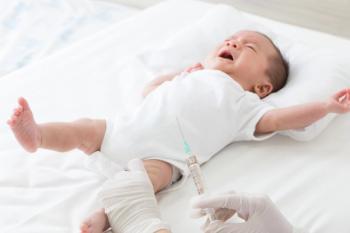
We need to vaccinate at every opportunity. Ideally, practices can proactively review charts and call in patients who are eligible for but have not yet received the MMR vaccine. The standard schedule is a first dose at age 12 to 15 months and a second dose at age 4 to 6 years.² In the US, both the MMR vaccine and the MMRV (measles, mumps, rubella, and varicella) vaccine are available. For infants aged 6 to 11 months who are traveling to endemic areas or living in an area with an outbreak, we can give an early, or "zero," dose of MMR vaccine. The CDC and the American Academy of Pediatrics support this dose for these at-risk patients.²˒⁴ These infants still require the 2 standard doses at ages 12 to 15 months and 4 to 6 years.
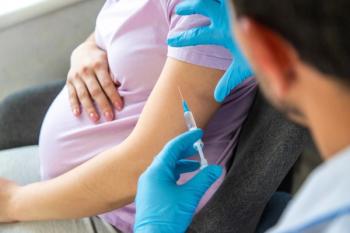
We also need to communicate with our obstetrician-gynecologist colleagues, because pregnant women who are not vaccinated and are exposed to measles have a higher chance of contracting it and passing it to their babies during pregnancy.⁵ Pregnancy is a state of relative immunosuppression, and pregnant women are at risk of more severe illness.⁵ Because the MMR vaccine is a live vaccine, it cannot be given during pregnancy. Therefore, the best strategy is prevention through vaccination before pregnancy and maintaining high vaccination coverage in the community. Pregnant women and neonates exposed to measles in utero are advised to receive postexposure prophylaxis with intravenous immune globulin.² The long-term effects of measles exposure during pregnancy need further study.⁵
Wallach: How can providers explain the significance of losing measles elimination status without creating unnecessary fear, while reinforcing the importance of vaccination and addressing questions or concerns from parents?
It is important to communicate this information to families without inducing unnecessary fear. The good news is that families still view pediatricians as trusted professionals who, like them, want to keep their children healthy and safe. Families listen to our counseling on growth, development, and the management of common childhood conditions such as otitis media, streptococcal pharyngitis, and asthma. We can build on that trust when we talk about vaccinations. We need to keep the dialogue open and nonconfrontational, provide education that is factual and easy to understand, ask open-ended questions, and truly listen to our patients' and families' questions and answers.⁶
Wallach: With declining vaccination rates contributing to the resurgence of measles, what communication strategies are most effective for reaching vaccine-hesitant families, and what can pediatricians do to encourage parents who have delayed or declined the MMR vaccine to reconsider?
Motivational interviewing is an effective communication strategy.⁶ I think it is important to ask patients and families, in a nonjudgmental way, why they are declining vaccines, and the MMR vaccine in particular, in light of the loss of our elimination status. Providing easy-to-understand facts about the risks of measles and the safety of the vaccine is essential. Sometimes we can debunk a myth with a simple explanation. Asking about the reasons for vaccine hesitancy opens the door to a conversation and an opportunity to educate families about something they did not know or misunderstood. More importantly, it improves the chance that they will vaccinate their child, either that day or soon after. Try to tailor the conversation to the family's personal and cultural beliefs, vaccine concerns, and literacy level. We need to remain optimistic that we can at least partially overcome vaccine hesitancy and health misinformation. Websites such as Immunize.org and AAP.org offer good resources on how to start these conversations.⁶
Editor’s Note: This transcript was edited for clarity and grammar.