

Researchers have found that maternal antenatal corticosteroid treatment can lead to increased risk of psychological developmental and neurosensory disorders in children.
Researchers have found that maternal antenatal corticosteroid treatment can lead to increased risk of psychological developmental and neurosensory disorders in children.

Investigators found that opioid use during pregnancy increases the relative risk of neonatal opioid withdrawal syndrome in newborns.

While further studies are needed to confirm the long-term effects, recent studies have shown the infliximab biosimilar to be a safe, effective, and cost reducing treatment for inflammatory bowel diseases.
Ibrutinib (IMBRUVICA; AbbVie) was approved by the US Food and Drug Administration for use in pediatric patients with chronic graft versus host disease.

The American Academy of Pediatrics has released a policy statement addressing sexual and gender-based harassment in pediatric workplaces and classrooms, and advises physicians on how to tackle these issues.

A recent review suggests that atomoxetine can reduce symptoms of anxiety in children and adolescents with ADHD.

A recent study showed no correlation between prenatal exposure to triptans and diagnosis or symptoms of ADHD in children.

The US Department of Health and Human Services has announced 3 key actions to strengthen health care for US children, including addressing the mental health crisis in youths.
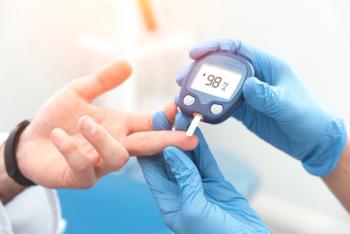
Data from the US Department of Health and Human Services has shown an increase in GDM rate from 2016 to 2020, with a greater increase observed from 2019 to 2020.

A phase 3 trial of dupilumab (Dupixent; Sanofi and Regeneron) has shown positive results for use in children aged 1 to 11 years afflicted with eosinophilic esophagitis.

After a recent FDA approval, Mirena can be used to prevent pregnancy for up to 8 years.

Research by Ben Katz, MD, and other investigators has brought new insight on chronic granulomatous disease to light.

The Hummingbird TTS will make ear procedures much less complicated and expensive, and it is now cleared for children aged 6 months and above.

A recent study showed reductions in preterm birth and admissions in neonatal intensive care units after individualized management in cases of preterm premature rupture of membranes.

Behavioral sleep stage classification methods were found to share categories among one another but have lacking evidence of validity and reliability.

Following its FDA approval, Zynteglo will be used to treat beta-thalassemia in adults and pediatric patients who require a regular red blood cell transfusion.

Children with atopic dermatitis will soon have more options for treatment, as clinical trials show promising results.

The American Academy of Pediatrics has outlined safety tips to keep children physically and emotionally healthy as they return to school this season.

In a recent study, researchers found that text message reminders led to increased influenza vaccination rates, along with many receiving the vaccine sooner.

A recent survey showed correlation between the severity of atopic dermatitis and the negative impacts on family life.

The American Academy of Pediatrics reminded parents of the importance of helmet use and encouraged helmet use discussion with their children.

Investigators have found that there are limited options for treating pediatric psoriasis.

Xofluza is now the first single-dose oral medication for influenza approved for children aged less than 12 years.

ASP treatment lowered the presence of sepsis risk factors in preterm infants.

Investigators found that symptoms of attention-deficit/hyperactivity disorder were more often seen in children with a lower birth weight.

Investigators compared the effects of midazolam, dexmedetomidine, and saline control on the appearance of perioperative respiratory adverse events in children.

Treatments for ADHD proved to be the most effective in reducing the risks of developing substance use disorders.

A study by the German Neonatal Network associated application of less invasive surfactant administration with fewer complications and lower mortality rates.

Many devices approved for pediatric use were not tested in a clinical trial involving children.

Only one-fifth of parents in a recent survey indicated intentions of getting their child the vaccine within 3 months of eligibility.