
Review some of the top stories from the Contemporary Pediatrics website over the last week, and catch up on anything you may have missed.
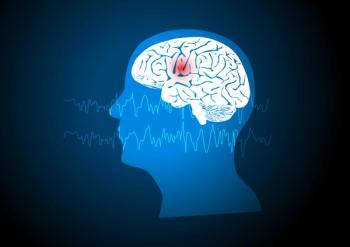
Jon Matthew Farber, MD, shares his thoughts on the use of noninvasive brain stimulation for ADHD.
The therapeutic value of noninvasive brain stimulation (NIBS) in attention-deficit/hyperactivity disorder (ADHD) cannot yet be determined, according to a review of 59 studies, including 33 randomized controlled studies on which investigators performed a meta-analysis of therapeutic efficacy. The trials, which involved 1657 individuals with ADHD, addressed 6 different NIBS techniques: repetitive transcranial magnetic stimulation (rTMS), transcranial pulse stimulation, external trigeminal nerve stimulation, transcranial direct current stimulation (tDCS), transcranial alternating current stimulation, and transcranial random noise stimulation.
A meta-analysis showed that rTMS reduces hyperactivity/impulsivity symptoms and improves attention-related functions, thereby alleviating inattention symptoms. tDCS reduces hyperactivity/impulsivity symptoms and improves inhibitory control. When tDCS is positioned over the left dorsolateral prefrontal cortex and right orbitofrontal cortex, inhibitory control improves significantly.
Given these results, and the finding that NIBS is well tolerated, investigators concluded that though NIBS shows promise for treating ADHD, more data are needed.
These are not great studies, but NIBS does seem safe and possibly beneficial, although these techniques have been around for a while without solid evidence of their effectiveness or how long the effects last. If a family has many thousands of dollars to spend and wishes to try NIBS, I am not opposed to it; otherwise, I think the money could be better spent elsewhere.