

The Healthy, Hunger-Free Kids Act of 2010 was supposed to improve the dietary quality of the school lunch. An investigation may be able to finally provide an answer.
Ms. Hester is Content Specialist with Contemporary OB/GYN and Contemporary Pediatrics.
The Healthy, Hunger-Free Kids Act of 2010 was supposed to improve the dietary quality of the school lunch. An investigation may be able to finally provide an answer.

Neurocognitive development is rapid in early childhood. An investigation looks at whether the eye can provide some information on potential issues.

Fluoridation programs have been used for years to protect the public’s teeth. A report examines how well the programs protect a child’s first set of teeth from severe dental caries.

It’s not only professional sports leagues returning to the playing field. The American Academy of Pediatrics (AAP) has issued interim guidance to keep young athletes safe from COVID-19.
Immunizations during pregnancy are common and meant to provide protection during the early months of life. A literature review looks at whether the practice influences other early health outcomes.

Early warning scores have been shown to be helpful at determining children at risk of clinical deterioration. A report looks at whether an emergency department version of these scores could be effective.
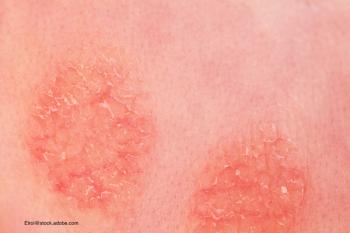
Atopic dermatitis treatment has dramatically changed over the years. Here’s a look at the current options.
Gestational age is a major factor in neonatal death. A study examines if the effect of both gestational age and A new study shows that Apgar scores are able to forecast preterm infant mortality on on the risk of death.
Vision problems can negatively impact learning and should be found as soon as possible. A report examines whether in-school exams could help.

Contemporary Pediatrics sat down with Andrew Schuman, MD, to talk about how technology can help slow the spread of COVID-19.

Routine vaccination for meningococcal disease has been recommended since 2005. A study looks at whether the recommendation has reduced the incidence of disease.
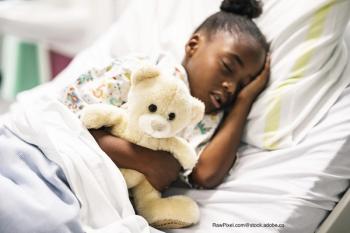
Racial disparities persist in health care. A report examines the impact of these disparities on postsurgery outcomes.
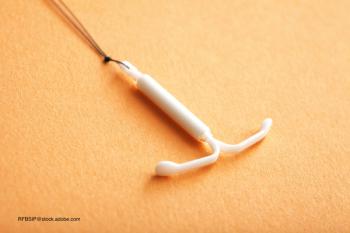
The American Academy of Pediatrics has issued a report urging greater access to long-acting reversible contraceptives (LARCs) for teenagers.

The American Academy of Pediatrics (AAP) has released interim guidance for multisystem inflammatory syndrome in children (MIS-C).

The 2017 guideline update represented a paradigm shift in tackling peanut allergies. An investigation takes a look at how well pediatricians have implemented the change.

Warmer weather means more time outside and the risk of a mosquito or tick bite. A poll examines how parents try to keep their children safe.

The factors tied to cardiometabolic risk factors and adiposity are myriad. A report examines whether following guidelines can help reduce the risks.
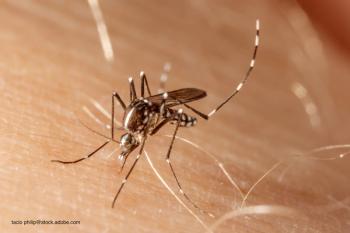
Parents of newborns who had been exposed to Zika virus in utero may have breathed a sigh of relief when their child was born with normocephaly. An investigation finds that adverse outcomes occurred even in children with normal head size.

Severe iodine deficiency in pregnancy has been linked to intellectual disabilities in offspring. An investigation studies whether the same is true for mild-to-moderate deficiency.
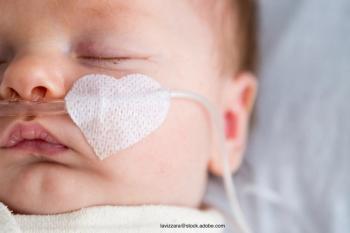
Standard care for home oxygen therapy to treat preterm infants uses clinic visits to determine when the child can be weaned. A report considers whether assessing recorded home oximetry data could change this.

The opioid epidemic led many state policies to reduce opioid use. A report looks at the impact of these policies on opioid poisonings.

An investigation examines whether the length of a magnetic resonance imaging (MRI) scan can predict anesthesia exposure.

Social distancing and refraining from hoarding behavior have been common social behaviors since the beginning of the pandemic. A report examines how teenagers are engaging in these pandemic-related behaviors.

The jury has been out on whether long-term outcomes have improved for children with heterotaxy syndrome. A new investigation offers some answers.

Sleep is a teenager’s best friend, but so many things can reduce the helpfulness. A new investigation looks into the impact of outside artificial light on adolescent sleep health.
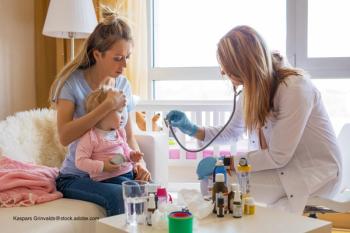
Home nursing after hospitalization helps medically complex children get needed care in a safe environment. A reports looks at how variable it can be in different states.

Newborn nurseries are supposed to run a car seat tolerance screening before discharging any infant born prematurely. An investigation examines how well nurseries follow this recommendation.

Scheduled follow-up following hospitalization for bronchiolitis is typical care, but a new report questions whether as-needed care can be just as effective.

Overweight and obesity issues have been suspected of increasing cardiometabolic risk in children. A new study investigates.

Clinicians may still use urine nucleic-acid amplification tests, despite the recommendation to use a more sensitive vaginal swab to test for Chlamydia trachomatis. A report looks at whether a quality improvement program could change that.