

The US Food and Drug Administration recently outlined the risks and symptoms of Cronobacter infection in young infants, and how to reduce risk of infection.
The US Food and Drug Administration recently outlined the risks and symptoms of Cronobacter infection in young infants, and how to reduce risk of infection.
The FDA had recently advised parents and caregivers to not buy or give Mother’s Touch Formula to infants.
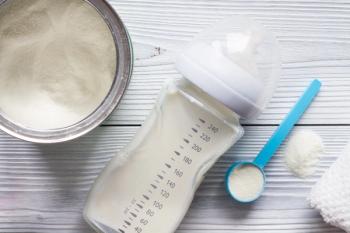
The United States Food and Drug Administration (FDA) has approved the import of over 66 million servings of infant formula from Singapore, focusing on supply for vulnerable consumers.

A look at what the Contemporary Pediatrics® team covered this week.
The AAP sent 2 letters to federal officials urging for immediate action to increase the supply of safe formula in the United States.
A look at what the Contemporary Pediatrics® team covered this week.

The proposed aid bill would give the FDA funds to increase staff and prepare for future infant formula shortages.
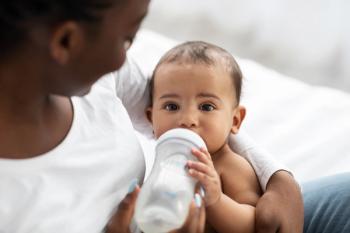
This week, the agency announced it is encouraging importation of infant formula from usually unutilized foreign means in hopes of increasing access to the product in the wake of the country-wide shortage.
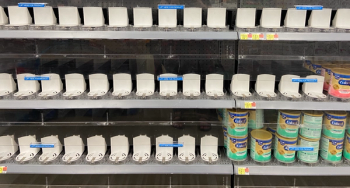
Parents are on edge as the formula shortage worsens across the United States. Pediatricians, the AAP, and White House advise on available options.

At the 2022 American College of Obstetricians and Gynecologists Annual Clinical & Scientific Meeting, 4 health care professionals spoke of disease states in both women and children caused by climate change, and what HCPs can do to mitigate this crisis.
A look at what pediatricians need to know right now about food allergies, including the latest allergen to watch out for.
A history of intestinal injury can create some feeding challenges for infants. Here are some of the causes, feeding guidelines, and approaches to feeding difficulties to use in practice.
Using vegan, plant-based, and vegetarian formulas isn't as easy as an adult choosing to have such a diet and making that choice for an infant can carry consequences.
Parents may be turning to formula made in the home or imported from Europe to help with their child's food allergies, but there are a number of concerns.
At the virtual 2021 American Academy of Pediatrics National Conference & Exhibition, Vivian Hernandez-Trujillo, MD, FAAP, FAAAAI, FACAAI, division director, Allergy and Immunology, and fellowship training program director, Allergy and Immunology at Nicklaus Children’s Hospital in Miami, Florida presents a session on best practices for preventing food allergies in newborns and infants.
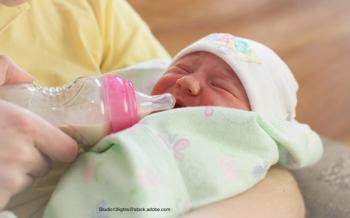
Early exposure to peanuts has been shown to reduce the risk of peanut allergy. Is the same true with cow's milk?
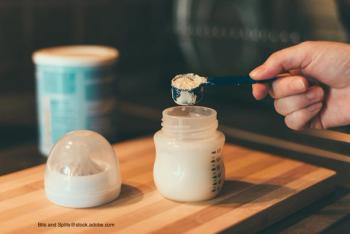
For infants with milk allergies, finding a formula that won't cause a reaction is key to happy feeding times. Parents face a dizzying array of options. Here's a look at them.
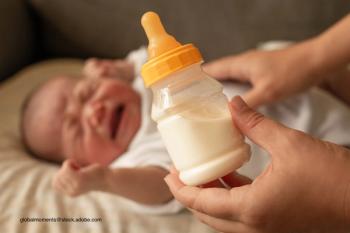
Distinguishing the difference between the 2 can be a challenge with cow’s milk and the interchangeable use for both terms can increase the challenge too.
Although it's one of the most common food allergies, the diagnosis of cow's milk allergies isn't always easy.

When a child cannot tolerate cow's milk, the choice of formula should be informed by the condition that precludes the child from consuming cow's milk or breast milk. Here are 4 specialty formula types.
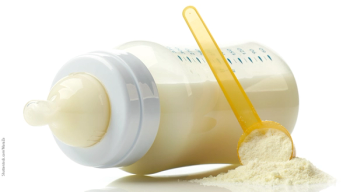
Breast milk is best, but for those babies who won’t or don’t breastfeed there are formula alternatives. Here’s a primer on infant formulas and how to decide which option is appropriate for the individual child.
Emerging evidence reveals that earlier introduction of highly allergenic foods into infants’ diets may actually lead to immune tolerance. Here’s what you should know.