


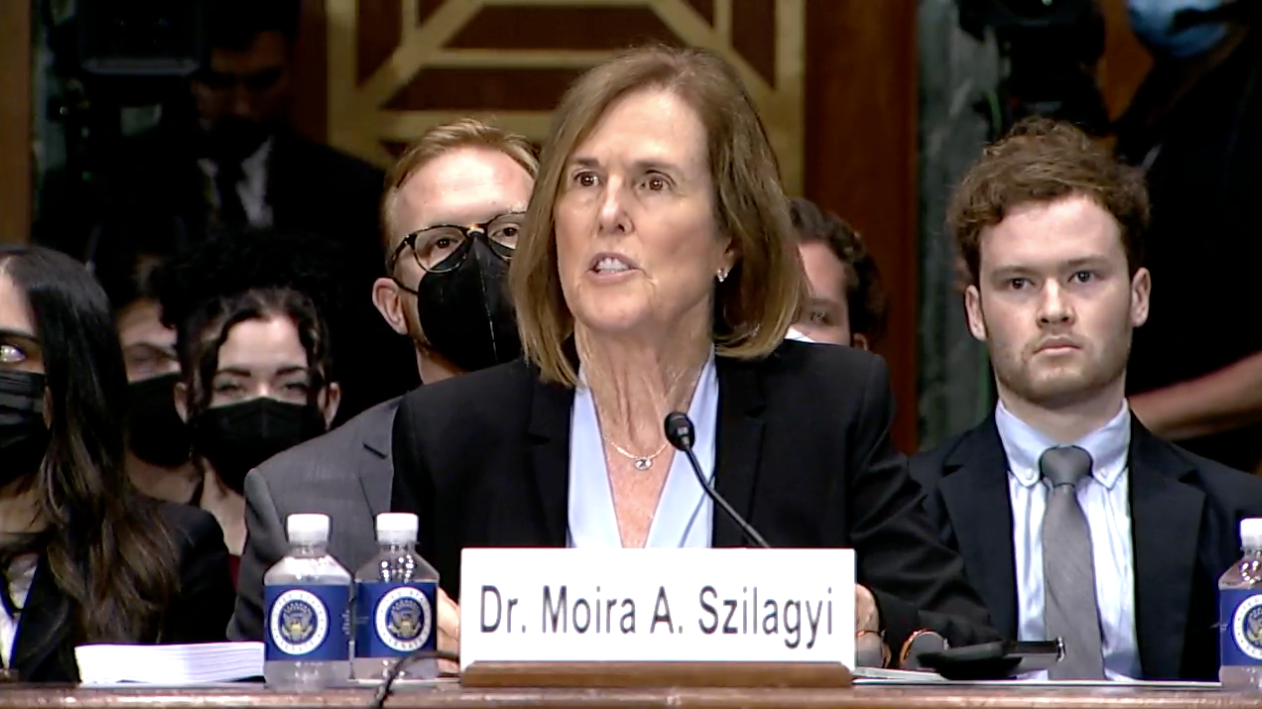




When helping patients in the hardest moments of their lives, it is important to have empathy for them—and for ourselves.
When helping patients in the hardest moments of their lives, it is important to have empathy for them—and for ourselves.

The long-term impact of COVID-19 on mental health may not be known for years, but right now it's vital to assess mental health in teenagers to help them get the help they may require.

Adolescent oral contraceptive use is associated with a small yet meaningful increased risk of experiencing an episode of major depressive disorder (MDD) in early adulthood, especially among women with no history of MDD in adolescence.

Family health history can serve as a warning for a patient’s current physical health issues. A report indicates that it may also be helpful with mental health issues.

A literature review examines the effectiveness of a number of interventions meant to target self-harm and suicidality.

An investigation examines whether using a brief behavior therapy program could be a highly effective way to treat anxiety and depression in pediatric patients.

A poll of parents examines whether utilizing peer support could be an effective way to help teenagers discuss mental health issues.

A presentation at the virtual 2020 American Academy of Pediatrics National Conference & Exhibition reminded practitioners of the 3 guiding principles of psychopharmacology.

Suicide is on the rise among children and teenagers. Access to mental health care isn’t always as accessible in rural areas as it is in urban centers. Are pediatric patients in these regions lacking much-needed suicide prevention services?

Traumatic stress can be difficult to diagnose. A presentation at the 2020 virtual American Academy of Pediatrics National Conference & Exhibition offers insight on how to effectively find the diagnosis.

The mental health of immediate family members can have an impact on the remaining family. A recent report offers insight on how maternal depression impacts a child’s development.

The total psychological toll of the COVID-19 pandemic may not be known for years, but a report sheds some light on how it’s impacted the families of hourly employees in some of the industries hardest hit by the lock-downs.

A recent report followed thousands of siblings to see if genetics or environment played a greater role in depression development in high-risk children.

Postpartum depression has a number of profound effects. A new study indicates that postpartum depression could increase the risk of atopic dermatitis, especially at ages 5 and 9 years.

As the rate of suicide climbs, the ability to access shows like 13 Reasons Why without parental supervision grows, and social media pushes an impossible quest for perfection, it has become more important than ever for parents, caregivers, and educators to have a good understanding of what depression is and what the signs are.

Patients with diabetes have an increased risk of developing depression. A new study in Pediatric Diabetes, however, takes this one step further, suggesting that depressive symptoms among youths with diabetes varies by diabetes type.

For many of us in pediatrics, depression and other related diagnoses can present a challenge. Our counterparts who treat adults see and treat depression more often and are often more comfortable with both diagnosis and treatment. It's time to work on this.

Pediatricians are the ideal first-line providers to help identify, refer, and support new mothers affected by postpartum depression.

Clinically significant depression can occur in children aged as young as 3 years. Here’s how to recognize the symptoms and identify risk factors in your young patients.

A new study in JAMA Psychiatry provides another reason to recommend long-acting reversible contraceptives to adolescent female patients: oral contraceptives may increase the risk of depression.

Fast food is a common element of many teenagers’ diets. This ubiquitous nature has frustrated pediatric providers fighting the tide of pediatric obesity, but a new small study from University of Alabama at Birmingham researchers indicates that another negative consequence could be an increased risk of depression.

This month’s quiz will test your knowledge of key diagnostic points in the screening process for depression in primary care. You’ll test your knowledge on 5 key points. Each point gives you context for the correct answer-and, most importantly, provides valuable resources.