

Urine F2-isoprostanes were associated with more severe viral respiratory illness in infants across 2 independent cohorts.
Urine F2-isoprostanes were associated with more severe viral respiratory illness in infants across 2 independent cohorts.

Existing maternal cardiac risk models showed poor prediction of neonatal complications in pregnancies complicated by congenital heart disease.

Don Arnold, MD, MPH, highlights how a nurse-driven guideline reduced time to phototherapy in neonatal jaundice care.

Raising pediatric flu vaccination to 70% could significantly reduce outpatient visits, hospitalizations, and deaths, easing strain on US systems.

Pilot study finds maternal dairy intake associated with lower levels of select human milk lipids, with unclear implications for infant health.

Data presented at PAS 2026 show that specific neighborhood factors—not overall scores—drive asthma outcomes, pointing to targeted interventions for reducing ED visits.

Autism diagnoses by primary care providers vary widely by region and state, highlighting disparities in access to specialty care.
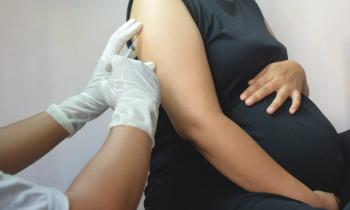
Maternal RSV vaccination and nirsevimab were linked to lower infection rates and reduced severity in infants younger than 6 months.

Large trial finds balanced fluids and saline yield similar outcomes in pediatric septic shock, reinforcing flexible resuscitation practices.

MMR coverage remained below herd immunity 20 months after an Ohio outbreak, with minimal gains and persistent disparities in children.

Watch some of our top clips from a number of discussions with experts who presented at PAS 2025.

In this article, we recap our top stories, expert interviews, and Q+A discussions from the 2025 Pediatric Academic Societies meeting.

Lea Widdice, MD, details her recent presentation at PAS 2025 on OTC STI testing within pediatrics.

A PAS 2025 study by Mazar and Westmoreland shows Zika virus can eliminate both local and distant tumors in neuroblastoma mouse models.

New research led by Geetika Kennady, MD, FAAP, showed that 10.6% of newborns have iron deficiency, supporting a push for earlier screening.

"We've updated our internal clinical pathways to recommend 5 days for kids hospitalized with uncomplicated pneumonia," Cotter noted.

At PAS 2025, Jesse Hinckley, MD, PhD, presented data showing cannabis use sharply increases odds of depression and suicidal behavior in youth.

New model refines prevalence estimates, reduces misdiagnoses compared to the current coding system.

A recent study found reduced preterm birth, complications, and NICU use in large Tennessee Medicaid cohort.

Jennifer Nestor, MD, evaluated a digital stethoscope to validate pediatric breath sound recordings for potential machine learning algorithm development.

Study finds education from multiple sources increases parent inquiry about firearms.

New data from national survey highlights disparities and need for focused prevention strategies.
In addition, data presented at PAS revealed a predictable pharmacokinetic profile in the newborn population, consistent with adult humans.

Shorter antibiotic courses for AOM and CAP in children proved effective across a pediatric health system, according to data presented by Elysha Pifko, MD.

Early antibiotic use before age 2 is linked to higher childhood obesity risk, with timing playing a key role in long-term weight outcomes.

Courtney Nelson, MD, highlights the session she presented at the PAS annual meeting discussing racial and ethnic disparities for influenza vaccine delivery.

Investigators aimed to assess effectiveness of early and continuous enrichment intervention on motor, cognitive, and functional skills in infants with CP.

According to new study data presented at the 2024 Pediatric Academic Societies Meeting, dupilumab (dupixent; Sanofi and Regeneron) demonstrated positive safety and efficacy results for up to 1 year in infants and preschool-age children with atopic dermatitis.
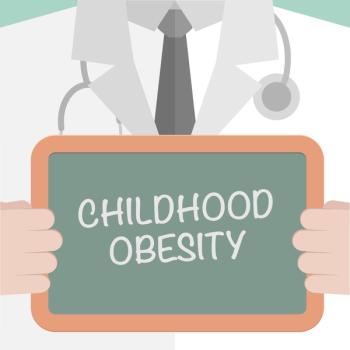
Across all age groups, obesity rates increased during the pandemic and decreased in the post-pandemic period (P < 0.01).

A poster session evaluated early evidence from the randomized controlled iREACH trial.