

Real-world claims show dupilumab was tied to a 33%-52% lower risk of atopic march progression vs systemic corticosteroids in children with AD.
Real-world claims show dupilumab was tied to a 33%-52% lower risk of atopic march progression vs systemic corticosteroids in children with AD.
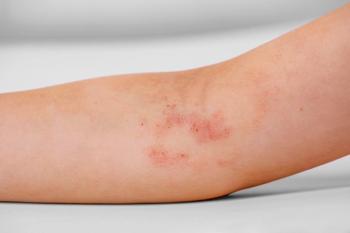
Once-daily roflumilast cream 0.05% was well tolerated in infants 3 to <24 months with AD, with 34.4% reaching vIGA-AD success at week 4.

Oral icotrokinra kept PASI 90 rates at ≥72% and IGA 0/1 at ≥70% from week 64 to 112 in ICONIC-LEAD, with no new safety signals.

Diana F. Clarke, PharmD, explains how IMPAACT 2023 supported dolutegravir from birth, plus dosing tips and open questions for preterm infants.

At AAP 2026, Justin Wheeler, MD, discussed bowel cleanouts, maintenance therapy, and behavioral strategies for managing constipation in children.
Justin Wheeler, MD, explains how pediatricians can identify constipation across age groups and distinguish overflow incontinence from diarrhea.

Nichole Tyson, MD, outlines how pediatricians can evaluate menstrual concerns, identify red flags, and determine when specialty care is needed.

At AAP 2026, Stephen Bondi, JD, MD, FAAP, outlined steps pediatricians should take after receiving notice of a malpractice claim.

Maternal high egg and peanut intake in pregnancy and lactation did not lower infant IgE-mediated egg or peanut allergy at 1 year in PrEggNut.
Stephen Bondi, JD, MD, FAAP, discusses pediatric malpractice risks and the importance of relationships and communication when adverse events occur.

At AAP 2026, Peter Lio, MD, discussed distinguishing allergic and inflammatory skin conditions and when pediatricians should seek specialty care.

In national emergency department data from 2005 to 2024, fractures were the most common pediatric e-bike injury, and e-bikes had the second-highest admission rate.

An updated AAP policy statement renews the call to ban raw milk sales, citing pathogen risks to children and pregnant people and an emerging H5N1 concern.

A joinpoint analysis of 1991 to 2021 YRBSS data found suicidal ideation among US high school students declined through 2009, then increased through 2021.

Mark R. Corkins, MD, CNSC, FASPEN, AGAF, FAAP, reviews where pediatric probiotic evidence is strongest, why product quality varies, and which children should avoid them.

At AAP 2026, Carmen Tong, DO, discussed evaluating pediatric urinary symptoms and why behavioral strategies often come before medication.

A clinician-reported misinformation tracker at Children's Hospital of Philadelphia found vaccines accounted for 53.8% of 234 entries and informed education on 28 topics.

In a cross-sectional study of 48,118 pediatric primary care encounters, e-cigarette-only household exposure was associated with more asthma flares and activity-related symptoms.

Brittany S. Bruggeman, MD, reviews teplizumab (Tzield), islet autoantibody screening, and automated insulin delivery, and how pediatricians can help families.

Latine and Spanish-speaking patients had the largest increases in pediatric no-show and cancellation rates after Operation Midway Blitz, a Chicago-area immigration enforcement operation.

Sean T. O'Leary, MD, MPH, outlines 2026-2027 AAP influenza, COVID-19, and RSV guidance.

In a multi-institutional cohort of 84 patients 21 years or younger with sporadic colorectal cancer, 67 presented with stage III or IV disease and 45.2% died of CRC.

At AAP 2026, Rana Hamdy, MD, discussed when to test children for group A strep, antibiotic selection, and strategies to improve prescribing.

Bianca Edison, MD, MS, FAAP, FAMSSM, explains why e-bike injuries were more severe than e-scooter injuries and how pediatricians can open safety conversations.
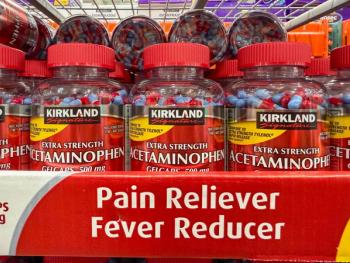
Only 21.5% of 65 health institutions posted on Instagram in response to claims linking prenatal acetaminophen use with autism.

E-bike and e-scooter injuries nearly quadrupled from 2019 to 2025 at a pediatric hospital, with e-bike injuries associated with greater severity.

TikTok misinformation about prenatal acetaminophen and autism represented 28.3% of analyzed videos but generated more than half of total views.

Review some of the top stories from the Contemporary Pediatrics website over the last week, and catch up on anything you may have missed.

Pediatric psychologist Jeff Temple, PhD, explains how pediatricians can help families establish healthy routines and more intentional screen use.

Interim trial findings suggest osteopathic manipulative treatment is feasible and well-tolerated in infants with positional plagiocephaly.