

“Getting outside and enjoying the fresh air can do wonders for your health while also upping Vitamin D absorption, said Jessica McQuerry, MD, lead study author of an abstract presented at the 2024 AAP National Conference & Exhibition.
“Getting outside and enjoying the fresh air can do wonders for your health while also upping Vitamin D absorption, said Jessica McQuerry, MD, lead study author of an abstract presented at the 2024 AAP National Conference & Exhibition.

The study points to areas where response efforts can be enhanced, particularly in the identification of opioid poisonings in infants and young children.

“The significant rise in heat-related illnesses over the past decade underscores a growing public health concern that warrants further attention and action, said Taylor Merritt, MD, of the data presented at the AAP National Conference & Exhibition.

“Our study highlights the widespread nature of period poverty and the need for broad actions," said co-senior study author Meleah Boyle, PhD MPH at the 2024 AAP National Conference & Exhibition.
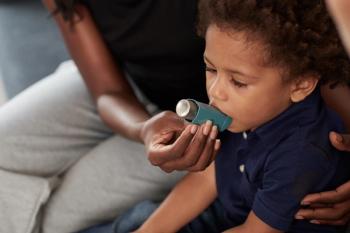
Infants were 22% less likely to develop asthma in early childhood if there were only fed breast milk during birth hospitalization, per a study presented at the 2024 AAP National Conference & Exhibition.

Our editor-in-chief Tina Tan, MD, FAAP, FIDSA, FPIDS, previews some of the American Academy of Pediatrics National Conference & Exhibition, taking place right now in Orlando, Florida.

A study presented at the AAP 2024 National Conference & Exhibition finds Black infants are 40% more likely to die from congenital heart disease than White infants, highlighting persistent racial health disparities.

In a recent global review, significant annual increases in the mean term birthweight were reported, indicating worldwide public health impacts.

Eric Simpson, MD, MCR, FAAD, lead author of a recently-published article highlighting roflumilast cream 0.15%, joined us for a Q+A interview.

In a recent study, infants of mothers with an influenza infection during pregnancy were significantly more likely to experience febrile seizures, but not epilepsy.
The needle-free option to treat type 1 allergic reactions, including anaphylaxis, was approved for adults and children who weigh 66 lbs or more on August 9, 2024.

With this acceptance, the federal agency has assigned a PDUFA date of May 22, 2025 for roflumilast foam (Zoryve) 0.3%.

In her September 2024 article, Donna Hallas, PhD, PPCNP-BC, CPNP, PMHS, FAANP, FAAN, highlights the potential of digital health tools to improve care for pediatric mental health, obesity, and medically complex conditions.

Get caught up with our journal! Review some of the top stories from the Contemporary Pediatrics website over the last week, and catch up on anything you may have missed.

Andrew Dauber, MD, MMSc, of Children's National Hospital joined us to discuss potential advantages of LUM-201 as it goes through the clinical pipeline.

With this approval, FluMist becomes the first vaccine to prevent influenza that does not need to be administered by a health care provider.
The approval is indicated for adults and children aged 2 years and older, making arimoclomol (Miplyffa) the first drug approved by the FDA to treat NPC.

Those with inpatient food insecurity had an increased length of stay, as well as increased odds of readmission.

In this analysis, the differences in adverse events resulting from JAKi among adults and children were evaluated.
Infigratinib has also received Orphan Drug Designation, Fast Track Designation, and Rare Pediatric Disease Designation from the FDA.

Investigators found the association for higher BMI, increased obesity risk, and increased severe obesity risk.

Preadolescent sleep disturbances were linked to an increased risk of suicidal thoughts and behaviors in early adolescence, highlighting sleep as a key intervention target.

First-generation antihistamine prescriptions were linked to a 22% higher seizure risk in young children, especially those aged 6 to 24 months, according to recent findings.

According to findings, more consideration for individual differences in adverse experiences is needed for targeted interventions.

A pediatrician's guide to the new baby food safety regulations from Tanya Altmann, MD, FAAP.
Get caught up with our journal! Review some of the top stories from the Contemporary Pediatrics website over the last week, and catch up on anything you may have missed.
The landmark indication is supported by a couple of pivotal trials assessing dupilumab for patients with chronic rhinosinusitis with nasal polyps, as well as a pediatric severe asthma trial assessing the biologic.
The indication is supported by trial data showing three-fourths of successfully treated patients maintained clear skin through 1 year of a lebrikizumab regimen.
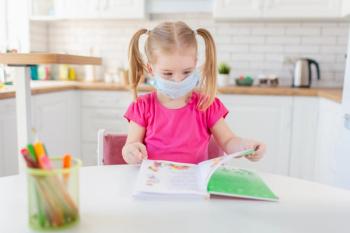
A new study suggests an early AI-powered algorithm could help accurately identify common movements exhibited by children with autism spectrum disorder.

The CDC committee has set new recommendations based on children's age, vaccination status, and overall immunity health, for the 2024 - 2025 period.