

Review some of the top stories from the Contemporary Pediatrics website over the last week, and catch up on anything you may have missed.
Review some of the top stories from the Contemporary Pediatrics website over the last week, and catch up on anything you may have missed.

A new report examined the challenges of diabetes management during the school years from the perspective of the daily social and institutional challenges children face.

The FDA inspected each company’s facilities, in which the agency issued inspectional observations and exercised oversight of each firm as recalls were initiated in December 2022, February 2023, and March 2023, respectively, for the removal of products potentially contaminated with Cronobacter sakazakii from the marketplace.

From a virus that had no treatment options, to one that may be prevented in two different modalities, clinicians are hoping to see a reduction in respiratory syncytial virus (RSV) incidence rates, starting this fall.

According to a recent Morbidity and Mortality Weekly Report, the original COVID-19 monovalent and bivalent vaccines helped reduce emergency department or urgent care encounters for children aged 6 months to 5 years.

Some had concerns about the future of the industry, with 29% rating it either extremely or very threatened, and 44% rating it as somewhat threatened.

This new data suggests substantial effects of socio-economic factors in the early stages of a child’s life and their impact on health equity for pediatric asthma.

Patients 6 years and up with ADHD now have alternate options for prescription lisdexamfetamine dimesylate (Vyvanse; Takeda Pharmaceuticals USA Inc), after the FDA-approval of multiple generic options.

In a recent study, improved neurodevelopmental outcomes were seen in children aged 2 years whose mothers received a Mediterranean diet or mindfulness-based stress reduction intervention during pregnancy.

Rob Knight, PhD, Wolfe Endowed Chair in Microbiome Science at Rady Children's Hospital-San Diego, professor of pediatrics, UCSD, explains how links between gut microbiomes and cognitive and neurological conditions are being researched and what could be ahead for these associations in children.

Donna Hallas PhD, PPCNP-BC, CPNP, PMHS, FAANP, FAAN, reflects on an article about wildfire inhalation and children, published in our August 2023 issue, and provides pediatric nurse practitioners some tips if they encounter these types of cases.
Review some of the top stories from the Contemporary Pediatrics website over the last week, and catch up on anything you may have missed.

Across a variety of concerns, the overuse of devices and screen time was the top concern for parents listed in the 2023 Top 10 Child Health Concerns for Parents, released by the C.S. Mott Children’s Hospital National poll on Children’s Health.

Investigators of a study published in Pediatrics examined whether a 30-minute exposure to outdoor air (< 50 °F) would improve symptoms of mild to moderate croup.

In 2021, firearm deaths continued to be the leading cause of death for US children, with further worsening disparities noticed, according to a study published in Pediatrics.
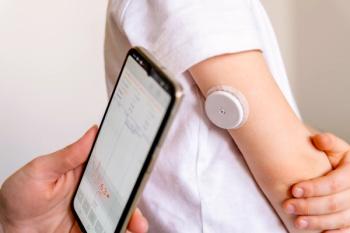
A new report reviewed how effective the use of continuous glucose monitors (CGM) was over the course of a year.

Study authors concluded that developmental delay domains should be separately considered when discussing screen time and potential delays in childhood development.

This new data is consistent with previous results on efficacy and on safety shown in global phase 3 studies that had enrolled both adults and adolescents.

In this Contemporary Pediatrics® interview, Tammy Brady, MD, PhD, explains how an incorrectly-fitting blood pressure cuff can lead to the wrong diagnosis in the pediatric population, and what tips to look for when shopping for cuffs currently on the market.

Tina Tan, MD, FAAP, FIDSA, FPIDS, discusses what Pfizer's recently FDA-approved RSV vaccine means for infants ahead of the traditional RSV season.

Approved for use at 32 weeks through 36 weeks gestation, Pfizer’s maternal respiratory syncytial vaccine (Abrysvo), is delivered through a single dose injection to the muscle, and is the first vaccine for use in pregnant individuals to prevent lower respiratory tract disease (LRTD) and severe LRTD because of RSV in infants (birth to 6 months).

Recently published data of bezlotoxumab dosing and safety in children with C diff was basis for expanding approval from just adults to as young as 1 years old.
Review some of the top stories from the Contemporary Pediatrics website over the last week, and catch up on anything you may have missed.
Regeneron states all 10 patients achieved normalization of serum albumin and serum IgG concentrations by week 12 in a phase 2/3 trial that investigated the safety and efficacy of pozelimab-bbfg. These concentrations were maintained through 72 weeks.

Children followed up with at 5 years of age that were exposed to the COVID-19 pandemic were 4.39 months behind in overall childhood development, whereas children followed up with at 3 years of age demonstrated positive associations.

Previous studies have suggested that nighttime blood sugar fluctuations are a real problem—and a serious concern—for children with T1D and their parents.
Palovarotene is now the first and only treatment for the ultra-rare bone disease fibrodysplasia ossificans progressive (FOP), which impacts approximately 400 people in the United States and 900 globally.
Watch as Rob Knight, PhD, Wolfe Endowed Chair in Microbiome Science at Rady Children's Hospital-San Diego, professor of pediatrics, UCSD, talks the gut microbiome and the potential associations with cognitive and neurological conditions in children, and why the topic is gaining interest and momentum.

Investigators concluded that clinicians should be aware, for individuals with a prior rotavirus-associated hospitalization, of an elevated susceptibility to autoimmune disease in these patients.

A new analysis suggests pseudomyopia was an independent risk factor for myopia development among school-aged children in China.