

In a recent study, racial minorities of an older age with non-classic cutaneous manifestations were more often to present with juvenile idiopathic inflammatory myopathies after COVID-19 infection.
In a recent study, racial minorities of an older age with non-classic cutaneous manifestations were more often to present with juvenile idiopathic inflammatory myopathies after COVID-19 infection.
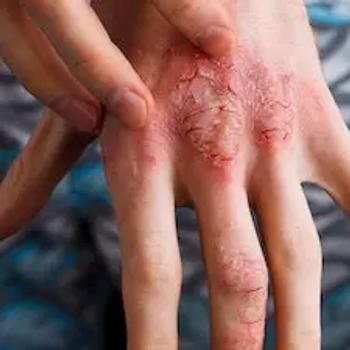
New data presented at ACAAI 2022 observed various trends in allergies associated with eczema and eosinophilic esophagitis, comparing observed data with that of patients in the United States.

At ACR Convergence 2022, Amit Golding, MD, PhD, outlined drugs recently approved by the FDA, and discussed the requirements for biosimilars to meet approval.
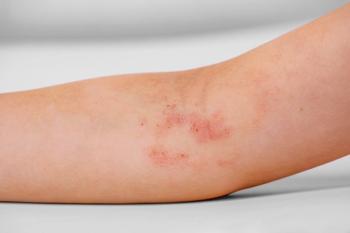
Dermavant Sciences recently announced positive results for VTAMA (tapinarof cream, 1%) for treatment of atopic dermatitis in children aged as young as 2 years.

At ACR Convergence 2022, Hyun Son, PharmD, discussed the role of the FDA’s Drug Shortage Staff in preventing and mitigating drug shortages.

Tech company surveys patients who say online experience with doctors’ offices is not great.

New data from the International Pediatric Sleep Association (IPSA) Congress 2022 used smart bed technology that revealed consistent findings to previous studies.

Income, price levels, Medicaid expansion all are factors in state-level analysis.

A look at what the Contemporary Pediatrics® team covered this week.

‘Charming Kitten’ believed to be a front for Islamic Revolutionary Guard Corps, according to HHS’ cybersecurity agency.

A recent study found that children born to mothers who had consumed caffeine during pregnancy often had a reduced height during childhood compared with those born to mothers who had not consumed caffeine.

Medical practices must go beyond simply offering competitive salaries and benefits packages to attract new talent and keep their best clinicians and administrative staff working for them.

The US Food and Drug Administration has encouraged parents to avoid using infant head shaping pillows to manage head shaping conditions such as flat head syndrome or craniosynostosis.

A real-world study determined the efficacy of mRNA vaccines for protection against COVID-19 in adolescents.

Confidence in vaccines is lower post-pandemic across all demographic groups.

Infants born to mothers with COVID-19 infection during pregnancy often experienced positive birth outcomes from April 2020 to October 2020, and COVID-19 transmission was rare.

In a recent study, children and adolescents with ADHD often had to change treatment in instances of ineffectiveness or complications.

Tina Q. Tan, MD, FAAP, FIDSA, FPIDS, discussed the potential threat of a “triple epidemic” of RSV, influenza, and COVID-19, and how pediatricians can identify these viruses in their communities.

Learn about the most recent news discussed at the 2022 AAP National Conference and Exhibition.

Lisa Hunter Romanelli, PhD, CEO of The REACH Institute, discusses how the mental health crisis in children has been addressed in the year since the crisis was declared by the American Academy of Pediatrics.

Racial and ethnic disparities in adverse perinatal outcomes were significantly greater among women who used medically assisted reproduction (MAR) than those who conceived spontaneously, according to a study published in the journal Pediatrics.

Elia Pestana Knight, MD; and Whitney Mitchell discuss how CDKL5 deficiency disorder affects children, and how ganaxolone (ZTALMY; Marinus) can drastically improve and even save lives.

Physicians, hospitals and health groups press Congress on big issues before term ends.

Cyberattacks on healthcare networks have increased exponentially in recent years, but there are steps to protect your practice.

In a recent study, adolescents, who received weekly doses of semaglutide 2.4 mg alongside lifestyle intervention, saw a significantly greater reduction in body mass index by week 68 than those only given lifestyle intervention.

In a recent study, patients with low amounts of screen time following concussion had similar rates of symptoms as those with high amounts of screen time.

Despite vaccine effectiveness against human papillomavirus, many individuals do not receive vaccination prior to sexual debut, as recommended by the ACIP.

The FDA recently approved a drug treatment for HBV infection for pediatric patients 12 and older with compensated liver disease.

Wendy Chung, MD, outlines the goals of the GUARDIAN study and how whole genome sequencing can improve screening in newborns,

This month’s top news stories.