

Review some of the top stories from the Contemporary Pediatrics website over the last week, and catch up on anything you may have missed.
Review some of the top stories from the Contemporary Pediatrics website over the last week, and catch up on anything you may have missed.
Learn when your baby is ready for solids, choose safe purees or finger foods, prevent choking, prioritize iron, and introduce allergens confidently.

Christina Boull, MD, shares recommendations for infant skin care, including choosing gentle cleansers, avoiding irritants, and supporting the skin barrier.
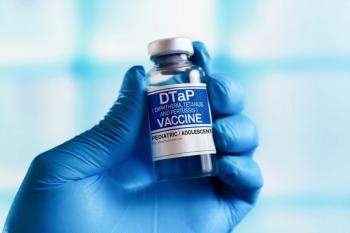
Completing the DTaP primary series was 96.2% effective against pertussis in Alaska children aged 6 months to 6 years during a record 2024 outbreak.

Keisha L. Gibson, MD, MPH, discusses the FDA approval of Gazyva for childhood-onset INS and its implications for relapse prevention and pediatric care.

Hai D. Nguyen-Tran, MD, discusses clinical signs, neurologic warning symptoms, supportive care, and preventing the spread of hand, foot, and mouth disease.

Topical botanical Cinainu earned FDA Breakthrough Therapy status for AA in patients aged 2+, supported by phase 2/3 RAAINBOW data in children.
The FDA accepted the Anaphylm NDA resubmission as a class 2 response, setting a March 16, 2027, PDUFA date for the sublingual epinephrine film.

Children with FASD given choline before age 6 had 9.1% higher nonverbal IQ and 11.3% better working memory vs placebo 5 years after treatment.

A deep learning model reading 1 nondilated fundus photo predicted 1-year progression to high myopia in children with AUCs of 0.91-0.96.

Todd Wolynn, MD, MMM, FAAP, explains how pediatricians can address misinformation through empathetic communication and community engagement.

SUID was the largest single contributor to the Black-White infant mortality gap in 2024 and drove the biggest share of its rise since 2020.

Nationwide Children's experts urge early screening and family-based lifestyle change as youth-onset T2D progresses faster than adult disease.

A teen’s track collapse reveals CPVT, a hidden inherited arrhythmia; rapid CPR/AED response and family cascade screening prevent sudden cardiac arrest across generations.

Poison center reports of intentional school exposures rose 287% in elementary and 112% in middle school children from 2000 to 2024.
Review some of the top stories from the Contemporary Pediatrics website over the last week, and catch up on anything you may have missed.
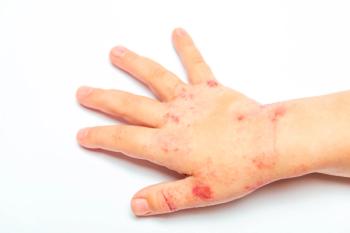
Real-world claims show dupilumab was tied to a 33%-52% lower risk of atopic march progression vs systemic corticosteroids in children with AD.
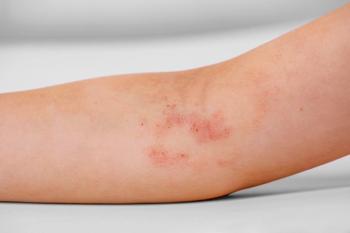
Once-daily roflumilast cream 0.05% was well tolerated in infants 3 to <24 months with AD, with 34.4% reaching vIGA-AD success at week 4.
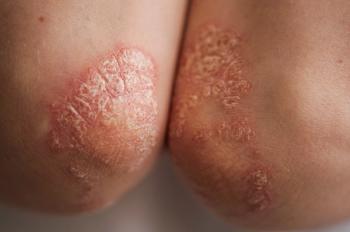
Oral icotrokinra kept PASI 90 rates at ≥72% and IGA 0/1 at ≥70% from week 64 to 112 in ICONIC-LEAD, with no new safety signals.

Diana F. Clarke, PharmD, explains how IMPAACT 2023 supported dolutegravir from birth, plus dosing tips and open questions for preterm infants.

At AAP 2026, Justin Wheeler, MD, discussed bowel cleanouts, maintenance therapy, and behavioral strategies for managing constipation in children.
Justin Wheeler, MD, explains how pediatricians can identify constipation across age groups and distinguish overflow incontinence from diarrhea.

Nichole Tyson, MD, outlines how pediatricians can evaluate menstrual concerns, identify red flags, and determine when specialty care is needed.

At AAP 2026, Stephen Bondi, JD, MD, FAAP, outlined steps pediatricians should take after receiving notice of a malpractice claim.

Maternal high egg and peanut intake in pregnancy and lactation did not lower infant IgE-mediated egg or peanut allergy at 1 year in PrEggNut.
Stephen Bondi, JD, MD, FAAP, discusses pediatric malpractice risks and the importance of relationships and communication when adverse events occur.

At AAP 2026, Peter Lio, MD, discussed distinguishing allergic and inflammatory skin conditions and when pediatricians should seek specialty care.

In national emergency department data from 2005 to 2024, fractures were the most common pediatric e-bike injury, and e-bikes had the second-highest admission rate.

An updated AAP policy statement renews the call to ban raw milk sales, citing pathogen risks to children and pregnant people and an emerging H5N1 concern.

A joinpoint analysis of 1991 to 2021 YRBSS data found suicidal ideation among US high school students declined through 2009, then increased through 2021.