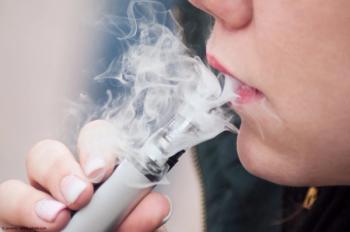
In a cross-sectional study of 48,118 pediatric primary care encounters, e-cigarette-only household exposure was associated with more asthma flares and activity-related symptoms.
Children who require high-flow nasal cannula therapy during hospitalization for bronchiolitis are more likely to be diagnosed with asthma later in childhood.
A recent study explored the relationship between high-flow nasal cannula (HFNC) therapy during infancy and the subsequent risk of developing asthma, offering important context for clinicians and families. In this multicenter retrospective cohort analysis, Andrea Rivera-Sepulveda, MD, and colleagues evaluated 4,736 children aged younger than 2 years who were hospitalized with bronchiolitis between 2015 and 2023. Investigators examined whether exposure to HFNC during the index bronchiolitis hospitalization was associated with a later asthma diagnosis.
The study found that children who received HFNC were more likely to be diagnosed with asthma during follow-up than those who did not receive HFNC. Asthma was identified in approximately 37% of HFNC-treated children compared with 22% of those not treated with HFNC. After adjusting for multiple potential confounders—including age, sex, race and ethnicity, insurance status, emergency department acuity, number of bronchiolitis encounters, viral testing, and clinical site—HFNC exposure was associated with an estimated 40% increased hazard of a subsequent asthma diagnosis.
Rivera-Sepulveda emphasized that these findings should be interpreted cautiously. HFNC use is most likely a marker of more severe bronchiolitis or an underlying asthma-prone phenotype rather than a causal factor in asthma development. HFNC is typically reserved for infants with greater respiratory distress, and the analysis did not reveal a dose–response relationship between HFNC use and asthma risk. This supports the interpretation that illness severity and host–pathogen interactions, rather than the therapy itself, drive the observed association.
From a clinical perspective, the authors stressed that HFNC should not be withheld when it is indicated for infants with bronchiolitis and acute respiratory distress. Instead, HFNC exposure may serve as a useful risk flag. Children who require HFNC during bronchiolitis may benefit from anticipatory guidance, closer follow-up, and monitoring for recurrent wheezing or evolving asthma, without suggesting that HFNC caused these outcomes.
When counseling parents, clinicians can reassure them that HFNC is a supportive therapy designed to improve comfort and breathing by delivering warmed, humidified airflow. The study found no evidence that the frequency or duration of HFNC use increased asthma risk, reinforcing its safety when clinically necessary.
Looking ahead, the researchers called for prospective, multicenter studies to better distinguish disease severity from treatment effects. Proposed future directions include standardized bronchiolitis severity measures, more detailed HFNC exposure data, consideration of environmental and host factors, and mechanistic studies incorporating biomarkers and viral genomics. Such work could further clarify the complex pathways linking early-life respiratory illness and later asthma.
No relevant disclosures.
Reference
Rivera-Sepulveda A, Ammann L, Hough A, et al. Association between high-flow nasal cannula use for bronchiolitis and subsequent asthma diagnosis. Pediatr Open Sci. 2026. doi:10.1542/pedsos.2025-000603
Access practical, evidence-based guidance to support better care for our youngest patients. Join our email list for the latest clinical updates.
Subscribe