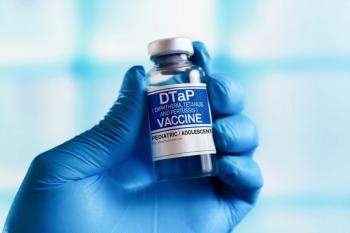
On the recently changed webpage that does include the potential link between vaccines and autism, updated on November 19, the CDC states the claim that vaccines do not cause autism has "historically been disseminated by the CDC and other federal health agencies within HHS to prevent vaccine hesitancy."
Since Health and Human Services Secretary Robert F. Kennedy Jr. took over the position, vaccine hesitancy has been a challenge for health care providers, which has stemmed in part from the firing of members of the Advisory Committee on Immunization Practices and changes to COVID-19 vaccine recommendations, including the pulling of recommendations for routine COVID-19 vaccination among healthy children and pregnant persons.
Experts in the national media and those who speak with Contemporary Pediatrics continue to promote routine vaccinations and follow evidence.
"I take some heart in the fact that although Robert F. Kennedy Jr. will for the next few years continue to shout from the rooftops that vaccines are causing harms that they don't cause, the fact of the matter is, he's wrong," Paul Offit, MD, told Contemporary Pediatrics in October while discussing vaccine hesitancy. Offit is the director of the Vaccine Education Center and an attending physician in the Division of Infectious Diseases at Children's Hospital of Philadelphia. "Ultimately, good science does win out in the end, it always does. So, we will get through this, but I feel like there is going to be a fair amount of damage in the meantime before we get through it."
"Parents used to pray that their children would grow to adulthood because so many children died from vaccine-preventable diseases," Mary Koslap-Petraco, DNP, PPCNP-BC, CPNP, FAANP, told Contemporary Pediatrics. Koslap-Petraco is the clinical assistant professor at the Stony Brook University School of Nursing and a nurse consultant for immunize.org.
"The decision by the CDC to undermine the proven safety and effectiveness of vaccines and blame vaccines for autism based on nothing more than feelings and opinions is a horrendous decision and will frighten parents into not vaccinating. This is going to result in taking the United States back to the pre-vaccine era, where the death and damage from vaccine-preventable diseases become common again."
Autism and the federal government
Autism has been in the national headlines since September, when the FDA said it would begin the process of updating the label of leucovorin to include children and adults with cerebral folate deficiency (CFD), of which clinical findings of CFD may include developmental delay, autism, seizures, tone/movement abnormalities, acquired microcephaly, and myelination abnormalities on brain MRI.5
Contemporary Pediatrics previously covered Kressly's comments in response to the label update process and federal health officials' claims that giving separate vaccines could reduce the rate of autism. At the time, Kressly said:
"Today’s White House event on autism was filled with dangerous claims and misleading information that sends a confusing message to parents and expecting parents and does a disservice to autistic individuals."
References:
- Autism and Vaccines. CDC. Updated November 19, 2025. Accessed November 20, 2025. https://www.cdc.gov/vaccine-safety/about/autism.html
- Statement by AAP President Susan J. Kressly, MD, FAAP on changes to CDC's website on autism. American Academy of Pediatrics. Email statement. Published November 20, 2025. Accessed November 20, 2025.
- Without evidence, CDC changes messaging on vaccines and autism. NBC News. Published November 20, 2025. Accessed November 20, 2025. https://www.nbcnews.com/health/health-news/cdc-autism-vaccines-webpage-studies-changes-language-rcna244936
- About vaccines for your children. CDC. Updated August 9, 2024. Accessed November 20, 2025. https://www.cdc.gov/vaccines-children/about/index.html
- Fitch J. AAP does not recommend routine use of leucovorin in children with autism. Contemporary Pediatrics. Published October 31, 2025. Accessed November 20, 2025. https://www.contemporarypediatrics.com/view/aap-does-not-recommend-routine-use-of-leucovorin-in-children-with-autism