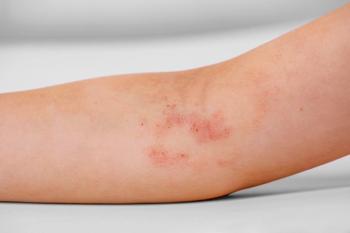
A 16-month-old with recurrent otitis media developed a spreading unilateral rash on her hip and thigh during antibiotic treatment. PCR testing confirmed herpes zoster, an uncommon diagnosis in young, vaccinated children.
Check out the top 5 nutrition articles of 2025.
Welcome to another edition of Countdown to 2026, and thank you for visiting the Contemporary Pediatrics website throughout 2025. Below, take a look at the top
A case of painful plantar nodules in a 10-year-old boy following hot tub exposure was consistent with Pseudomonas hot-foot syndrome, a self-limited form of suppurative panniculitis associated with Pseudomonas aeruginosa. The child developed intensely painful, erythematous nodules on the soles of both feet within hours of exposure, resulting in difficulty bearing weight, with gradual spontaneous improvement over several days. Clinical features, exposure history, and reports of similar symptoms in other exposed children supported the diagnosis, and no further diagnostic testing was pursued, given the clinical improvement. The condition is thought to result from bacterial inoculation via microtrauma to the plantar skin, particularly in children with thinner stratum corneum, often associated with abrasive pool or hot tub surfaces. Symptoms typically resolve without treatment within 1 to 14 days, and management focuses on reassurance, pain control if needed, and public health measures such as appropriate chlorination and maintenance of recreational water facilities to prevent future outbreaks.
An infant aged 18 days presented with apnea, cyanosis, and progressive respiratory distress and was found to have congenital lobar emphysema of the left upper lobe after initial imaging raised concern for tension pneumothorax. Despite urgent needle decompression, the patient’s clinical status did not improve, and computed tomography of the chest confirmed marked hyperinflation of the left upper lobe with mediastinal shift and compression of the remaining lung tissue. Laboratory studies were unremarkable, and the diagnosis was established based on characteristic imaging findings. The patient was managed with surgical resection of the affected lobe, resulting in rapid improvement in respiratory status. This case highlights the diagnostic challenge of congenital lobar emphysema in neonates, its potential to mimic life-threatening conditions such as pneumothorax, and the importance of prompt imaging and surgical intervention when significant respiratory compromise is present.
A girl aged 13 years with iron deficiency anemia presented with progressive headache, vomiting, and altered mental status and was initially found to have hydrocephalus and cerebellar abnormalities on neuroimaging, raising concern for rare entities such as Lhermitte-Duclos disease or cerebellitis. Despite extensive infectious, autoimmune, metabolic, and oncologic evaluation, her condition worsened, and she required neurosurgical intervention and cerebellar biopsy, which showed nonspecific findings. The definitive diagnosis was lead encephalopathy after a markedly elevated blood lead level of 99 mcg/dL was identified, with subsequent history revealing chronic exposure from imported glazed pottery, contaminated spices, and cosmetic products. She was treated with chelation therapy under toxicology guidance, resulting in significant neurologic improvement, although blood lead levels fluctuated because of ongoing bone lead mobilization. This case underscores that severe lead poisoning can mimic rare neurologic disorders, highlights the importance of environmental exposure history in atypical pediatric presentations, and reinforces the need for prevention, early screening, and multidisciplinary management of lead toxicity.
A previously healthy boy aged 10 years presented with 1 week of left ear pain, purulent otorrhea, and postauricular swelling after frequent swimming, and was ultimately diagnosed with coalescent mastoiditis complicated by extracranial abscess formation and dural venous sinus thrombosis. Although initially nontoxic appearing, laboratory studies showed leukocytosis and elevated inflammatory markers, and CT imaging confirmed mastoiditis with intracranial extension, which was further characterized by MRI/magnetic resonance venography as thrombosis of the left transverse and sigmoid sinuses and proximal internal jugular vein. The patient required multidisciplinary management with broad-spectrum intravenous antibiotics, mastoidectomy with abscess drainage and sinus decompression, and therapeutic anticoagulation, followed by a prolonged course of intravenous antibiotics. He recovered without neurologic sequelae and had complete radiographic resolution of thrombosis. This case highlights the increasing incidence and severity of pediatric acute mastoiditis, underscores that intracranial complications may occur even in the absence of focal neurologic deficits, and reinforces the importance of early imaging, prompt surgical consultation, and aggressive management to prevent life-threatening outcomes.
A girl aged 13 years with long-standing, poorly controlled type 1 diabetes mellitus presented with growth faltering, delayed puberty, hepatomegaly, and dyslipidemia in the setting of recurrent diabetic ketoacidosis and persistently elevated hemoglobin A1c levels. Physical examination revealed slender extremities with reduced muscle mass, a protuberant abdomen, and Tanner stage I sexual development. Laboratory evaluation demonstrated elevated transaminases and marked hyperlipidemia. The clinical presentation and metabolic findings were consistent with Mauriac syndrome, a rare but reversible complication of chronic insulin deficiency characterized by impaired growth, delayed pubertal development, hepatic glycogen accumulation, and lipid abnormalities. Management focused on intensive supervision of insulin therapy, structured glucose monitoring, and behavioral adherence support, leading to normalization of glycemic control, resolution of hepatomegaly and laboratory abnormalities, initiation of pubertal progression, and improvement in growth velocity. This case highlights the importance of recognizing Mauriac syndrome in adolescents with poorly controlled diabetes and underscores the potential for full clinical reversal with sustained metabolic control.