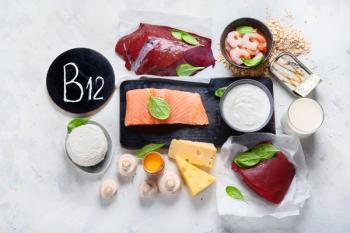
Higher preconception maternal and paternal vitamin B12 was tied to fewer birth defects in a Shanghai cohort of 3032 couples.
A study found that drying very preterm infants before immediate plastic wrapping offers no improvement in temperature regulation.
There is no noticeable benefit from drying before plastic wrapping toward maintaining normothermia at neonatal intensive care unit (NICU) admission for very preterm infants, according to a recent study published in JAMA Network Open.1
Hypothermia has a high incidence at NICU admission among very preterm infants despite links to adverse neonatal outcomes. Interventions recommended to reduce thermal loss at birth include use of infant warmers, adequate room temperature, heated and humidified gases, caps, and polyethylene bags.2 However, continued prevalence has indicated a need for additional interventions.1
“While drying is recommended for thermal management of infants with a gestational age greater than 32 weeks, this procedure is not indicated for very preterm infants, who should be put in a plastic wrap immediately at birth without drying,” wrote investigators.
The randomized clinical trial was conducted to compare plastic wrapping with vs without drying for thermal management to prevent heat loss at birth in very preterm infants. Neonates with an estimated birth weight less than 1500 g or gestational age of 30 weeks 6 days or less and without congenital malformations were eligible for inclusion.
Participants were randomly assigned 1:1 to either the intervention of drying or control of not drying. In both groups, neonatal resuscitation was performed at room temperature 23 °C to 25 °C as measured using a wall thermometer (RMR262; Oregon Scientific).
Additional steps performed in both groups included delayed cord clamping in uncompromised infants, placing the neonate under a radiant infant warmer, covering the body with a plastic bag or shoulder wrap, and covering the head of the neonate with a cap. Doctors also had the option of using a prewarmed mattress and using heated or humidified gases.
In the treatment group, infants were dried with a prewarmed towel before wrapping. Following the stabilization or resuscitation, infants were placed in a transport incubator and transferred to the NICU.
The proportion of patients at a normal thermal range at NICU admission, defined as 36.5 to 37.5 °C, was reported as the primary outcome. Rates of hypothermia, moderate to severe hypothermia, and hyperthermia at NICU admission were reported as secondary outcomes.
There were 354 neonates with a mean gestational age of 28.6 weeks included in the analysis, 50.8% of whom were female and 49.2% male. Each study arm included 177 participants.
Normothermia was reported in 45.8% of the intervention group and 46.3% of the control group. This indicated no significant difference, with a risk ratio (RR) of 0.99. Mean neonatal temperatures were 36.4 and 36.5 °C, respectively, indicating a mean difference of -0.1 °C.
Secondary outcomes also did not differ between groups, except for in-hospital mortality which was reported in 14.7% of dried neonates and 5.6% of undried neonates. An adjusted RR of 2.71 was reported, highlighting a continued association after adjusting for clinically relevant cofounders.
Severe hypothermia was rare and did not significantly differ between groups. Additionally, no cases of unexpected death or severe hyperthermia were reported. Overall, these results indicated no benefits from drying before plastic wrapping among very preterm infants.
“Thermal management of such vulnerable infants is still a challenge and needs further investigations on suitable improvements of the current thermal intervention bundle,” wrote investigators.
References