Takeaways
- FDA warns of rare and potentially life-threatening reaction (DRESS) with antiseizure medicines levetiracetam and clobazam.
- DRESS can quickly progress from rash to organ injury, hospitalization, and death.
- Additional warnings mandated on prescribing information and patient guides for levetiracetam and clobazam.
- Levetiracetam (24 years approved) and clobazam (12 years approved) can cause DRESS, with specific side effects noted for each.
- Health professionals urged to recognize DRESS symptoms, stop medication if suspected, and report adverse events to FDA's MedWatch.
The FDA is warning health professionals, patients, and pharmacies that antiseizure medications levetiracetam (Keppra, UCB; Keppra XR, UCB; Elepsia XR, Tripoint; Spritam, Aprecia) and clobazam (Onfi, Lundbeck; Sympazan, Aquestive) can cause a rare but serious and potentially life-threatening reaction.
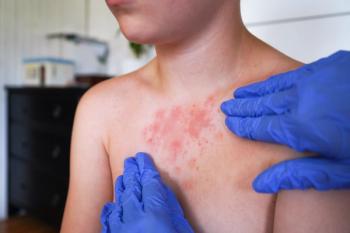
The reaction, called Drug Reaction with Eosinophilia and Systemic Symptoms (DRESS), can start as a rash but can progress quickly, potentially resulting in injury to internal organs, hospitalization, and death.
Because of the serious potential reaction, the FDA is requiring warnings be added to prescribing information and patient medical guides for levetiracetam and clobazam.
DRESS can include rash, fever, injury to organs (liver, kidneys, heart, lungs, or pancreas), and swollen lymph nodes.
Levetiracetam is approved as an antiseizure medicine as a monotherapy or in conjunction with other medicines to control seizures in adults and children.
Approved by the FDA for 24 years, common side effects of levetiracetam include aggression or unusual irritability, loss of balance or coordination, confusion, and extreme drowsiness.
Clobazam is a benzodiazepine indicated for use in combination with other medicines to control seizures in adults and children (aged 2 years and up) who have a specific severe version of epilepsy called Lennox-Gastaut syndrome.