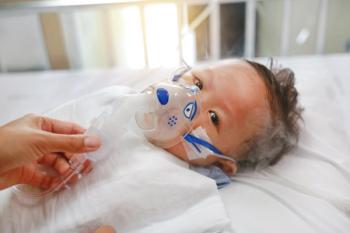
Johanna Chang, MD, offers guidance on vaccination, infection prophylaxis, and clinical warning signs in children receiving biologic therapies.
The stress of enduring an infectious disease pandemic expresses itself in a variety of mental health conditions, but the likelihood of experiencing particular symptoms depends on who you are.
While much attention is rightfully bestowed on the physiological toll of infectious disease epidemics and pandemics,
The scientists examined 283 different studies conducted during past epidemics and the current COVID-19 pandemic up until August 2020, encompassing data on nearly 950,000 individuals in 45 countries. Among the studies, 219 offered data on the prevalence of depression, 232 examined the prevalence of anxiety, and 46 delved into the prevalence of insomnia. The studies categorized the subjects as the general public, healthcare workers, university students, older adults, currently infected patients, people who had recovered from infection, and pregnant women.
The results from all of the studies were pooled. Overall, university students had the highest pooled prevalence of depression, with 43.3% affected (95% confidence interval [27.1-59.6]). This was followed by health care workers, who experienced depression at a rate of 37.7% (95% CI [33.5-41.8]), infected patients, whose pooled rate was 37.2% (95% CI [30.3-44.2]), and the general public, whose pooled rate was 34.9% (95% CI [31.7-38.0]). Somewhat lower were the pooled rates of depression for pregnant women (27.8%, 95 CI [22.8-32.8]) and older people (26.0%, 95% CI [18.5-33.4]).
When it came to anxiety, however, pregnant women scored highest, with a pooled rate of 43.3% (95% CI [23.3-63.3]). Health care workers came next, with a pooled rate of 35.9% (95% CI [31.5-40.3]). Following closely were the general public (35.1%, 95% CI [32.1-38.2]), university students (34.8%, 95% CI [23.5-46.1]), infected patients (34.3%, 95% CI [25.4-43.2]), and infection survivors (28.5%, 95% CI [13.0-44.0]). The lowest anxiety rates were seen in older people at 25% (95% CI [12.0-38.0]).
Sleep problems plagued university students at the highest rates, with a prevalence of 58.4% (95% CI [28.1-88.6]), followed by infected patients at 54.1% (95% CI [48.7-59.5]) and pregnant women at 53.3% (95% CI [38.7-67.9]). Survivors reported insomnia at a prevalence of 40.1% (95% CI [37.6-42.5]), while health care workers reported insomnia at a rate of 39.3% (95% CI [31.1-47.4] and the general public reported it a rate of 29.7% (95% CI [24.4-34.9]).
Although health care workers had the second highest rates of depression overall, the scientists discovered that they had the lowest rates of moderate to severe depression at 18.8% (95% CI [16.2-21.3]). The researchers attributed this to a solid base of knowledge and effective coping strategies despite their greater levels of stress. University students had the highest rate of moderate to severe depression at 24% (95% CI [17.6-30.6]), while the general public experienced the highest prevalence of moderate to severe anxiety at 25% [95% CI [23.0-28.0]).
Analyzing the results, the scientists found that different populations had different propensities toward specific mental health conditions during epidemics, such as university students scoring high in anxiety and depression, pregnant women tending toward anxiety, and university students and infected patients experiencing insomnia. They concluded that risk factors included being female, having physical or psychiatric disorders, being infected or having family or friends infected, having close contact with infected patients, and being highly concerned about epidemics in general.
On the flip side, the scientists found that participants who indicated they engaged in regular exercise and had a solid base of friendships and relationships tended to score lower on measures of depression and anxiety. “Frequent and high intensity exercise reduces inflammation, which may further help relieve mental health symptoms,” they wrote. “Perceived support from the social environment may help [people] resist and effectively cope with the risk factors related to mental health.”
Limitations of this study include a lack of data collected after August 2020; the exclusion of studies measuring outcomes more than 6 months after infection; the self-reported nature of the symptoms; and the absence of less common mental health conditions encompassing psychosis and cognitive impairments.
Originally published on our sister brand,