Christina Boull, MD, shares recommendations for infant skin care, including choosing gentle cleansers, avoiding irritants, and supporting the skin barrier.
Lisa Swanson, MD, returns to diagnostic pitfalls, describing a presentation she sees often: AD in the crease of an infant's neck, which is frequently misdiagnosed as a yeast infection.
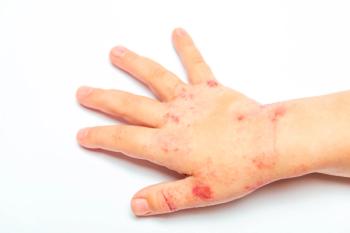
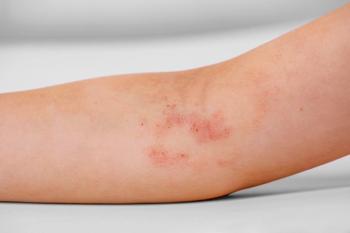
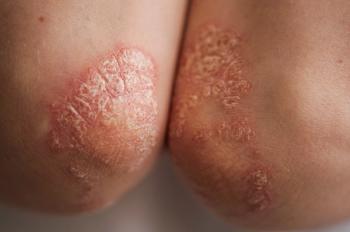
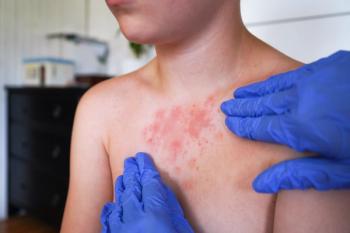
Lisa Swanson, MD, returns to diagnostic pitfalls, describing a presentation she sees often: AD in the crease of an infant's neck, which is frequently misdiagnosed as a yeast infection. In her experience, this rash is almost always eczema caused by drool dripping down the cheek and irritating the neck crease, and families are often already using antifungal preparations that don't address the real cause. The key clue, she says, is context — if a baby also has eczema on the cheeks, a similar rash in the neck crease is very likely eczema as well.
She then walks through why getting AD under control matters well beyond the skin. Patients with AD have long been known to have higher rates of food allergy and asthma, a pattern known as the atopic march. Newer research, she explains, suggests the relationship is directional: it's the eczema that drives food allergy, not the reverse, as aerosolized food particles cross a broken skin barrier and trigger an abnormal immune response. Treating the eczema well, she notes, can help prevent that allergic cascade.
Swanson also cites elevated rates of anxiety, depression, ADHD, autism spectrum diagnoses, and learning disabilities among patients with poorly controlled AD, with early treatment showing particular benefit for ADHD. She connects poor sleep — a hallmark of uncontrolled itch — to reduced REM sleep, which in turn limits growth hormone secretion, contributing to slower growth and greater risk of osteoporosis, osteopenia, and fractures. Treating AD effectively, she argues, supports the whole child, not just the skin.
In the next episode, "Managing AD Flares and Debunking the Food Allergy Myth," Swanson closes with practical guidance on riding out flares, her top takeaways for pediatricians, and a myth about food and eczema she wants every family to hear.