Johanna Chang, MD, offers guidance on vaccination, infection prophylaxis, and clinical warning signs in children receiving biologic therapies.
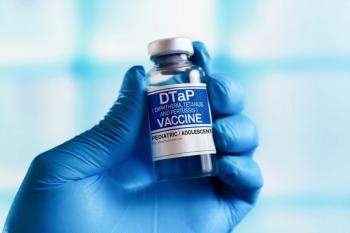
Donna Hallas, PhD, PPCNP-BC, CPNP, PMHS, FAANP, FAAN, shares her thoughts on the recently updated ACIP recommendation on the hepatitis B vaccine.
As a clinical professor, a pediatric nurse practitioner, and a researcher, I must give the decision from the December 4 and 5, 2025, meetings of the Advisory Committee on Immunization Practices (ACIP) to remove the recommendation for all newborns to receive the hepatitis B vaccine dose within 24 hours of life, an unsatisfactory grade.
The 2025 ACIP committee members held a full day discussion on the newborn dose of the hepatitis B vaccine on December 4, 2025.1 Many of the reports by the ACIP members focused on outdated data and opinions, not scientific evidence. After a full day of discussions about the hepatitis B newborn vaccine dose, several national vaccine experts responded to the discussion. These experts disagreed with the data presented and spoke against removing the hepatitis B newborn dose.
On December 5, 2025, the ACIP members voted 8- 3 in favor to remove the current universal recommendation for the newborn dose of the hepatitis B vaccine. They supported a discussion between providers and parents of newborns for the vaccine decision-making by mothers who tested negative to the hepatitis B surface antigen (HBsAG–negative). The committee further recommended that parents and health care providers ask if individuals living in the household have hepatitis B or if there is frequent contact with individuals who have immigrated from areas where hepatitis B is common. The decision to vaccinate the newborn would be based on the responses of parents to this discussion.
One must question how many mothers of newborns know with certainty that a household member is or is not a hepatitis B carrier, or has had a recent exposure to hepatitis B? It is imperative that the next 3 statements are presented to the parents and the provider is assured and documents that the parents understand this information: 1.) Horizontal transmission from a household member to an infant can occur from the presence of the virus on environmental surfaces.2 2.) Infants who are exposed to hepatitis B from horizontal infections are at high risk of acquiring the disease.2 3.) Ninety percent of infants who are infected with hepatitis B at birth or during the first year of life will develop chronic hepatitis B disease.3
Data support the importance of the hepatitis B vaccine newborn dose
Maiorella and Rodriquez reported information from the Centers for Disease Control and Prevention (CDC) on a viral hepatitis 2017 surveillance that revealed no risk factors were found for more than 30% of acute hepatitis B cases.4 This CDC 2017 viral surveillance from the CDC has been archived, and the information is no longer fully available for review. However, these data from the CDC reveal strong support for the birth dose of the hepatitis B vaccine.4 The birth dose of the hepatitis B vaccine is a powerful example of effective primary prevention strategies for all newborns.
Our roles as primary care providers
As a clinical professor, I emphasize the significance of being knowledgeable about vaccines and the importance of communicating accurate information to parents who want their children to be fully immunized and parents who are hesitant or vaccine refusers. As a pediatric nurse practitioner, I have administered thousands of vaccines to infants, children, adolescents, and young adults over the years. My career was focused on caring for high-risk children. One important goal was to reduce complications from exposures to vaccine-preventable diseases, of which vaccines played an important role in maintaining their health. As a researcher, I have studied vaccine hesitancy in pregnant women and mothers of newborns.5 My colleagues and I investigated the effectiveness of a web-based, interactive communication intervention to help vaccine-hesitant pregnant women and mothers of newborns make informed decisions about vaccines based on scientific evidence.
As individuals who provide health care to the pediatric populations in a family-centered approach to care, we are obligated to provide care that is based on the best available scientific evidence. Our overarching goal is to do no harm. We cannot ignore the data that overwhelmingly support the positive outcomes from administering the hepatitis B vaccine dose to all newborns since 1991.
References:
1. Advisory committee on immunization practices (ACIP) December 4, 2025 – Day 1 of 2. December 4, 2025. Accessed December 10, 2025. https://www.youtube.com/live/LpthhPBFAgI
2. Nelson NP, Easterbrook PJ, McMahon BJ. Epidemiology of Hepatitis B Virus Infection and Impact of Vaccination on Disease. Clin Liver Dis. 2016;20(4):607-628. doi:10.1016/j.cld.2016.06.006
3. COMMITTEE ON INFECTIOUS DISEASES; COMMITTEE ON FETUS AND NEWBORN. Elimination of Perinatal Hepatitis B: Providing the First Vaccine Dose Within 24 Hours of Birth. Pediatrics. 2017;140(3):e20171870. doi:10.1542/peds.2017-1870
4. Maiorella R, Rodriguez VA. Hepatitis B Vaccine Refusal in the Newborn Period. Pediatr Ann. 2021;50(8):e343-e347. doi:10.3928/19382359-20210712-01
5. Hallas D, Altman S, Mandel E, Fletcher J. Vaccine hesitancy in prenatal women and mothers of newborns: Results of an interventional study. Nurse Pract. 2023;48(3):36-47. doi:10.1097/01.NPR.0000000000000018
12 months ago
EC prescribing has not changed post Dobbs12 months ago
Novel therapies for type 1 diabetes12 months ago
A teenage girl with acne lesions on her forehead