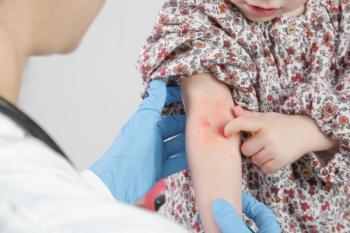
At AAP 2026, Peter Lio, MD, discussed distinguishing allergic and inflammatory skin conditions and when pediatricians should seek specialty care.
Lisa Swanson, MD, describes the framework she uses at follow-up visits to judge whether a topical steroid regimen is succeeding.
Lisa Swanson, MD, describes the framework she uses at follow-up visits to judge whether a topical steroid regimen is succeeding. The first question is whether the condition is responding at all — can the child achieve clear skin? The second is whether that control is sustainable — can the family maintain it? The third is about burden: how much medication is required, how often, and whether the regimen's complexity is something the family can realistically keep up with long term. Taken together, she says, these three questions give a clinician a genuine picture of how a child is doing on treatment.
She then addresses the real risks of prolonged or inappropriate topical corticosteroid use. Overuse can thin the skin, disrupt the hypothalamic-pituitary-adrenal (HPA) axis, and lead to tachyphylaxis, where the skin becomes accustomed to a steroid and it stops working as well. Swanson also acknowledges the growing patient awareness of topical corticosteroid withdrawal syndrome, a topic she says nearly every family now brings up, largely because of its visibility on social media.
Still, she pushes back on the idea that these concerns should drive clinicians away from steroids altogether. When used at the appropriate strength, for the appropriate age, and for an appropriate duration, topical steroids remain a cheap and effective way to control mild-to-moderate AD. The real work, she argues, is stewardship: avoiding overuse while directly addressing family concerns, since fear of steroids that goes unaddressed often leads to undertreatment instead.
In the next episode, "When to Refer Pediatric AD and Consider JAK Inhibitors," Swanson explains when it's time to loop in a specialist, and introduces a newer class of non-steroid topicals — including a topical JAK inhibitor — now approved down to age two.