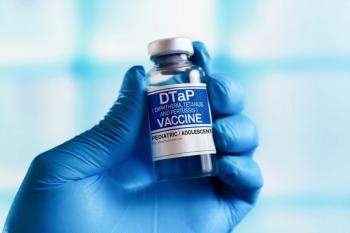
Completing the DTaP primary series was 96.2% effective against pertussis in Alaska children aged 6 months to 6 years during a record 2024 outbreak.
Check out the top 5 pharmacology articles of 2025.
Welcome to another edition of Countdown to 2026, and thank you for visiting the Contemporary Pediatrics website throughout 2025. Below, take a look at the top
The increasing availability of at-home infant cardiorespiratory monitoring devices has raised important questions for pediatric practice regarding accuracy, clinical utility, and family counseling. These wearable and camera-based technologies can provide continuous data on heart rate, oxygen saturation, respiratory patterns, and sleep, and are widely used by caregivers for reassurance. Although some FDA-cleared devices have demonstrated reasonable agreement with standard pulse oximetry in small studies, overall clinical validation remains limited, particularly for commercially available, non–medical-grade products. Potential benefits include caregiver peace of mind and reduced reliance on wired monitors, while limitations include false alarms, alarm fatigue, unclear implications for health care utilization, cost, and possible disparities in accuracy. Professional guidance does not support their use to prevent sudden infant death syndrome, and clinicians are advised to emphasize that these devices do not replace established safe sleep practices.
Recent advances in type 1 diabetes research highlight a shift beyond lifelong insulin replacement toward therapies aimed at delaying disease onset, preserving pancreatic β-cell function, and restoring endogenous insulin production. Novel immunomodulatory agents, including the FDA-approved anti-CD3 monoclonal antibody teplizumab, have demonstrated the ability to delay progression from presymptomatic to clinical disease and maintain C-peptide levels in at-risk and newly diagnosed patients, while additional agents such as Janus kinase inhibitors, verapamil, and ergocalciferol have shown potential for β-cell preservation in early-stage disease. In parallel, cell-based replacement strategies have emerged, with FDA approval of donor-derived islet cell therapy for select adults and ongoing trials of stem cell–derived islet therapies demonstrating insulin independence and reduced hypoglycemia in early studies. Collectively, these developments suggest an evolving therapeutic landscape focused on disease modification and functional restoration in type 1 diabetes, although long-term safety, durability, and applicability to pediatric populations remain areas of active investigation.
A review published in Pediatrics evaluated the long-standing use of aluminum adjuvants in childhood vaccines and found no evidence linking them to long-term toxicologic, neurodevelopmental, allergic, or autoimmune harm. The authors summarized data showing that aluminum salts enhance immune responses and support durable protection while contributing a small cumulative exposure that is slowly absorbed and cleared without systemic accumulation. Large epidemiologic studies reviewed in the report found no association between aluminum-adjuvanted vaccines and autism spectrum disorder, asthma, allergic disease, or autoimmune conditions. The review emphasized that aluminum adjuvants remain essential to the effectiveness of certain pediatric vaccines and highlighted the importance of clear, evidence-based clinician communication to address caregiver concerns and support vaccine confidence.
Respiratory syncytial virus remains a leading cause of hospitalization in infants and young children, prompting the development of multiple preventive strategies, including monoclonal antibodies and vaccines. Palivizumab and nirsevimab provide passive immunity through RSV-specific monoclonal antibodies, with palivizumab reserved primarily for high-risk infants and nirsevimab approved for all infants during their first RSV season due to its longer duration of protection and lower cost. In addition, RSV vaccines are available for older adults, and maternal vaccination with Abrysvo during late pregnancy has been shown to reduce RSV-related hospitalizations in infants through passive antibody transfer. Together, these approaches offer complementary options to reduce RSV-associated morbidity across different age groups and risk profiles.
The discontinuation of branded fluticasone propionate (Flovent) in early 2024 has complicated access to age-appropriate inhaled corticosteroid therapy for infants and young children with persistent asthma. In children younger than 4 years, treatment options remain limited by age approvals, delivery device feasibility, insurance coverage, and cost, with hydrofluoroalkane inhalers used with spacers and nebulized solutions representing the most practical routes of administration. Budesonide nebulized solution is the only inhaled corticosteroid with FDA approval for children younger than 4 years, while evidence supports off-label use of select agents, including generic fluticasone propionate and ciclesonide, in younger populations. The article highlights concerns that reduced access to effective inhaled corticosteroids may be associated with increased asthma-related hospitalizations and underscores the need for clinicians to carefully balance efficacy, safety, delivery method, and affordability when managing asthma in this age group.