

Main factors contributing to the hospitalization of pediatric patients with influenza A were abdominal pain, viral co-infection and some hematological abnormalities.

Joshua Fitch is the senior editor for Contemporary Pediatrics. He joined the brand in March of 2023 as an editor before being promoted to senior editor in January 2024. Fitch graduated from Youngstown State University in Youngstown, Ohio in 2020 with a degree in telecommunications and journalism. He started his career as a news and sports videographer before becoming an on-air sports anchor at the NBC-affiliated news station in Youngstown. Fitch briefly worked as a national content writer for a Chicago-based national television station before joining the Contemporary Pediatrics team. He can be reached at: [email protected].
Main factors contributing to the hospitalization of pediatric patients with influenza A were abdominal pain, viral co-infection and some hematological abnormalities.
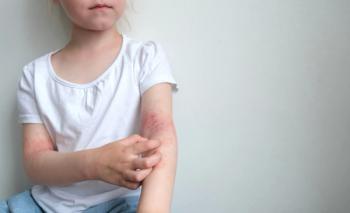
According to new pooled individual patient responses, roflumilast cream 0.15% treatment led nearly 92% of individuals to achieve a measurable improvement in the Eczema Area and Severity Index.

“I think these injuries in particular are tragic, these unintentional ones, because they are preventable,” said Steven Selbst, MD. “If parents would lock the gun or keep the gun stored without the ammunition, it would be preventable, but parents don't do that.”

Seborrheic dermatitis patients with an inadequate response or intolerance to steroids were 3.5 times more likely to achieve Investigator Global Assessment (IGA) success with roflumilast foam 0.3% compared to vehicle, new data from the 2024 Winter Clinical Dermatology Conference revealed.

Review some of the top stories from the Contemporary Pediatrics website over the last week, and catch up on anything you may have missed.

Steven Selbst, MD, provides an update as to what he is seeing in the emergency department related to influenza, RSV, and COVID-19.
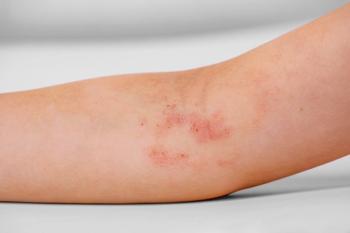
New interim data from the on-going, long-term extension ADORING 3 study and from an integrated analysis of the entire ADORING development program revealed efficacy and safety using tapinarof cream 1% continued beyond 8 weeks of treatment.

Compared to placebo, linaclotide demonstrated a statistically significant and clinically meaningful improvement in spontaneous bowel movement(s) (SBM) frequency rate, and was subsequently approved by the FDA in June 2023.

MediWound Ltd is seeking to expand the label for NexoBrid, already approved for eschar removal in adult patients, to the pediatric indication after the FDA accepted a supplemental Biologics Application for this patient population.

Though more research is needed to determine reasons for the association, a study published in JAMA Network revealed the 2021-2022 influenza season was associated with a significantly higher household transmission risk compared to pre-pandemic seasons.

The study authors noted that without video evidence, seizures would not have been implicated in death investigations and that seizure-related deaths are underrecognized in patients with epilepsy and in those without.

Marstacimab reduced the annualized bleeding rate (ABR) by 35% and nearly 92%, respectively, compared to routine prophylaxis and on-demand treatment in hemophilia A and B patients without inhibitors, according to Pfizer.

Berdazimer gel, 10.3% demonstrated positive, topline data in the phase 3 randomized clinical B-SIMPLE4 trial (NCT04535531) that featured a total of 891 patients aged 6 months or older who had 3 to 709 raised molluscum contagiosum lesions.
Review some of the top stories from the Contemporary Pediatrics website over the last week, and catch up on anything you may have missed.

Results demonstrated that caregiver burden scored a 2.14 on the caregiver burden scale, which is within the average burden level, though a higher burden of care is associated with a higher sense of loneliness. These results can help health care professionals develop a family-centered treatment plan.
New neonatal incubators from Drager and certain GE Healthcare incubators do not need to be run for a week prior to clinical use, according to a healthcare provider update from the FDA.

William Gallentine, DO, explains why he is excited for the year ahead when it comes to epilepsy treatment as new technologies emerge and the treatment landscape changes.

In 43 of 154 school weeks, air samples were positive for influenza A virus (IAV) while SARS-CoV-2 was positive in air samples in 101 of 154 school weeks.

More than 675,000 cans of specialty infant formula for cow’s milk allergy have been voluntarily recalled by Reckitt/Mead Johnson Nutrition because of a possible contamination with Cronobacter sakazakii.

A discussion of the intense 2023 RSV season, approved treatment tools, and an outlook for 2024.

Candice Jones, MD, shares what she wants to continue into the new year when it comes to pediatric health care.

Tina Tan, MD, FAAP, FIDSA, FPIDS, discusses vaccine hesitancy and hopes to increase vaccination for preventable diseases in 2024.

In the third installment of RSV Roundtable, our panel discusses the impact nirsevimab has had this RSV season.
Review some of the top stories from the Contemporary Pediatrics website over the last week, and catch up on anything you may have missed.

William Gallentine, DO, explains the initial signs of pediatric seizures and epilepsy and how pediatricians can point them out, all while reassuring parents and determining proper care.
Birch triterpenes (FILSUVEZ; Chiesi Global Rare Diseases) is the first approved treatment for wounds associated with junctional epidermolysis bullosa (JEB), according to the developer.

In a recent phase 3 trial, omalizumab (Xolair; Genentech) led to children and adolescents being able to receive higher doses of common foods without allergic reactions.

A lead study investigator highlights epicutaneous immunotherapy using DBV 712 (Viaskin Peanut; DBV Technologies), its study details, and breaks down its usability, indications, and treatment potential.
Seborrheic dermatitis patients aged 9 years and older can now use roflumilast foam 0.3% following its approval by the FDA.
In the second installment of RSV Roundtable, our panel explains how they are educating patients and parents when it comes to RSV, vaccines and preventive measures, and limited treatment availability.