





Viaskin milk patch shows promise in cow’s milk allergy, particularly in children aged 2-11 with 300 μg dose, though the other doses examined failed to prove significant benefit.
Viaskin milk patch shows promise in cow’s milk allergy, particularly in children aged 2-11 with 300 μg dose, though the other doses examined failed to prove significant benefit.

Study authors of a paper published in The New England Journal of Medicine highlighting omalizumab for multiple common food allergies provided their comments regarding positive phase 3 data.

A poster presentation at AAAAI from the phase 3 PEOPLE Study revealed DBV712 treatment in children with peanut allergy has a favorable safety and tolerability profile.

Omalizumab was approved by the FDA on February 16, 2024 as the first and only FDA-approved medicine to reduce allergic reactions in patients with 1 or more food allergies.

Thomas Casale, MD, discusses phase 3 data presented at the 2024 AAAAI Meeting in Washington DC, highlighting neffy's efficacy in pediatric patients at risk for anaphylaxis.
In a recent phase 3 trial, omalizumab (Xolair; Genentech) led to children and adolescents being able to receive higher doses of common foods without allergic reactions.

In this Contemporary Pediatrics® interview, Scott Sicherer, MD, FAAP, discusses his session, "Feed the Baby! Essential Advice for Food Introduction and Allergy Prevention," presented at the 2023 2023 American Academy of Pediatrics National Conference & Exhibition.
Desensitization was observed in children aged 1 to 4 years using peanut sublingual immunotherapy (SLIT) compared to placebo, demonstrating a significantly greater median cumulative tolerated dose and higher likelihood of demonstrating remission.
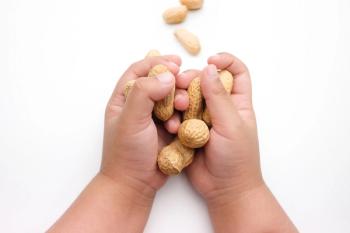
This expanded upon the limited data available on risks of precautionary allergen label food introduction for those with allergies, the results of which suggest new possibilities for future allergy management.

The authors noted that there is evidence that recommending early introduction of peanut without prior testing is safe and effective in increasing early peanut introduction to infants, even those at high risk.

New data on oral immunotherapy to food allergens shows promise for the treatment, though more information with standard interventions and regimens is needed to gain certainty on the efficacy and safety.
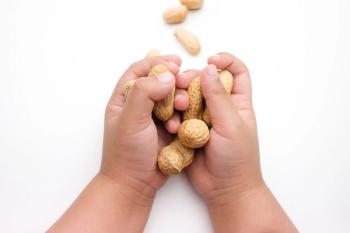
A new study investigates taking this treatment a step further, evaluating the effect of epicutaneous immunotherapy in toddlers with known peanut allergies.
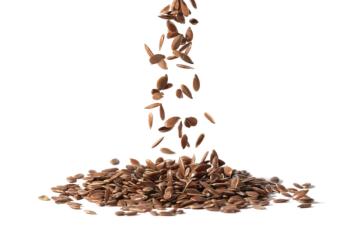
Knowing which packaged foods contain various seeds has largely been a guessing game, but a new law enacted in January 2023 changes that.
New data expands upon the growing perception that allergenic food introduction early in a child’s life may lessen the possibility of allergy developments.

Data from AAAAI 2023 suggests that gut microbial composition, function, and metabolic activity are implicated in the efficacy of peanut oral immunotherapy in children with peanut allergy.
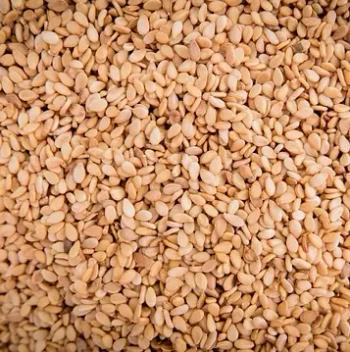
Recent data, presented at the AAAAI annual meeting, showed that oral sesame desensitization through crushed seeds and tahini was efficacious and safe for pediatric patients.
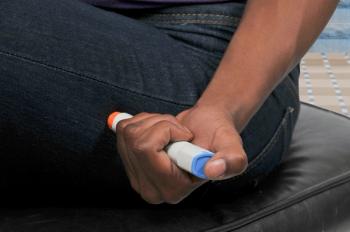
In a recent study, the use of text messages alongside financial incentives increased epinephrine auto-injector carrying among adolescents.
Research suggested no significant relationship between peanut sensitivity and AD severity as measured by two scores, although the study was acknowledged to have a smaller population due to pandemic restrictions.

The AAP recently updated their recommendations urging schools to be prepared for emergency medical situations including seizures, diabetes, allergies/anaphylaxis, mental health, substance use, or asthma.
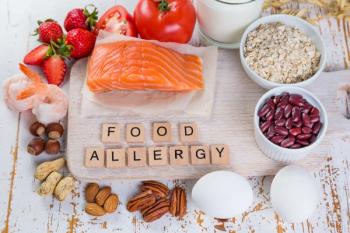
Experts note that, with cow’s milk allergies seemingly on the rise, pediatric health care providers can help parents be vigilant.

Peanut oral immunotherapy has been beneficial to children with peanut allergies. A new study looks at just how effective it is.
At the virtual 2021 American Academy of Pediatrics National Conference & Exhibition, Vivian Hernandez-Trujillo, MD, FAAP, FAAAAI, FACAAI, division director, Allergy and Immunology, and fellowship training program director, Allergy and Immunology at Nicklaus Children’s Hospital in Miami, Florida presents a session on best practices for preventing food allergies in newborns and infants.

A new study offers insight into what early-life risk factors can help predict future nut allergies.
Immunotherapy offers a way to reduce the number of reactions due to food allergies. However, many people are unaware of what it is, what it does, and the overall safety of the therapy.
Early exposure to potential allergens has been shown to help with food allergy. An investigation examines how quality of life might affect this exposure.