





Gregg Sylvester, MD, MPH, chief health officer at CSL Seqirus, discusses an FDA-approved cell-based flu vaccine for children as young as 6 months, trends in childhood vaccination rates, and how to prepare for the upcoming flu season.
Gregg Sylvester, MD, MPH, chief health officer at CSL Seqirus, discusses an FDA-approved cell-based flu vaccine for children as young as 6 months, trends in childhood vaccination rates, and how to prepare for the upcoming flu season.

Ian McGovern, Epidemiologist, Senior Manager at CSL Seqirus, discusses new data on influenza gathered in a recent study, and how influenza rates are expecting to rise in the 2022 to 2023 flu season.

In a recent report, the American Academy of Pediatrics discussed how influenza affects children and how it can be prevented.

Hospitalized children treated with early oseltamivir (Tamiflu, Gilead Sciences) for influenza had a shorter stay and were less likely to be transferred to an intensive care unit or require other treatment.

In a recent study, researchers found that text message reminders led to increased influenza vaccination rates, along with many receiving the vaccine sooner.

The American Academy of Pediatrics (AAP) has issued its recommendations for the upcoming influenza season, including guidance on administering the vaccine to patients with COVID-19.
How medical practices can create effective vaccination programs for the months ahead

Patient portals can be a powerful communication tool for both clinician and family, but can they also be used to improve uptake of the annual influenza vaccine?

Many pregnant women are given the season influenza vaccination to provide protection for both mother and child. A study examines whether this vaccination is linked to adverse health outcomes in childhood.

As the 2020-2021 influenza season loomed, many in health care worried that the seasonal disease would add to the extraordinary burden of coronavirus disease 2019 and create a perfect storm. Have various prevention strategies helped prevent this potential issue?

Improving influenza vaccination coverage is important for all children, but some are at greater risk for poorer outcomes. A review examines whether interventions can improve vaccine coverage.

A report examines if the influenza and pneumococcal vaccine has a protective effect against COVID-19.

Vaccine hesitancy has led to reductions in many childhood vaccines. A report offers insight into how it impacts influenza vaccination.

The influenza vaccine has been recommended as a key way to reduce severe influenza in children. An investigation examines how effective the 2018-2019 vaccine was in preventing hospitalization and emergency department visits.
The 2020-2021 influenza season will be a strange one because of COVID-19. The National Foundation for Infectious Disease (NFID) aired a webcast that addressed how important the influenza vaccine was going to be to keep people safe during uncertain times.

The influenza season is going to be here soon, which could make things difficult for a system already taxed by COVID-19. A new report illuminates the similarities and differences between COVID-19 and seasonal influenza.

MJH Life Sciences will be presenting the webinar “Battling dual threats: Flu and COVID-19 converge” as part of the MJH Life Sciences COVID-19 Coalition to address concerns about the looming potential health crisis.
The 2020-2021 influenza season is fast approaching and the American Academy of Pediatrics (AAP) has issued their annual recommendations.

The flu season appears to be tapering off, according to a new report from the Centers for Disease Control and Prevention. The season has been a particularly harsh one for pediatric patients.
Influenza season is full-blown and widespread, with higher hospitalization rates among children and young adults, according to the most recent surveillance report from the Centers for Disease Control and Prevention

Flu season is in full swing according to the latest data from the Centers for Disease Control and Prevention (CDC). The weekly surveillance indicates that activity is high but has not yet peaked for the season.

Discussing vaccination against influenza can go a few different ways. For parents who are either unconcerned with the influenza immunization or who had children who received it in previous seasons but still got influenza, a targeted, evidence-based patient education supported by the influenza immunization and hospitalization data could turn the tide.

New data from the Centers for Disease Control and Prevention (CDC) reveal how well influenza vaccine works in reducing hospitalization rates for serious disease among children.
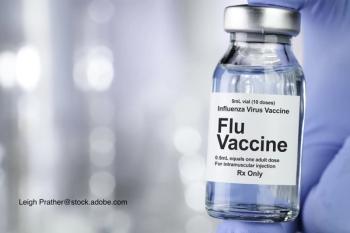
The AAP and ACIP have issued recommendations for the upcoming flu season, and they include the intranasal vaccine and a warning about watching carefully dosages on different brands of the vaccine.