




Influenza
Latest News
Advertisement
Latest Videos









Advertisement
More News

New research using a natural experiment design found consistent reductions in diagnosed influenza among vaccinated young children in every season studied from 2016 to 2023.

Raising pediatric flu vaccination to 70% could significantly reduce outpatient visits, hospitalizations, and deaths, easing strain on US systems.

The AAP released its 2026 childhood immunization schedule, maintaining evidence-based vaccine recommendations and expanding guidance across routine, catch-up, and risk-based care.

FDA clears first at-home test to detect RSV, influenza, and COVID-19 in infants as young as 6 months
FDA-cleared Flowflex Plus 4-in-1 home test detects RSV, influenza A/B, and COVID-19 in adults and children as young as 6 months.

Influenza antiviral use among hospitalized US children declined during the late COVID-19 pandemic despite guideline recommendations.

Pediatric influenza-associated deaths for the 2024-25 season were second-highest recorded since becoming notifiable in 2004.
Of the 253 influenza-related pediatric deaths through June 21, 2025, 42.7% occurred in children without a high-risk medical condition.
This week, HHS Secretary Robert F. Kennedy Jr signed the ACIP's recommendation to remove the mercury-based preservative from all influenza vaccines.

The American Academy of Pediatrics will continue to hold its own childhood vaccine schedule, as it has since the 1930s.
Donna Hallas, PhD, PPCNP-BC, CPNP, PMHS, FAANP, FAAN, breaks down key highlights of the latest double issue of Contemporary Pediatrics.

Needle-free treatments, such as Neffy and FluMist, offer promising alternatives for children and adults with needle phobia, ensuring access to critical care.

Reportedly, the child experienced mild symptoms and has received flu antivirals.

From 2017-2018, antiviral treatment of hospitalized children with influenza ranged from 70%-86%. In the 2023-2024 season, it was less than 60%.

Donna Hallas, PPCNP-BC, CPNP, PMHS, FAANP, FAAN, highlights key takeaways from our October Vaccine issue of Contemporary Pediatrics.

In a recent study, infants of mothers with an influenza infection during pregnancy were significantly more likely to experience febrile seizures, but not epilepsy.
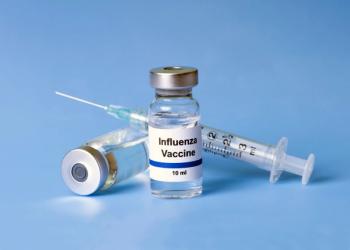
Trivalent seasonal influenza vaccines include 2 influenza A viruses (H1N1) and 1 influenza B virus.

In a recent study, infants of mothers with an influenza infection during pregnancy were significantly more likely to experience febrile seizures, but not epilepsy.

With this approval, FluMist becomes the first vaccine to prevent influenza that does not need to be administered by a health care provider.
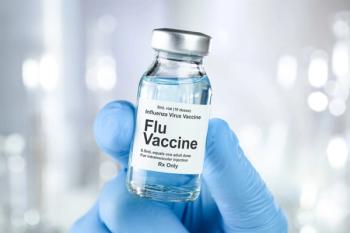
IIV3s, RIV3, and LAIV3 influenza vaccines are expected to be available.
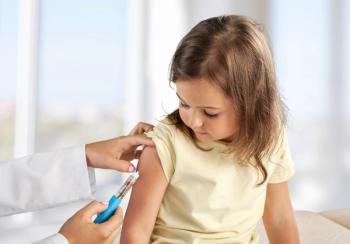
Among children born in 2020, vaccination coverage was 4 to 14 percentage points lower among those who were eligible for VFC versus non-eligible children.
ICD-10 accuracy varied by age of the patient, influenza season definition, time between onset and testing, and clinical setting.

Insights between the pandemics, with a highlight on the dose-response relationship, "could be valuable in preparing health care systems for future pandemics," concluded the investigators.

The investigators concluded that age-related risk differences "highlight the necessity for tailored strategies, improving understanding of and treatment development for RVIs."
According to the data, vaccination coverage in the United States has been lower in this influenza season compared to the previous season and to seasons before the COVID-19 pandemic.

Guidance now aligns with isolation recommendations for influenza and other respiratory illnesses.
Advertisement
Advertisement
Trending on Contemporary Pediatrics
1
Updated AAP guidance changes iron deficiency screening and treatment in children
2
FDA approves levacetylleucine as first treatment for ataxia in ataxia-telangiectasia
3
FDA grants priority review to efzimfotase alfa for hypophosphatasia in patients aged 2 years and older
4
Childhood unpredictability may identify mental health risk missed by ACEs screening
5