






Practice Improvement
Latest News
Advertisement
Latest Videos








Shorts

0:51
Why healthcare providers should value parents' online research
2 days ago
by
Lori Handy, MD, MSCE

0:40
Building credibility and trust with hesitant families
7 days ago
by
Lori Handy, MD, MSCE

0:36
Expanding recovery protocols to the NICU
2 months ago
by
Mehul V. Raval, MD, MS, MBA, FACS, FAAP

0:54
Debunking the medical myth: No food or drink after midnight
2 months ago
by
Mehul V. Raval, MD, MS, MBA, FACS, FAAP

0:41
How AI is actually being used in medicine
5 months ago
by
Ayman Chit, PhD

0:39
The gap in pediatric EMS: why family presence matters
6 months ago
by
Kathleen Adelgais, MD, MPH

0:37
Why young men are disappearing from health care
8 months ago
by
Arik Marcell, MD, MPH
Podcasts




Advertisement
More News

A study found that designating a Pediatric Emergency Care Coordinator significantly boosts EMS readiness, care coordination, and safety for young patients.

Early identification of X-linked hypophosphatemia can prevent long-term skeletal deformities and improve outcomes through timely initiation of targeted therapy.

A study found that pediatric patients meeting burn center referral criteria were more likely to receive specialized care.

Findings demonstrate high completion rates and overall acceptability of the EQ-5D-Y-5L in routine outpatient pediatric specialty care.

A study found that rural birth hospitals experienced a net loss in higher-level neonatal services from 2010 to 2022, widening disparities with urban facilities.

Meghan Drastal, MSN, MBA, RN, CPN, outlines CHLA’s data-driven strategies to improve workplace safety and pediatric de-escalation.
National data suggest universal high ED pediatric readiness may prevent 2,143 child deaths annually at modest per-child cost.

A study found that predischarge car seat tolerance screening was not associated with reduced 30-day mortality or hospital readmission among infants.

Experts are urging caution with pediatric melatonin use, citing rising consumption, inconsistent dosing, and limited long-term safety data.

AAP policy outlines when pediatricians may provide care to parents during child visits, emphasizing benefits, legal considerations, and documentation safeguards.

Get caught up with Contemporary Pediatrics! This list helps you navigate our top stories from the week, all in one place.

Preventive care declines from adolescence to young adulthood, with a subset of males remaining persistently disengaged from annual well visits.

Nicholas P. Marshall, MD, FAAP, discussed how generative AI can help streamline infectious disease workflows and enhance evidence-based care at IDWeek 2025 in Atlanta.

In our second interview with Peace Madueme, MD, he explains the types of conditions that frequently appear on ECGs, which are aiding routine sports physicals in youth athletes in Florida.

In this video, Jeanne Marconi, MD, highlights some of the challenges providers face when implementing mental health screenings.

"The financial cost should be minimal; if you can see 1 or 2 extra patients per month, the AI scribe should pay for itself."
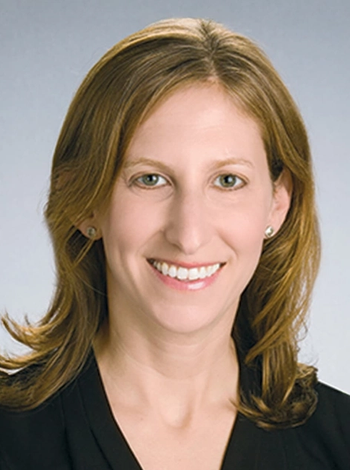
Lori Handy, MD, MSCE, highlights how pediatricians can better prepare families and systems for missed vaccines during the back-to-school rush.

Study results could guide future approaches to optimize service line definitions, according to the study authors.

Freely available measures may seem initially like a bargain, but their excess demands on staff time not only are expensive but often deter one of the central goals of well-child visits.

In this discussion, leading experts weigh in on the importance of scientific integrity, proactive advocacy, and the crucial role of vaccinations in pediatric health.
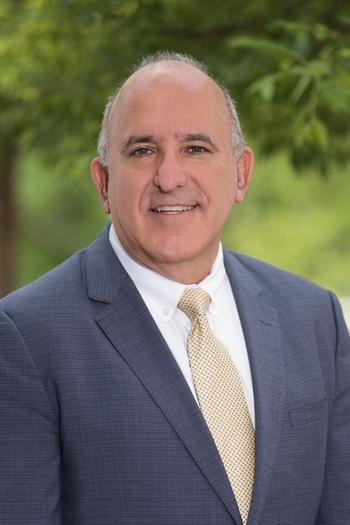
Nathan Kuppermann, MD, MPH, explains the different quartiles of the pediatric emergency department readiness scale, and why the top tier is so crucial for pediatric patients.

Look back at several quick video interviews discussing the expanding role of artificial intelligence, how RSV treatment has evolved, and much more.

Anger in health care affects both patients and professionals with rising violence and negative health outcomes, but understanding its triggers and applying de-escalation techniques can help manage this pervasive issue.

Paul Helmuth, MD, joined us to discuss potentially practical ways to implement AI in practice, as well as the importance of being transparent with families when using the evolving technology.

As providers, it’s imperative to reward engagement and build on the successes of the professionals who invest their time and talent into the mission of our organization.
Advertisement
Advertisement
Trending on Contemporary Pediatrics
1
CDC-backed surveillance finds 4 in 5 child deaths preventable across 7 high-mortality countries
2
Abbott launches first ready-to-feed whole milk infant formula in the U.S.
3
Vosoritide improves growth velocity in children with hypochondroplasia, phase 3 trial shows
4
Semaglutide improves BMI category in children aged 6 to 11 years in phase 3 trial
5