

Pediatric guidance for Deaf and hard-of-hearing children highlights 1-3-6 screening benchmarks, early intervention, early ASL exposure, and timely hearing technology for stronger language outcomes.
Pediatric guidance for Deaf and hard-of-hearing children highlights 1-3-6 screening benchmarks, early intervention, early ASL exposure, and timely hearing technology for stronger language outcomes.
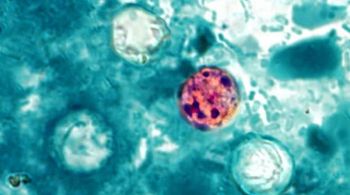
With a multistate cyclosporiasis outbreak underway this summer, pediatric providers should maintain a low threshold to consider Cyclospora cayetanensis in children with protracted or relapsing watery diarrhea.

An adolescent medicine specialist says pediatricians should proactively discuss social media skincare trends to help prevent skin irritation and misinformation.

The FDA granted priority review to obinutuzumab for relapsing/steroid-dependent pediatric INS, based on phase 3 INShore remission data
An adolescent medicine expert says social media skincare routines may increase skin irritation and atopic dermatitis in teens.

A 2-million-infant Swedish registry study found intramuscular vitamin K nonreceipt rose over 19 years and nearly tripled the odds of intracranial bleeding by 6 months.

FDA accepted BioMarin's sNDA to convert vosoritide's achondroplasia indication to full approval, with a PDUFA date of February 28, 2027.
FDA sent a letter urging infant formula makers to strengthen supply chain oversight after 2 US botulism outbreaks and a global cereulide contamination event.

Tralokinumab showed expected pharmacokinetics and no new safety findings in 28 children with moderate-to-severe atopic dermatitis.

The first infant has been screened in the THRIVE trial evaluating the VIASKIN Peanut Patch as an early intervention for peanut allergy.

A 10-year King County study found MMRV was the first vaccine for 15% of children, disproportionately Hispanic, Black, or VFC-eligible.

A matched cohort study found no meaningful difference in serious or outpatient infection risk between infliximab and adalimumab in pediatric IBD.
THRIVE has begun screening infants aged 6 to 12 months to evaluate whether early treatment with the VIASKIN Peanut Patch can alter peanut allergy.
VCA-894A received FDA rare pediatric disease designation for CMT2S, an ultrarare inherited neuropathy with limited treatment options.
Tegacorat received FDA orphan drug and rare pediatric disease designations for Duchenne muscular dystrophy.

A 2.6 million-pair Korean cohort found modest PPI/H2RA-IBD associations that vanished once sibling comparisons controlled for family factors.

Keep kids comfortable on summer trips with “fluid, fiber, flow”: smart hydration, fiber-forward snacks, movement breaks, and safe, half-packed meals to prevent constipation.
Saol resubmitted SL1009 to the FDA for PDCD after added survival analyses, with no new clinical trial reported.

FDA expanded wilate's label to routine prophylaxis in VWD patients aged 6 and up, based on phase 3 WIL-31 data showing an 84% drop in bleeding rate.

If approved, the expanded indication would make roflumilast cream 0.05% the first once-daily, steroid-free topical PDE4 inhibitor approved specifically for this age group.

A new Endocrine Society guideline suggests watchful waiting rather than immediate testing for many girls with early breast development, reserving full evaluation for those with rapid progression or growth acceleration.

About 25% of children with EoE also have joint hypermobility and orthostatic light-headedness, new Lurie Children's data show.
FDA cleared an IND for a NCATS-sponsored AAV9/SUMF1 gene therapy in multiple sulfatase deficiency, moving the ultra-rare disease toward its first-in-human trial.
FDA accepted Pharvaris's NDA for deucrictibant IR, an oral B2 antagonist for HAE attacks, based on phase 3 RAPIDe-3 data.

Pediatricians warn that fireworks, especially sparklers, are a leading cause of preventable injuries in children each summer. Here's what families should know to celebrate safely.

Take a quick look at everything you may have missed in June, including the top FDA approvals and latest clinical updates.

A protective lithium coin-cell battery may reduce severe injuries, but experts say prevention and emergency management remain essential.

Outdoor meals raise the risk of food poisoning. Here's how families can keep picnics, cookouts and beach days food-safe, from coolers to grill temperatures.

A look back at the FDA approvals, regulatory decisions, and pipeline updates in the pediatric health care space from June 2026.

The July 1, 2026 decision makes exagamglogene autotemcel the first gene therapy approved for SCD in children younger than 12 years.