

Early AK-OTOF trial data showed hearing improvements and favorable safety in children with OTOF-mediated hearing loss.
Early AK-OTOF trial data showed hearing improvements and favorable safety in children with OTOF-mediated hearing loss.

Third-trimester maternal COVID-19 vaccination reduced infant hospitalization risk, while prepregnancy vaccination showed no protection.

The FDA approved ocrelizumab for pediatric RRMS in patients 10 years and older after positive OPERETTA II trial results.

ABS-1230 entered phase 1b/2 testing for KCNT1-related epilepsy as Actio also joined the FDA Rare Disease Evidence Principles process.

Researchers identified macrophage-driven dural lymphatic refinement as a potential regulator of social behavior in ASD models.

More than 20,000 water bead ingestions in children younger than 6 years were reported over 6 years, with some cases requiring surgery.

Urine F2-isoprostanes were associated with more severe viral respiratory illness in infants across 2 independent cohorts.
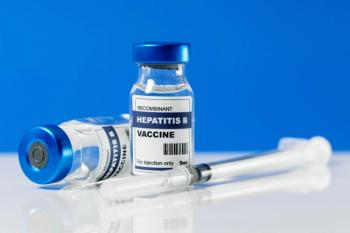
Modeling data suggest removing universal hepatitis B birth-dose vaccination could increase neonatal and chronic HBV infections in US infants.

Swedish trial data showed slow up-dosing peanut oral immunotherapy achieved sustained tolerance in most toddlers with peanut allergy.

Two-year data from the pivotal ApproaCH trial showed sustained growth improvements with TransCon CNP in pediatric achondroplasia.

Existing maternal cardiac risk models showed poor prediction of neonatal complications in pregnancies complicated by congenital heart disease.

New expert recommendations outline pediatric glucocorticoid dose reduction strategies after starting crinecerfont in classic CAH.

Rethink foster placements for high-need youth: track “safe days,” use data-driven supports, and access timely residential care to prevent harm.
The review found no credible evidence linking HPV vaccination to serious adverse pregnancy outcomes or other long-term health risks.

Take a quick look at everything you may have missed in April, including the top FDA approvals and latest clinical updates.

Explore essential menstrual product options and education for adolescents, addressing safety, comfort, and personal preferences in menstrual health.
FDA expands ASCENIV label to include pediatric patients aged ≥2 years with primary immunodeficiency, broadening earlier treatment access.
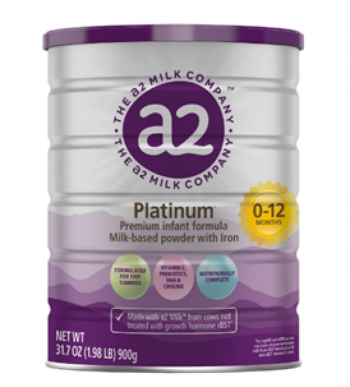
a2 Milk Company recalled 3 infant formula batches after detecting cereulide, a toxin that can cause rapid-onset gastrointestinal illness in infants.

FDA granted rare pediatric disease designation to SB-101 for urea cycle disorders, a cell-based liver therapy set for phase 1/2 testing.
FDA approved insulin glargine-aldy as an interchangeable biosimilar to Lantus for type 1 diabetes and adult type 2 diabetes.
FDA granted rare pediatric disease designation to investigational (Z)-endoxifen for McCune-Albright syndrome in girls.

Phase 3 sunRIZE trial of ersodetug in congenital hyperinsulinism missed its primary endpoint but showed CGM-based glycemic gains.

Don Arnold, MD, MPH, highlights how a nurse-driven guideline reduced time to phototherapy in neonatal jaundice care.

Two-year CAHtalyst data show crinecerfont sustains androgen reduction and lowers glucocorticoid doses in children with congenital adrenal hyperplasia.
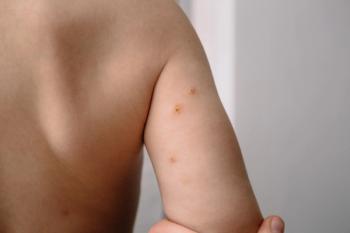
Phase 3 data show berdazimer gel improved lesion clearance vs vehicle in molluscum contagiosum with a favorable safety profile.

A look back at the FDA submissions and regulatory decisions in the pediatric health care space from April 2026.


Raising pediatric flu vaccination to 70% could significantly reduce outpatient visits, hospitalizations, and deaths, easing strain on US systems.

HOPE perfusion showed early graft survival signals in pediatric partial-graft liver transplantation, but data remain limited to small reports.
FDA cleared Earflo for children 2 years and older with negative middle ear pressure, expanding at-home autoinflation options.