

In a recent study, parents who reported frequently giving their children mobile devices for calming purposes reported increased emotional activity and temperamental surgency in their children.
In a recent study, parents who reported frequently giving their children mobile devices for calming purposes reported increased emotional activity and temperamental surgency in their children.

Both shorter and longer sleep duration were associated with fewer academic enables and lower academic skills and math grades.

In a recent study, it was found that lumbar punctures are not as common for late-onset sepsis, potentially leading to an underestimated figure when measuring cases and outcomes of late-onset meningitis.
The FDA has approved atezolizumab for use in patients aged 2 years and older with unresectable or metastatic alveolar soft part sarcoma.

Workplace factors play major role in determining job satisfaction, intention to leave.

In a recent report, the Centers for Disease Control and Prevention reported that the JYNNEOS vaccine for preventing monkeypox has not caused severe adverse events in patients aged under 18 years.

A study found that children with cerebral palsy were able to participate in a variety of activities, despite barriers presented.

The accurate prediction of EF trajectory phenotypes may determine personalization of prognosis and treatment in a pediatric population with acute myeloid leukemia.

A digital sleep strategy may reduce sleep problems for children.

Spleen size can vary significantly in pediatric patients with sickle cell anemia.

In a recent trial, pediatric patients taking butyrate supplements more often saw a significant reduction in body mass index than those taking placebo.

COVID-19 has altered expectations for health care delivery.

Boehringer Ingelheim and Eli Lilly have announced positive results from a phase 3 trial for Jardiance in reducing blood sugar levels in children with type 2 diabetes.
The REACH Institute announced that they have granted the Pediatric Mental Health Training Award to El Rio Health.

The US Food and Drug Administration has updated the emergency use authorization for bivalent COVID-19 vaccines to be available for children aged 6 months and older.

If the public health emergency expires, millions are set to lose health insurance.
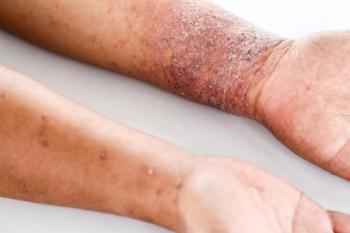
Adults with atopic dermatitis saw improved symptoms when taking dupilumab compared to placebo, regardless of the age when they first presented with the condition.

Pediatric care requires understanding, not only of the disease impact, but also its presentation and management in children.

They also found no statistically significant associations found for specific cardiovascular outcomes in relation to cardiac arrest or arrhythmias, cerebrovascular diseases, or myocardial infarction.

When surveyed on perception of care, parents’ responses differed based on racial, ethnic, and socioeconomic factors.

In a recent study, rates of urinary tract infections and invasive bacterial infections in infants aged under 60 days saw a downward trend monthly after the start of the COVID-19 pandemic.

Visits to primary care centers for mental health disorders saw an overall increase during the COVID-19 pandemic compared to a prepandemic period.

The AAP recently released a list of 5 frequent conditions in pediatric patients which often see unnecessary testing.
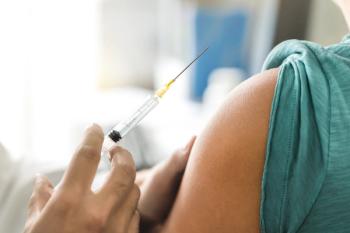
In a recent study, infants born from mothers vaccinated against influenza were less likely to be hospitalized from the disease than those born to unvaccinated mothers.

COVID-19 has caused millions of children worldwide to miss their measles vaccinations, putting them at increased risk of measles infection.

CMS publishes memo to reinforce safety standards for physicians, support staff, and patients.

This month’s top news stories.

In a recent study, it was found that individuals with public health insurance had worse health competence beliefs, reducing transition goals, expectations, and beliefs.

Research suggested no significant relationship between peanut sensitivity and AD severity as measured by two scores, although the study was acknowledged to have a smaller population due to pandemic restrictions.

In a recent study, benzodiazepine use for treating sleep disorders was associated with increased risk of drug overdose.