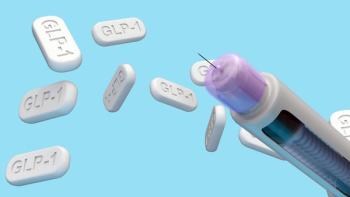
In a 48-patient phase 1b trial, ecnoglutide was well tolerated in adolescents with obesity and reduced BMI up to 12.6% at 20 weeks.
Ashley Shoemaker, MD, MSci, discusses the evolving clinical pathways for managing rare genetic and acquired hypothalamic obesity in pediatric patients.
In a recent interview with Contemporary Pediatrics, Ashley Shoemaker, MD, MSci, an associate professor of pediatrics and pediatric endocrinology at Vanderbilt Health, discussed the significant implications of the FDA’s March 19, 2026, approval of setmelanotide for the treatment of acquired hypothalamic obesity in patients 4 years and older.
This landmark decision marks the first approved targeted therapy for a population whose obesity is driven by direct biological disruption of the hypothalamus, often resulting from rare brain tumors such as craniopharyngiomas or their subsequent treatments, including surgery and radiation. For pediatric clinicians, this approval represents a shift in managing a condition once considered exceptionally treatment resistant.
Shoemaker emphasized that acquired hypothalamic obesity is a severe disease requiring early and proactive management rather than traditional lifestyle-based weight loss strategies, which are often ineffective against this specific biology. The mechanism of action of setmelanotide involves targeting the melanocortin-4 receptor (MC4R) pathway, effectively bypassing damaged hypothalamic signaling to regulate hunger and energy expenditure.
Shoemaker noted that patients treated in clinical trials experienced meaningful reductions in both hunger and body mass index, providing a therapeutic option where previously only supportive care existed. The clinical data supporting this use came from the global TRANSCEND trial, which demonstrated a striking 15.8% mean reduction in body mass index (BMI) from baseline at 52 weeks in the setmelanotide group.
This contrasted sharply with a 2.6% increase in BMI in the placebo group, yielding a statistically significant placebo-adjusted difference of 18.4%. Shoemaker highlighted that these outcomes were consistent with earlier phase 2 findings, in which nearly 90% of patients achieved a threshold of at least 5% BMI reduction.
Beyond the specific treatment of acquired hypothalamic obesity, Shoemaker’s insights underscore the broader need to incorporate genetic and biological evaluations into the workup for early-onset pediatric obesity. Identifying rare genetic causes—such as POMC, PCSK1, or LEPR deficiencies—or acquired hypothalamic damage allows for the use of specialized medications that address the root cause of the patient’s weight gain. Clinicians are encouraged to look for early-onset patterns as a more critical indicator for genetic testing than the absolute severity of the obesity.
While setmelanotide is generally well tolerated, Shoemaker advised monitoring for adverse effects such as skin hyperpigmentation, nausea, and more serious signals such as adrenal insufficiency or sodium imbalances in patients with preexisting endocrinopathies. Ultimately, this new era of targeted medicine offers a path toward improving lifelong health outcomes for children with these rare, biologically driven forms of obesity.
Relevant disclosures for Shoemaker include Rhythm Pharmaceuticals and Chiesi USA.
Reference
Rhythm Pharmaceuticals announces FDA approval of Imcivree (setmelanotide) for patients with acquired hypothalamic obesity. News release. Rhythm Pharmaceuticals. March 19, 2026. Accessed March 19, 2026. https://ir.rhythmtx.com/news-releases/news-release-details/rhythm-pharmaceuticals-announces-fda-approval-imcivreer-1