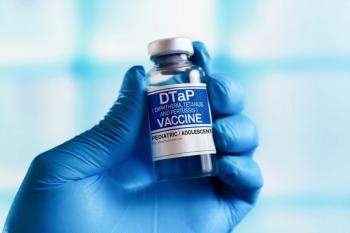
Completing the DTaP primary series was 96.2% effective against pertussis in Alaska children aged 6 months to 6 years during a record 2024 outbreak.
A nationwide analysis of nearly 300,000 infants found that maternal RSV vaccination reduced severe infant hospitalizations by over 80%.
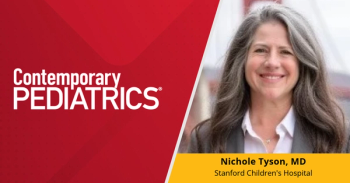
In a recent interview with Contemporary Pediatrics, Conall Watson, PhD, MSc, consultant epidemiologist at UK Health Security Agency, discussed findings from the first season of a national respiratory syncytial virus (RSV) maternal vaccination program in the United Kingdom, designed to protect infants from severe RSV infection.
RSV is a leading cause of infant hospitalizations, particularly during winter months, with approximately 20,000 infants admitted annually in the United Kingdom before the program, along with many more emergency department visits. The illness often presents with bronchiolitis, breathing difficulties, and feeding challenges, creating significant concern for parents and burden on health care systems.
Launched in September 2024, the UK program vaccinates pregnant women beginning at 28 weeks’ gestation, aligning with World Health Organization recommendations. This timing differs from programs in the Americas, which typically administer vaccines between 32 and 36 weeks of pregnancy. Another distinguishing feature of the UK approach is its year-round implementation, rather than a seasonal strategy, ensuring all infants have an opportunity for protection regardless of birth timing.
The evaluation followed nearly 300,000 infants and demonstrated that maternal RSV vaccination provided over 80% protection against hospitalization for severe RSV infection. These findings are particularly reassuring given that roughly half of all infants are infected with RSV within their first year of life, and disease severity can be unpredictable. The program offers a proactive way to reduce the risk of severe illness during a highly vulnerable period in early infancy.
Most of the data reflect outcomes in infants younger than 3 months, the age group at greatest risk because of their small airways and limited immune defenses. The results indicate that vaccination is especially effective in protecting these youngest and most vulnerable infants from severe respiratory complications.
Importantly, the study also found strong protection among preterm infants, provided there was at least a 2-week interval between maternal vaccination and birth. In these infants, the protection rate was 69.4%.
Further analysis showed that longer intervals between vaccination and delivery—particularly 4 weeks or more—were associated with even greater protection rates, approaching 85%. These findings highlight the importance of administering the vaccine as early as possible within the recommended window to maximize antibody transfer from mother to infant.
Overall, the first season of the UK’s maternal RSV vaccination program demonstrates substantial effectiveness in preventing severe disease and hospitalizations in infants. The results support early third-trimester vaccination and provide valuable insights for optimizing immunization strategies in both the United Kingdom and other regions implementing similar programs.
This video is part 1 of a 2-part series. Check back tomorrow for part 2.
No relevant disclosures.
Reference
Maternal RSV vaccination cuts infant hospitalization risk by over 80%, major UKHSA study finds. Beyond. April 17, 2026. Accessed April 17, 2026.