Poison center reports of intentional school exposures rose 287% in elementary and 112% in middle school children from 2000 to 2024.
Mary Beth Howard, MD, MSc, says rising injury rates among young adolescents reflect a mismatch among rider maturity, high-speed devices, and unsafe riding environments.
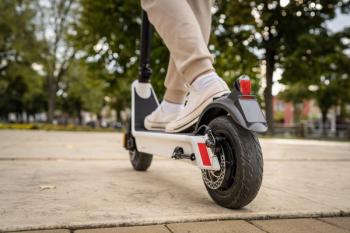
Rising rates of pediatric e-scooter injuries—particularly among boys aged 11 to 14 years—reflect a convergence of developmental, environmental, and behavioral risk factors, according to Mary Beth Howard, MD, MSc, assistant professor at Johns Hopkins Medicine.
Early adolescents are at heightened risk because of ongoing cognitive and behavioral maturation. At this stage, youth often exhibit increased risk-taking, limited judgment, and relatively little experience navigating traffic environments. These developmental traits are compounded by the fact that e-scooters can reach greater speeds than traditional scooters or bicycles, creating a mismatch between rider capability and device performance.
Environmental conditions further amplify this risk. Many children ride e-scooters in mixed-traffic settings without access to protected infrastructure such as dedicated bike lanes. Urban environments, where scooter availability is often highest, may lack safe spaces designed for younger riders, increasing the likelihood of collisions and falls.
Behavioral and equipment-related factors—including low rates of helmet use, limited safety awareness, and unsafe riding practices—add another layer of vulnerability. These risks frequently intersect, particularly in unsupervised settings, leading to a compounded injury burden.
Clinically, most e-scooter injuries in pediatric populations involve musculoskeletal trauma and soft tissue damage. However, more severe outcomes—including head injuries and internal organ damage—can occur, especially at higher speeds and in the absence of helmet use.
Emergency department encounters should reflect an awareness of the greater velocity and injury potential associated with e-scooters compared with traditional devices. These visits also present important opportunities for targeted injury prevention counseling.
Disparities in injury rates are also evident, with Black and Hispanic children disproportionately affected. Although adjusted analyses do not show higher hospitalization rates in these groups, the disparity likely reflects differences in exposure and environment rather than intrinsic patient factors.
Greater use of e-scooters for transportation, increased urban density, limited access to protective equipment, and inequities in infrastructure—such as fewer protected riding lanes—may all contribute. These findings underscore the importance of addressing upstream social and environmental determinants of injury risk.
Prevention strategies require a multifaceted approach. Helmet use remains a key, evidence-based intervention, supported by data from bicycle safety research demonstrating reduced risk of serious head injury. Pediatricians can incorporate anticipatory guidance into routine care by counseling families on helmet use, adherence to traffic rules, and awareness of speed risks. At the policy level, advocacy for the enforcement of helmet laws, age restrictions, and speed limits is critical.
Environmental interventions, including the development of protected bike lanes and safer riding spaces, are also essential. Pediatric clinicians can play a vital role in advancing these changes by leveraging clinical experience and patient narratives to inform public health and policy efforts.
No relevant disclosures.
Reference
Study finds rising rates of electric scooter injuries, with racial and ethnic disparities among those harmed. News release. Johns Hopkins Medicine. April 7, 2026. Accessed April 13, 2026.