

Opinion|Videos|February 3, 2025
Setting Goals for Pediatric Atopic Dermatitis Treatment
Panelists discuss the goals of treating atopic dermatitis, focusing on symptom control and quality of life, with treatment differing for children and adults, and emphasize using assessment tools such as Eczema Area and Severity Index (EASI)-75/90, Investigator Global Assessment (IGA), and itch scores alongside patient-reported outcomes to guide decisions while also considering disease severity and the impact of atopic comorbidities in treatment approaches.
Advertisement
Episodes in this series
Video content above is prompted by the following:
- What are the goals of treatment for a patient with atopic dermatitis?
- How do treatment goals differ for atopic dermatitis in the pediatric population compared with adults?
- How do you leverage standard assessment tools such as EASI-75/90, IGA, and itch scores vs patient- and caregiver-reported outcomes?
- When considering disease severity and a treatment approach, how do you determine systemic eligibility in a pediatric patient?
- Does the presentation of atopic comorbidities dictate a treatment approach?
Advertisement
Related to this article

Researchers discuss how testosterone changes during early puberty may influence depression and anxiety symptoms in girls and implications for pediatricians.

A Mott Poll of 2,027 parents found 81% say having a baby costs too much; 73% strongly back state paid leave around birth.

In phase 3 SHINE-2, 50% of mirikizumab induction responders aged 6 to 17 with moderate to severe UC were in clinical remission at week 52.

Review some of the top stories from the Contemporary Pediatrics website over the last week, and catch up on anything you may have missed.
Learn when your baby is ready for solids, choose safe purees or finger foods, prevent choking, prioritize iron, and introduce allergens confidently.

Christina Boull, MD, shares recommendations for infant skin care, including choosing gentle cleansers, avoiding irritants, and supporting the skin barrier.
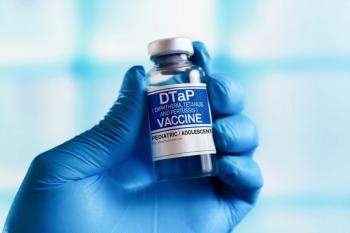
Completing the DTaP primary series was 96.2% effective against pertussis in Alaska children aged 6 months to 6 years during a record 2024 outbreak.

Keisha L. Gibson, MD, MPH, discusses the FDA approval of Gazyva for childhood-onset INS and its implications for relapse prevention and pediatric care.
Advertisement
Advertisement
Trending on Contemporary Pediatrics
1
Hand, foot, and mouth disease: Red flags pediatricians should know
2
Infant skin care: Choosing products that protect the skin barrier
3
Testosterone changes linked to emotional distress in pubertal girls
4
Mirikizumab meets 1-year remission end point in pediatric UC
5