

Opinion|Videos|February 24, 2025
Patient and Caregiver Advice for Navigating Atopic Dermatitis
Panelists discuss offering guidance to parents and caregivers experiencing atopic dermatitis for the first time, emphasizing the importance of education on managing flare-ups, proper skin care routines, and setting realistic treatment expectations while also seeking support from health care professionals to navigate the challenges of the condition.
Advertisement
Episodes in this series
Video content above is prompted by the following:
9. What advice do you have for parents and caregivers who may be experiencing atopic dermatitis for the first time?
Advertisement
Related to this article

Review some of the top stories from the Contemporary Pediatrics website over the last week, and catch up on anything you may have missed.
Schools without stock epinephrine were over 4 times as likely to lack a device in an allergic emergency, a survey of 349 school nurses found.
In a matched cohort of children aged 6 and younger with EoE, dupilumab was linked to less incident asthma than swallowed budesonide (10.5% vs 16.2%).

Non-English-speaking families were far less likely to introduce peanut by 6 months (OR, 0.21) in a 3,170-child study presented at ACAAI 2026.
In an ACAAI 2026 survey, 85% of clinicians knew food allergy panels often yield false positives, yet many ordered them for unvalidated uses.
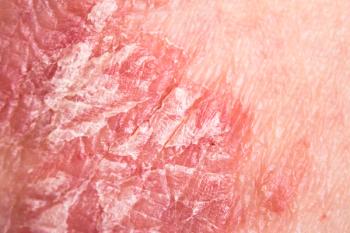
Full OptIMMize-1 results show high skin clearance rates with risankizumab in children and teens with psoriasis, sustained through 52 weeks.

Classroom engagement scores in digital gradebooks predicted substance use by eighth grade better than GPA (cross-validated AUC, 0.79 vs 0.63).

Children living more than 60 miles from their surgical hospital had higher complication odds and longer stays after common procedures.
Advertisement
Advertisement
Trending on Contemporary Pediatrics
1
Exploring AhR agonists in pediatric atopic dermatitis
2
Contemporary Pediatrics week in review: November 9-13, 2026
3
Clinicians order food allergy panels despite false-positive risk
4
Dupilumab for early EoE linked to lower asthma risk in young children
5