
Persephone's ARTEMIS trial found its Bifidobacterium-HMO synbiotic safe and effective at gut colonization in 114 infants and toddlers.
Persephone's ARTEMIS trial found its Bifidobacterium-HMO synbiotic safe and effective at gut colonization in 114 infants and toddlers.

Can you guess the diagnosis?

Review some of the top stories from the Contemporary Pediatrics website over the last week, and catch up on anything you may have missed.

Get back-to-school pediatric guidance on vaccine updates, infection FAQs, screen time and mental health, nutrition changes, and standout cases to watch this year.
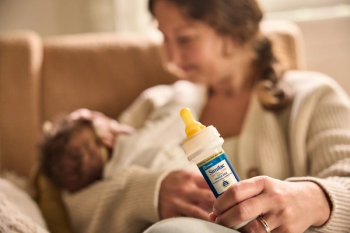
Abbott launches Similac 360 Total Care Made With Whole Milk, the first commercially sterile, ready-to-feed liquid formula made with whole milk sold in the US, priced near its powdered line.

A recap of the top FDA approvals, authorizations, and regulatory decisions affecting pediatric care during August 2026.

Five rapid developments — new mRNA flu vaccine, CDC director, ACIP/NVAC charters, a vaccine order, and an HHS RFI — roil the 2026 schedule.

Court fight over CDC 2026 childhood vaccine schedule shifts shots to shared decision-making; experts warn lower uptake for Hep A, B, flu, COVID.

A content analysis of 159 picture books found food often symbolized family connection and culture more than nutrition alone, according to Carol Duh-Leong, MD, MPP.

The FDA approved zilganersen (Zanvastro) for Alexander disease in patients from infancy through adulthood, based on Phase 1-3 gait speed data.

New evidence supports influenza, COVID-19, and RSV immunizations for reducing severe respiratory illness and hospitalization.

CDC's 2025 NIS-Teen data show HPV vaccine coverage flat for a fourth year, with rural adolescents 12 points behind urban peers in receiving ≥1 dose.

The AAP's 2026-2027 policy recommends universal vaccination for infants 6-23 months and a risk-based single dose for children 2-18 years.

Can you guess the diagnosis?

AAP guidance expands RSV immunization eligibility for children aged 8 through 19 months at high risk of severe disease.
Semaglutide cut testosterone by half in early trial data — but one patient's rapid weight loss revealed a real risk. Our experts weigh the promise of GLP-1 therapy against how fast is too fast for teens.
Which labs actually change management? Our experts debate fasting insulin versus A1c, explain why total testosterone can mislead, and share the LH-to-FSH trick that helps settle ambiguous cases.

Take a quick look at everything you may have missed in August, including the top FDA approvals and latest clinical updates.
Most patients meet PMOS in a primary care office first. Our experts map the referral threshold and argue insulin resistance — not just androgens — should drive how aggressively PCPs treat.
Ovarian ultrasound doesn't apply to teens. Our experts walk through the 2-criteria threshold for adolescents, the "at risk" category, and why untreated menstrual irregularity carries real long-term consequences.
A global Lancet consensus just renamed PCOS to PMOS. Our experts explain why the shift moves care beyond the ovaries — and what it means for how clinicians talk to patients today.

Back-to-school visits close vaccine gaps fast—MMR, Tdap, meningococcal, HPV, plus flu/RSV prevention before illnesses surge.

Review some of the top stories from the Contemporary Pediatrics website over the last week, and catch up on anything you may have missed.

Bradley Peterson, MD, discusses when pediatricians should consider adding a second treatment for pediatric anxiety and why improvement may continue well beyond the first 3 months of therapy.

The AAP's updated clinical report revises screening timelines, ferritin thresholds, and treatment protocols for pediatric iron deficiency and iron deficiency anemia.
CDC has declared the Nara Organics infant botulism outbreak over; genetic testing ties it to the 2025 ByHeart outbreak.
Bradley Peterson, MD, discusses how treatment preferences, access, tolerability, and patient characteristics can guide pediatric anxiety care when CBT and medication provide similar overall benefits.

Lori Handy, MD, says vaccine conversations with hesitant families should prioritize trust, follow-up, and the benefits for the individual child.
CBT and fluoxetine both reduced pediatric anxiety, while starting with CBT before adding medication showed advantages on several outcomes.