
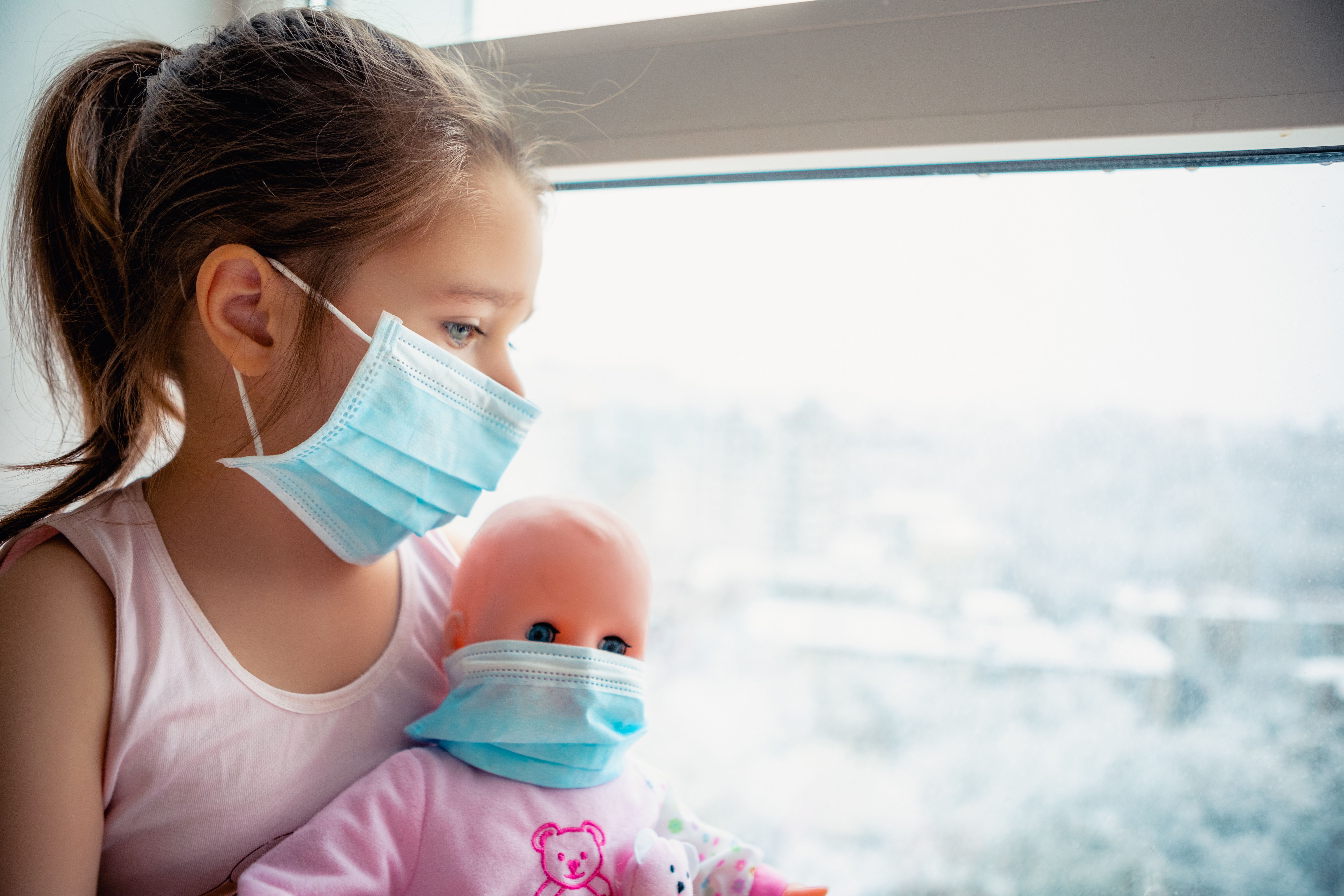
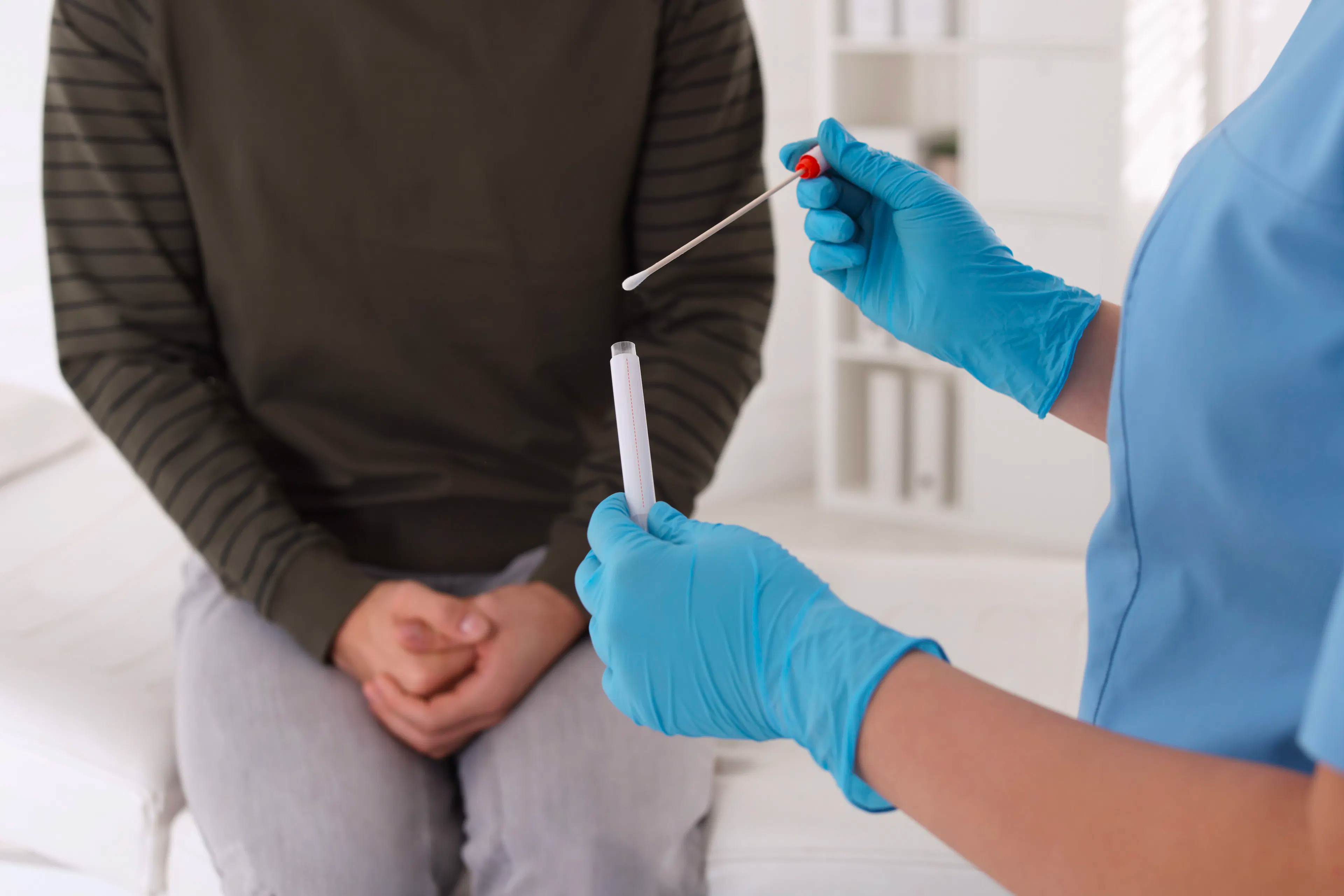




While the study detected a rise in chronic symptoms among children who developed post-COVID-19 condition, the likelihood of initial development was minimal.
While the study detected a rise in chronic symptoms among children who developed post-COVID-19 condition, the likelihood of initial development was minimal.

Steven Selbst, MD, provides an update as to what he is seeing in the emergency department related to influenza, RSV, and COVID-19.
The estimated efficacy of the vaccine against documented infection for children and adolescents during the Omicron wave was 74.3% and 85.5%, respectively.

Biopharmaceutical company, Invivyd, made the request to the FDA for its investigational antibody, VYD222.
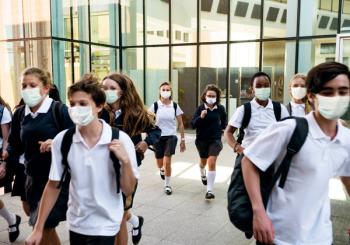
In 43 of 154 school weeks, air samples were positive for influenza A virus (IAV) while SARS-CoV-2 was positive in air samples in 101 of 154 school weeks.
A recently published study on 17 million children found combined flu and COVID-19 vaccines offered superior protection against hospitalization, MIS-C, and death during the pandemic.
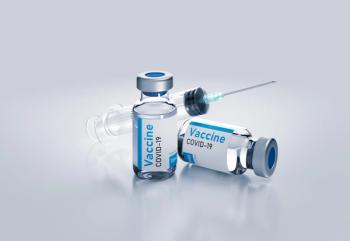
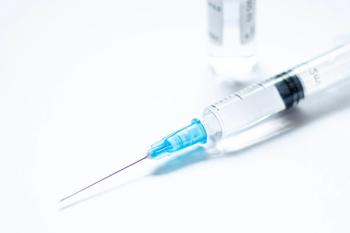
The FDA was made aware some health care providers had administered the full single dose vial of the vaccine, which contains “notably more” volume than the 0.25 mL volume indicated for children aged 6 months to 11 years.

The combination vaccine candidates demonstrated a safety profile consistent with Pfizer’s COVID-19 vaccine. A phase 3 trial is anticipated to commence in the coming months, according to a press release from Pfizer.
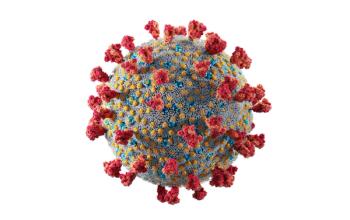
Eculizumab and anakinra should be considered in critically ill patients with severe infections that require immunomodulating therapies for life-threatening dysregulation, according to a poster session at the 2023 American Academy of Pediatrics National Conference & Exhibition.

Review some of the top stories from the Contemporary Pediatrics website over the last week, and catch up on anything you may have missed.
Individuals 12 years and older can now receive the Novavax COVID-19 Vaccine, Adjuvanted (2023-2024 Formula) (NVX-CoV2601) to protect against variants that are currently circulating, after receiving an Emergency Use Authorization from the FDA.

*Co-first authorship was earned, as each equally contributed to the methodical and rigorous review of the literature, writing, and editing of this article.
Review some of the top stories from the Contemporary Pediatrics website over the last week, and catch up on anything you may have missed.
The number of children who received a T1D diagnosis did not differ from children with and without SARS-CoV-2 infection.
Review some of the top stories from the Contemporary Pediatrics website over the last week, and catch up on anything you may have missed.
According to a recent Morbidity and Mortality Weekly Report, the original COVID-19 monovalent and bivalent vaccines helped reduce emergency department or urgent care encounters for children aged 6 months to 5 years.

Children followed up with at 5 years of age that were exposed to the COVID-19 pandemic were 4.39 months behind in overall childhood development, whereas children followed up with at 3 years of age demonstrated positive associations.

In this Contemporary Pediatrics® interview, Samir Gautam, MD, (Pulmonary, Critical Care and Sleep Medicine), Yale School of Medicine, senior author of a recently published study in the Journal of Allergy and Clinical Immunology: In Practice, reviews key findings of the study and explains how they relate to the pediatric population. Watch the full interview below.
Previously available under an Emergency Use Authorization, the combination test can detect and distinguish COVID-19, influenza A/B, and respiratory syncytial virus (RSV). The clearance comes ahead of respiratory season, which, according to BD, could result in another “tripledemic” threat.
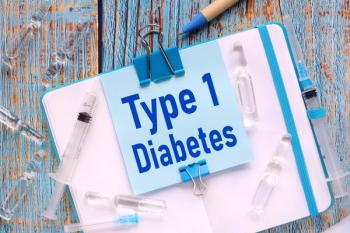
Further studies are needed to determine if vaccination should be considered in children at risk for type 1 diabetes (T1D), as a COVID-19 diagnosis among children was associated with an increased incidence of T1D, according to a recent study.
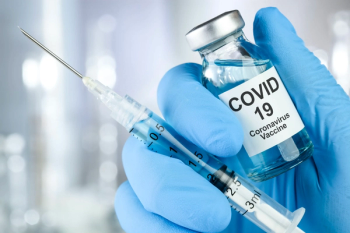
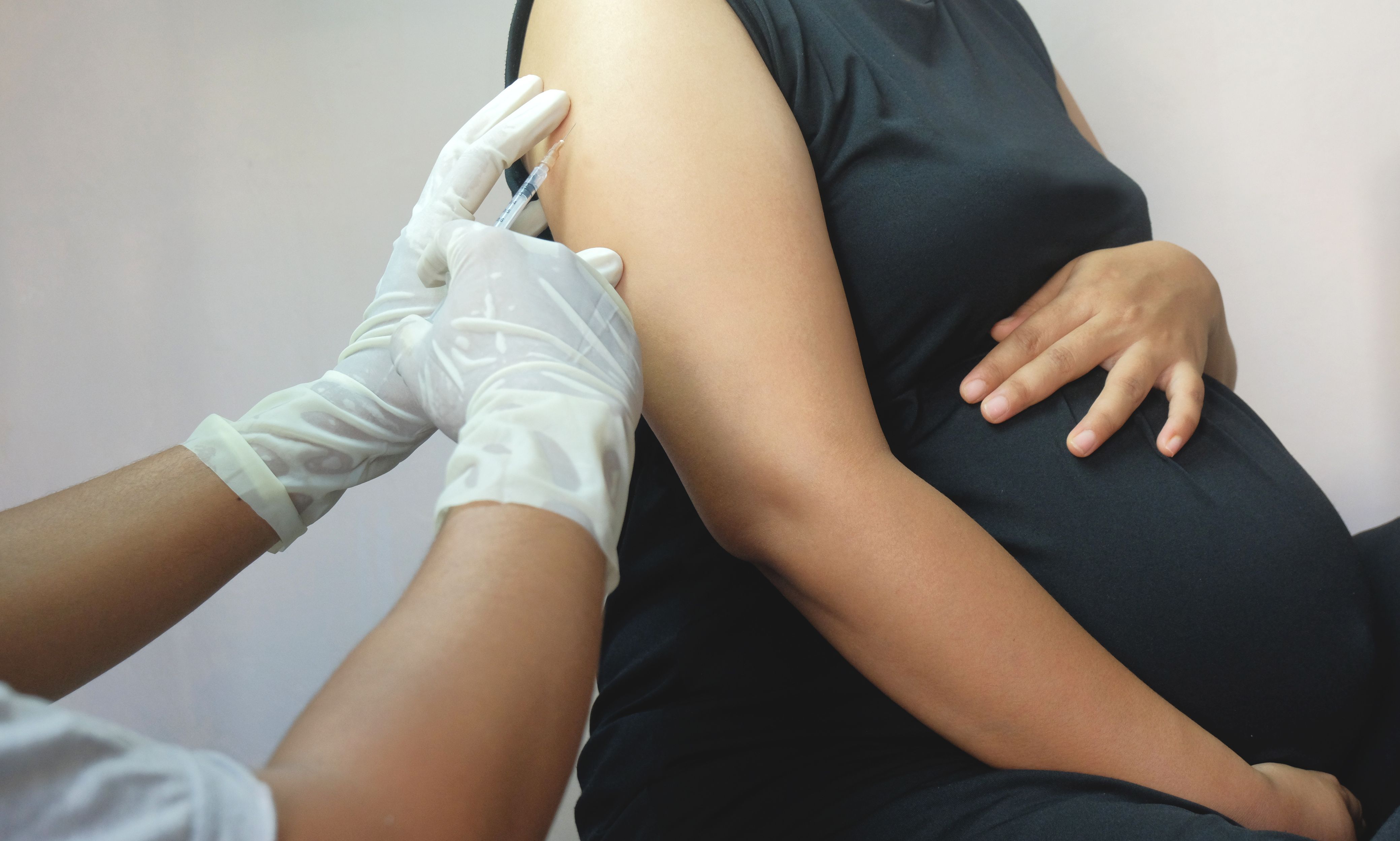
In a recent study, higher immunoglobulin G titers were seen in infants of mothers who received messenger RNA COVID-19 vaccination during pregnancy.
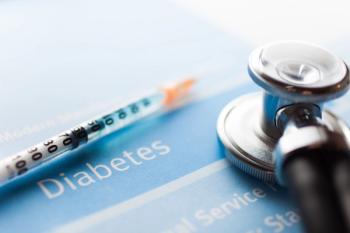
A follow-up to an earlier study, the latest research leveraged EHR data from medical centers in North Carolina and concluded incident cases of type 1 diabetes increased nearly 50% and incident cases of type 2 diabetes more than doubled in 2021-2022 relative to prepandemic years.

Overall, results from the report demonstrated that cannabis-involved emergency department (ED) visits for individuals under 25 years increased during the pandemic. For those aged 10 years or younger, the weekly number of cannabis-involved ED visits during the pandemic far exceeded the number of visits observed prepandemic.
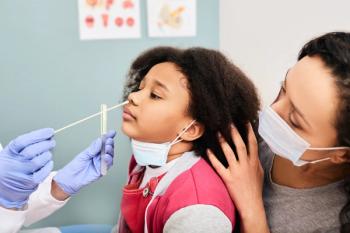
More symptoms, older age, and longer hospitalization time increased the risk of post-COVID-19 conditions (long COVID) in children.
The findings showed that heterologous vaccination, or mixing different vaccines, was safe and effective, with the Novavax vaccine (NVX-CoV2373) providing enhanced protection against the Omicron variant.