





As more children return to the pediatric office, the need to create safety protocols is imperative. The American Academy of Pediatrics (AAP) has created guidance for developing them.
As more children return to the pediatric office, the need to create safety protocols is imperative. The American Academy of Pediatrics (AAP) has created guidance for developing them.
Overall, COVID-19 is disproportionately impacting minority populations in the United States. A report examines if this holds true in the pediatric population.

The influenza vaccine has been recommended as a key way to reduce severe influenza in children. An investigation examines how effective the 2018-2019 vaccine was in preventing hospitalization and emergency department visits.

Quality improvement initiatives frequently tackled catheter-related infections. A report examines the trends over the past several years on these infections in critically ill children.
Catching congenital cytomegalovirus can help improve the outcomes for affected children. A presentation at the virtual 2020 American Academy of Pediatrics National Conference & Exhibition shares insights on screening and treating the infection.

At the virtual 2020 American Academy of Pediatrics National Conference & Exhibition, Dr Saul R Hymes discusses how climate change directly impacts infectious disease in children.
Dr Anthony Fauci speaks on "COVID-19: Public Health and Scientific Challenges" at the virtual 2020 American Academy of Pediatrics (AAP) National Conference & Exhibition
The 2020-2021 influenza season will be a strange one because of COVID-19. The National Foundation for Infectious Disease (NFID) aired a webcast that addressed how important the influenza vaccine was going to be to keep people safe during uncertain times.

Identifying febrile children who have a life-threatening infection in an emergency department isn’t easy. An investigation looks at whether a new assessment can improve that identification.

Contemporary Pediatrics sat down with Cori Cross, MD, to discuss how families can start to bring back screen time and media use back to pre-lockdown levels.

An "info-demic" has muddied the waters of what is true and what is false about COVID-19. A new webinar from MJH Life Sciences can clinicians sort through fact and fiction.

Do providers feel like they have successfully adapted to providing telehealth services, as compared to the beginning of the pandemic?

Growing evidence indicates that COVID-19 impacts more than the respiratory system. Clinicians should keep an eye out for dermatologic conditions that may be associated with the illness.
Human papillomavirus (HPV) vaccination coverage has lagged in the United States. A report looks at whether the coverage will meet the Healthy People 2020 goal.

Dr. Tina Tan addresses the recent change that allows pharmacists to administer vaccinations to pediatric patients.
The influenza season is going to be here soon, which could make things difficult for a system already taxed by COVID-19. A new report illuminates the similarities and differences between COVID-19 and seasonal influenza.
MJH Life Sciences will be presenting the webinar “Battling dual threats: Flu and COVID-19 converge” as part of the MJH Life Sciences COVID-19 Coalition to address concerns about the looming potential health crisis.

COVID-19 has brought telemedicine to the forefront of medical care. Here's some strategies that can help streamline the process, using teamwork.
The 2020-2021 influenza season is fast approaching and the American Academy of Pediatrics (AAP) has issued their annual recommendations.
As many children have returned to school, are pediatricians giving patients information on how to keep safe?
Contemporary Pediatrics sat down with Andrew J. Schuman, MD, to discuss vaccine hesitancy and how those sentiments could impact the future COVID-19 vaccine.

The total psychological toll of the COVID-19 pandemic may not be known for years, but a report sheds some light on how it’s impacted the families of hourly employees in some of the industries hardest hit by the lock-downs.

The Healthy Choices intervention has been shown to be effective with managing HIV, but is it better when provided at home or in the clinic? A new report sheds some light.
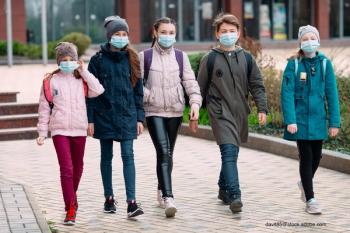
The COVID-19 pandemic has irrevocably altered the childhoods of children around the world. Dr. Andrew Schuman examines the lessons we can learn from this experience.
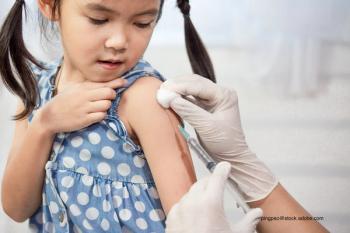
This is the critical moment in time for all health care providers to proactively stop this potential public health nightmare by speaking with all parents and adolescents about the absolute need for everyone to receive the influenza vaccine.