




A look at how we learned to protect ourselves and our patients from COVID-19 over the past year.
A look at how we learned to protect ourselves and our patients from COVID-19 over the past year.

Several reports coming out of the United Kingdom are suggesting that the newest variant of COVID-19 might be more infectious for children.

The National Institutes of Health award 8 research grants to develop ways to identify children at high risk for multi system inflammatory syndrome I children (MIS-C).

Social distancing measures may have helped slow the spread of COVID-19 in the early days of the pandemic, but an investigation indicates an unintended and potentially problematic consequence: a decline in vaccination.

Many changes have happened in medical care to protect patients and prevent further spread of COVID-19. An investigation looks at whether newborns can be roomed-in with and breastfed by mothers who have been infected.
One of the chief concerns with schools being closed was how it would impact children who need certain services or lacked access to basic needs such as food and shelter. A study looks into how state-level guidance addressed these concerns when schools reopened in the fall.

The NIH starts observational study of COVID-19 and MIS-C in children
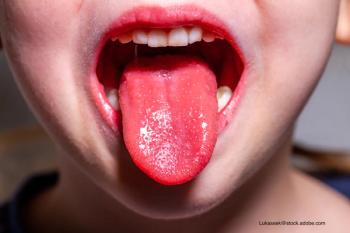
Diagnosing multisystem inflammatory syndrome in children (MIS-C) has not always been easy. A new report indicates that mucocutaneous findings might aid in diagnosis.

The American Academy of Pediatrics (AAP) has updated their guidance on participating in sports during the COVID-19 pandemic.
Following the green light from the vaccine advisory committee, the US Food and Drug Administration has given emergency use authorization for the Pfizer/BioNTech COVID-19 vaccine, making it the first vaccine for COVID-19 approved for use in the United States.
The US Food and Drug Administration (FDA) vaccine committee has given the green light to the the Pfizer/BioNTech vaccine, meaning approval may happen in a matter of days.

Multisystem inflammatory syndrome in children (MIS-C) is a serious consequence of COVID-19. Is the risk of it equal to all children or does race/ethnicity play a role?

A teenager shares how students can connect, even in the COVID era.

CDC guidelines to keep you and your practice safe from COVID-19 infection.

Despite public health agencies warning against gathering for Thanksgiving, many families are still planning to do so. A new poll offers some insight on why parents still plan to gather and what they are doing to try to keep everyone safe.
A new study examines the epidemiology of pediatric COVID-19 cases in a large cohort.
Infectious Disease Society of America offered a look at the current treatment options for COVID-19 and stressed the need to maintain precautions to keep people safe.

The debate over schools re-opening during the pandemic hasn’t abated and isn’t likely to with the start of a third wave. A model offers insight into how the school disruptions may impact the life expectancy of the affected children.

Dr. Tan shares her 3 must read articles in the November 2020 issue of Contemporary Pediatrics.
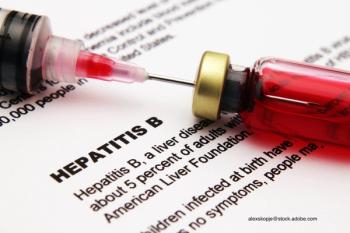
The hepatitis B vaccine represents the best way to prevent the disease, which has no cure. An investigation looks at how long vaccine-linked immunity might last.

A presentation at the virtual 2020 American Academy of Pediatrics National Conference & Exhibition offered a case-based format to highlight several important clinical pearls relating to optimizing antimicrobial use in the outpatient and inpatient pediatrics settings.

Recommendations on the diagnosis and management of community-acquired pneumonia.
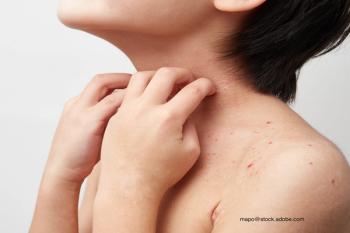
Dermatologic findings in the age of COVID-19, plus lots more at the 2020 American Academy of Pediatrics National Conference & Exhibition.

Vaccine hesitancy has led to reductions in many childhood vaccines. A report offers insight into how it impacts influenza vaccination.
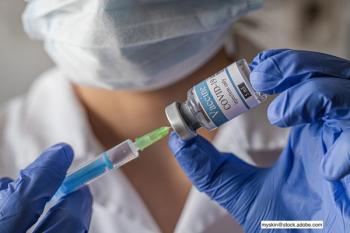
Pfizer and BioNTech have released interim information on their Phase 3 COVID-19 vaccine trial.