



Sexually Transmitted Diseases
Latest News
Advertisement
Latest Videos




Advertisement
More News

Administration of the HIV-1 specific, non-nucleoside reverse transcriptase inhibitor (NNRTI) to the indicated population can be done via 25 mg oral tablets or new 2.5 mg oral tablets, developed to help administration and weight-adjusted dosing for children.

Discover effective counseling techniques and overcome barriers to empower adolescents in making informed decisions about contraception, fostering trust, confidentiality, and autonomy in reproductive health care.
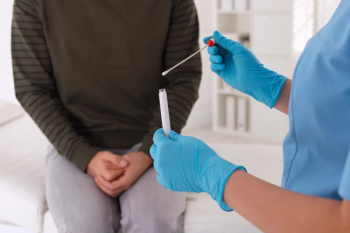
Investigators recently noted that despite a decrease in adolescent hospital visits during the height of the pandemic, there was an increase in sexually transmitted infections (STIs) in this population group.
Highlights from the latest report on STIs from the Centers for Disease Control and Prevention.

Despite efforts to enhance communication between clinics and community groups, a study finds no significant improvement in parental knowledge and attitudes toward HPV vaccination during children's primary care visits, highlighting the persistent challenge of low vaccine uptake in the United States.

A total of 3761 cases of congenital syphilis were reported to the CDC in 2022, with the lack of timely testing and adequate treatment contributing to 88% of these cases.

For this highly infectious disease, a thoughtful and comprehensive approach to care and treatment are a necessity.
Compared to 2017, new HIV infections overall were 12% lower in 2021, falling from approximately 36,500 to 32,100 infections, respectively, according to the CDC.

In a recent review, children with vaccination against human papillomavirus (HPV) initialized at a younger age were more likely to receive their full vaccination series.

A visit with a pediatric clinician is an ideal time to ensure that a teenager knows the correct information, has the opportunity to make certain contraceptive choices, and instill the knowledge that the pediatric office is a safe place to come for help.

An undocumented, Spanish-speaking, 15-year-old female presented to the emergency department with 3 weeks of fever (>101℉) and 3 days of abdominal pain. What's the diagnosis?

Kenneth J. Tomecki, MD, discussed the clinical relevance of sexually transmitted diseases to dermatology and outlined what to look for and how to treat various conditions at the 2022 Fall Clinical Dermatology Conference for PAs & NPs.

Children living with HIV had a similar immune response to mRNA COVID-19 vaccination as children without HIV.

The US Food and Drug Administration has issued 501(k) clearance for Visby Medical’s Sexual Health Click Test, a single-use, instrument-free polymerase chain reaction diagnostic test for sexually transmitted infections.

The Centers for Disease Control and Prevention (CDC) updated its guidelines for the treatment of sexually transmitted infections (STIs), notably for Neisseria gonorrhoeae, Chlamydia trachomatis, Trichomonas vaginalis, and pelvic inflammatory disease.

A guideline update from the American Academy of Pediatrics offers help to clinicians in guiding children and teenagers with disabilities through sexual development.

There are many reasons why a caregiver may refuse to have his or her child receive the human papillomavirus (HPV) vaccine, including safety concerns. A research letter examines whether those concerns have increased.

A session of the American College of Obstetricians and Gynecologists 2021 annual meeting pointed to the dramatic increase in sexually transmitted infections (STIs) in the United States and presented highlights from the updated Centers for Disease Control and Prevention (CDC) STI guidelines.
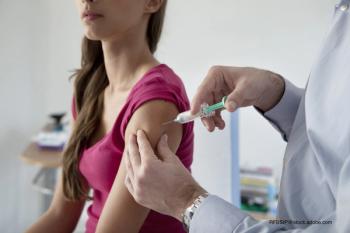
The United States has been working on increasing human papillomavirus (HPV) vaccine coverage, with many potential interventions suggested. Are these interventions both effective and cost-effective?
Are targeted screenings for sexually transmitted infections (STIs) or universally offered screenings more cost effective than not screening? An investigation offers some answers.
Human papillomavirus (HPV) vaccination coverage has lagged in the United States. A report looks at whether the coverage will meet the Healthy People 2020 goal.

The Healthy Choices intervention has been shown to be effective with managing HIV, but is it better when provided at home or in the clinic? A new report sheds some light.
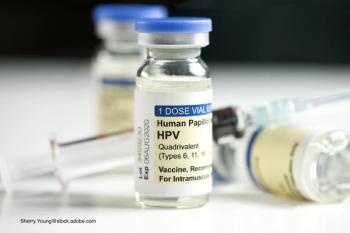
The human papillomavirus (HPV) vaccine is the key to a major public health victory, but the vaccine coverage has been less than effective. A report offers some answer to how parental intent has made an impact.

A program with the goal of expanding human papillomavirus (HPV) vaccination and preventing HPV-related cancers has been expanded.

Clinicians may still use urine nucleic-acid amplification tests, despite the recommendation to use a more sensitive vaginal swab to test for Chlamydia trachomatis. A report looks at whether a quality improvement program could change that.
Advertisement
Advertisement
Trending on Contemporary Pediatrics
1
A puzzling rash in a toddler
2
Pediatric institutions showed limited social media response to acetaminophen-autism claims
3
Osteopathic treatment shows safety in infants with plagiocephaly
4
Pediatric e-bike and e-scooter injuries nearly quadruple at California hospital
5