






A new report offers the definitive finding of any connection between prenatal Tdap vaccination and autism.
A new report offers the definitive finding of any connection between prenatal Tdap vaccination and autism.

A new study reviewed rates of sexual activity and condom use in states that have passed legislation on HPV vaccine education. Here’s what researchers found regarding the prevalence of risky behaviors.


A new report highlights the fallout from a large-scale measles outbreak in New York City in 2013.
While the ACIP continues to recommend the intranasal flu vaccine for the coming year, AAP is being more cautious in its recommendation due to limited data on last year’s performance.
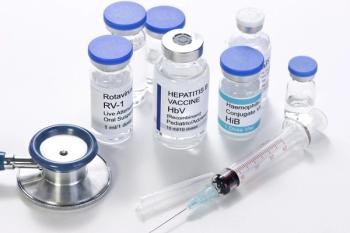
The number of kindergartners starting school without protection against vaccine-preventable diseases is increasing in states that allow nonmedical exemptions to recommended immunizations.
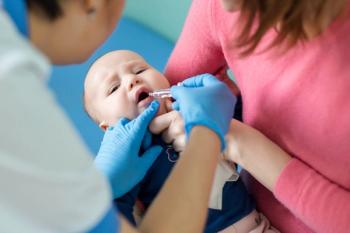
A new report reveals that hospitalizations for afebrile seizures, as well as for gastroenteritis, have dropped since the introduction of a rotavirus vaccine in 2006.
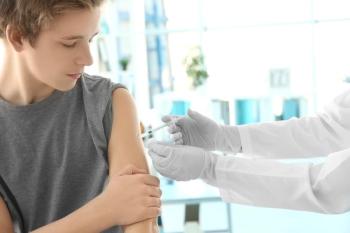
Provider recommendations are helpful in increasing vaccination rates for human papillomavirus (HPV), but could be utilized more, says a new report.

When you approach a parent who is hesitant about vaccinating her infant at the appropriate well-baby visits, perhaps you say something like this: “Well, we have to do some shots.” Or you might say, “How do you feel about vaccines today?” The former strategy (a “presumptive” approach) is more likely to be effective than the latter (a “participatory” approach), according to a study in parents whom a standardized survey classified as being hesitant about vaccines.
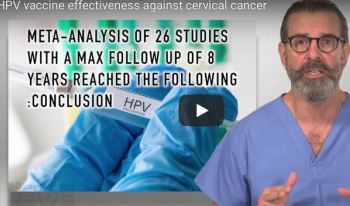
For Contemporary Pediatrics, Dr Bobby Lazzara discusses a Cochrane Review that looks at the effectiveness of the HPV vaccine on preventing cervical cancer.

Not every vaccine is recommended for universal application, but clinicians largely lack understanding about these conditional or permissive recommendations and don’t know how to talk to patients and families about them.

Frequency of care in pediatric populations tends to wane as children reach adolescence, but a new study investigates whether parents would allow clinicians to reach out to their children by text message to offer important reminders.

College students with a history of waived vaccinations often refuse to receive updated immunizations, according to a new report.
A third dose of the mumps vaccine for everyone-not just those in outbreak areas-may help combat a resurgence of the virus, according to a new report.

A popular claim in the antivaccination movement that too many vaccines can set children up for poor immunity overall has been refuted in a new study.
A change in the H1N1 component may have solved efficacy problems from prior formulations of the intranasal vaccine.
For Contemporary Pediatrics, Dr Bobby Lazzara discusses a case control study published in Pediatrics that looked at whether associations existed between mother receiving influenza and/or Tetanus, diphtheria, and acellular pertussis vaccinations during pregnancy and infant hospitalization or death occurring in the first 6 months of life.
There are some notable revisions in 2018 to recommendations concerning hepatitis B vaccination for newborns and a third dose of mumps-containing vaccines, among others.
Fear of needles may play a larger role than clinicians think in vaccine compliance, both in the childhood years and beyond.
For Contemporary Pediatrics, Dr Bobby Lazzara discusses a practice update published in the Annals of Allergy, Asthma & Immunology regarding egg allergies and administration of the influenza vaccine.
A new study reviewing whether drinking water before vaccination could help dispel feelings of postvaccination dizziness found instead that anxiety before the shot may be a bigger factor.
The Advisory Committee on Immunization Practices (ACIP) is reporting that despite the lack of an intranasal option, there has been no substantial decline in flu vaccination among children.
Patients who refuse vaccines or use alternate schedules are less likely to make routine appointments, according to a new report.
The American Academy of Pediatrics stresses the importance of vaccinating all children aged older than 6 months early in the season for the best flu protection.
It’s important to stay up-to-date on the latest news about vaccines, particularly when so many parents today are questioning the safety and necessity of vaccinations.