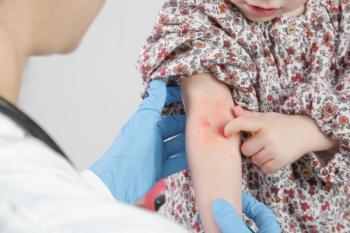
Children with atopic dermatitis have higher ADHD risk, particularly with early, severe disease and sleep disturbance, a review found.
Children with atopic dermatitis have higher ADHD risk, particularly with early, severe disease and sleep disturbance, a review found.

Baseline severity and clinical phenotype may help predict response to systemic therapy in children with alopecia areata.
Pediatricians can help teen athletes navigate sports supplements by prioritizing nutrition and identifying products to support, limit, or avoid.
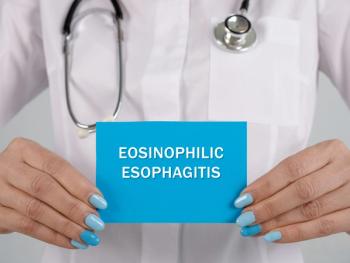
Phase 3 CROSSING trial data show tezepelumab improved histologic remission and dysphagia versus placebo through week 52 in EoE.

FDA approved apitegromab-mstn (Isembyld) for SMA in patients 2 years and up, based on phase 3 data showing added motor gains with SMN2 therapy.

The FDA approved 40 mg and 50 mg twice-daily leniolisib (Joenja) for children ages 4 to 11 years weighing at least 27 kg with activated PI3Kδ syndrome.

This FAQ breaks down the AAP's newest COVID-19, RSV, and influenza recommendations for clinicians who want a quick refresher on what changed for the 2026-2027 season.

Review some of the top stories from the Contemporary Pediatrics website over the last week, and catch up on anything you may have missed.

Spot pediatric cancer red flags in everyday symptoms, avoid steroid missteps, act fast on emergencies, and guide survivors with smart follow-up.

XOCOVA gives pediatricians a new oral option to help prevent COVID-19 after exposure in adolescents aged 12 years and older.

Week 52 data from the reACHin trial show navepegritide stabilized foramen magnum stenosis and boosted growth in infants with achondroplasia.

Can you guess the diagnosis?

Phase 3 CANOPY-HCH-3 data show vosoritide significantly improved growth velocity, height, and arm span in children with hypochondroplasia.
A CDC-backed CHAMPS surveillance report across 7 countries finds 80% of child deaths were preventable, with gram-negative bacteria driving neonatal sepsis.

Semaglutide plus lifestyle changes moved 40.4% of children below the obesity threshold at 68 weeks in the phase 3 STEP Young trial.

Persephone's ARTEMIS trial found its Bifidobacterium-HMO synbiotic safe and effective at gut colonization in 114 infants and toddlers.

Can you guess the diagnosis?
Review some of the top stories from the Contemporary Pediatrics website over the last week, and catch up on anything you may have missed.

Get back-to-school pediatric guidance on vaccine updates, infection FAQs, screen time and mental health, nutrition changes, and standout cases to watch this year.
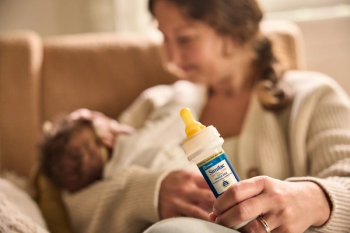
Abbott launches Similac 360 Total Care Made With Whole Milk, the first commercially sterile, ready-to-feed liquid formula made with whole milk sold in the US, priced near its powdered line.

A recap of the top FDA approvals, authorizations, and regulatory decisions affecting pediatric care during August 2026.

Five rapid developments — new mRNA flu vaccine, CDC director, ACIP/NVAC charters, a vaccine order, and an HHS RFI — roil the 2026 schedule.
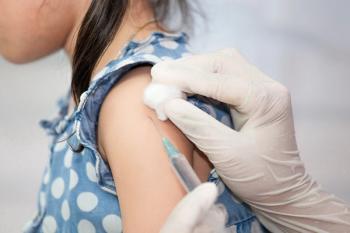
Court fight over CDC 2026 childhood vaccine schedule shifts shots to shared decision-making; experts warn lower uptake for Hep A, B, flu, COVID.

A content analysis of 159 picture books found food often symbolized family connection and culture more than nutrition alone, according to Carol Duh-Leong, MD, MPP.
The FDA approved zilganersen (Zanvastro) for Alexander disease in patients from infancy through adulthood, based on Phase 1-3 gait speed data.

New evidence supports influenza, COVID-19, and RSV immunizations for reducing severe respiratory illness and hospitalization.

CDC's 2025 NIS-Teen data show HPV vaccine coverage flat for a fourth year, with rural adolescents 12 points behind urban peers in receiving ≥1 dose.

The AAP's 2026-2027 policy recommends universal vaccination for infants 6-23 months and a risk-based single dose for children 2-18 years.
Can you guess the diagnosis?

AAP guidance expands RSV immunization eligibility for children aged 8 through 19 months at high risk of severe disease.