
The review found no credible evidence linking HPV vaccination to serious adverse pregnancy outcomes or other long-term health risks.
The review found no credible evidence linking HPV vaccination to serious adverse pregnancy outcomes or other long-term health risks.

Take a quick look at everything you may have missed in April, including the top FDA approvals and latest clinical updates.

Explore essential menstrual product options and education for adolescents, addressing safety, comfort, and personal preferences in menstrual health.

FDA expands ASCENIV label to include pediatric patients aged ≥2 years with primary immunodeficiency, broadening earlier treatment access.
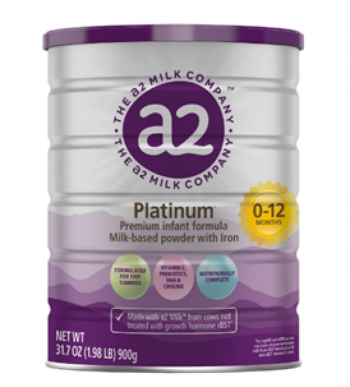
a2 Milk Company recalled 3 infant formula batches after detecting cereulide, a toxin that can cause rapid-onset gastrointestinal illness in infants.

FDA granted rare pediatric disease designation to SB-101 for urea cycle disorders, a cell-based liver therapy set for phase 1/2 testing.
FDA approved insulin glargine-aldy as an interchangeable biosimilar to Lantus for type 1 diabetes and adult type 2 diabetes.
FDA granted rare pediatric disease designation to investigational (Z)-endoxifen for McCune-Albright syndrome in girls.

Phase 3 sunRIZE trial of ersodetug in congenital hyperinsulinism missed its primary endpoint but showed CGM-based glycemic gains.

Don Arnold, MD, MPH, highlights how a nurse-driven guideline reduced time to phototherapy in neonatal jaundice care.

Two-year CAHtalyst data show crinecerfont sustains androgen reduction and lowers glucocorticoid doses in children with congenital adrenal hyperplasia.

Phase 3 data show berdazimer gel improved lesion clearance vs vehicle in molluscum contagiosum with a favorable safety profile.

A look back at the FDA submissions and regulatory decisions in the pediatric health care space from April 2026.


Raising pediatric flu vaccination to 70% could significantly reduce outpatient visits, hospitalizations, and deaths, easing strain on US systems.

HOPE perfusion showed early graft survival signals in pediatric partial-graft liver transplantation, but data remain limited to small reports.
FDA cleared Earflo for children 2 years and older with negative middle ear pressure, expanding at-home autoinflation options.

Autism food selectivity hides vitamin and mineral gaps despite normal growth—learn exam-room strategies to spot risks and expand diets safely.

Pilot study finds maternal dairy intake associated with lower levels of select human milk lipids, with unclear implications for infant health.

Jon Farber, MD, shares his thoughts on outpatient management for some febrile patients with sickle cell disease.

FDA testing of 312 infant formula samples found low or undetectable levels of contaminants, supporting safety and ongoing monitoring efforts.

Donna Hallas, PhD, PPCNP-BC, CPNP, PMHS, FAANP, FAAN, shares her thoughts on the March/April 2026 issue of Contemporary Pediatrics, focused on nutrition.
The FDA cleared a generic Infuvite Pediatric injection for children receiving parenteral nutrition, adding a new option for hospital supply.

New AAP guideline replaces “failure to thrive” with “faltering weight,” emphasizing standardized diagnosis and targeted, less invasive care.

The FDA approved Breztri Aerosphere as the first single-inhaler triple therapy for asthma maintenance in patients 12 years and older.

AbbVie filed an sNDA for upadacitinib to treat severe alopecia areata in adults and adolescents based on phase 3 UP-AA trial results.
Jon Farber, MD, shares his thoughts on the benefits of continuous intrathecal baclofen therapy in cerebral palsy.

Data presented at PAS 2026 show that specific neighborhood factors—not overall scores—drive asthma outcomes, pointing to targeted interventions for reducing ED visits.

FDA clearance is being sought for roflumilast cream for infants 3 months and older with mild to moderate atopic dermatitis.

Autism diagnoses by primary care providers vary widely by region and state, highlighting disparities in access to specialty care.