

After accounting for maternal mental health conditions, a new meta-analysis found no significant link between prenatal antidepressant exposure and autism or ADHD in children.
After accounting for maternal mental health conditions, a new meta-analysis found no significant link between prenatal antidepressant exposure and autism or ADHD in children.

High school students who viewed tanning positively or sunscreen use negatively were less likely to practice sun safety

Hannah Murphy, PhD, of Vizient, discusses recent research that found children with diabetes had substantially higher rates of mental health disorders and suicide risk.

Researchers at Children’s Healthcare of Atlanta and Georgia Tech are testing an AI tool to detect worsening teen mental health online.

Preclinical data for Gemma's GB703 in DMD and GB221 in SMA1 highlight early gene therapy strategies, but clinical questions remain.
RGX-202 met a microdystrophin biomarker endpoint in phase 3 Duchenne muscular dystrophy data, with functional findings still preliminary.

A UK phase 2b trial will evaluate Lactin-V for preventing preterm birth in pregnant patients at high risk of early delivery.

National pediatric and infectious disease groups convened a measles summit as US cases reached the highest level in 35 years.

For Healthy and Safe Swimming Week, the CDC highlighted key strategies to prevent drowning, pool illnesses, and chemical injuries.

Expert recommendations outline how crinecerfont may help reduce glucocorticoid exposure in children with classic CAH.
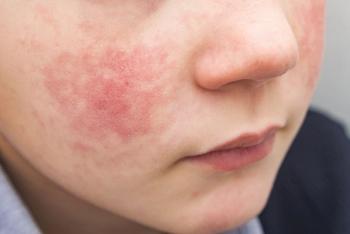
Chronic pediatric skin disorders cause significant stigma, bullying, depression, and suicide risk—conditions often underrecognized and undertreated by physicians.

RVL-001, a vorinostat formulation, has entered early placebo-controlled studies in Rett syndrome and Pitt-Hopkins syndrome.

An international consensus group has recommended renaming PCOS to PMOS to better reflect the condition’s endocrine and metabolic features.
Expert recommendations outline how crinecerfont may help reduce glucocorticoid exposure in children with classic CAH.

Early AK-OTOF trial data showed hearing improvements and favorable safety in children with OTOF-mediated hearing loss.

Third-trimester maternal COVID-19 vaccination reduced infant hospitalization risk, while prepregnancy vaccination showed no protection.
The FDA approved ocrelizumab for pediatric RRMS in patients 10 years and older after positive OPERETTA II trial results.

ABS-1230 entered phase 1b/2 testing for KCNT1-related epilepsy as Actio also joined the FDA Rare Disease Evidence Principles process.

Researchers identified macrophage-driven dural lymphatic refinement as a potential regulator of social behavior in ASD models.

More than 20,000 water bead ingestions in children younger than 6 years were reported over 6 years, with some cases requiring surgery.

Urine F2-isoprostanes were associated with more severe viral respiratory illness in infants across 2 independent cohorts.
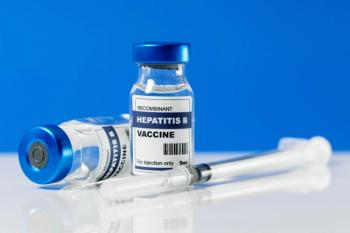
Modeling data suggest removing universal hepatitis B birth-dose vaccination could increase neonatal and chronic HBV infections in US infants.

Swedish trial data showed slow up-dosing peanut oral immunotherapy achieved sustained tolerance in most toddlers with peanut allergy.

Two-year data from the pivotal ApproaCH trial showed sustained growth improvements with TransCon CNP in pediatric achondroplasia.

Existing maternal cardiac risk models showed poor prediction of neonatal complications in pregnancies complicated by congenital heart disease.

New expert recommendations outline pediatric glucocorticoid dose reduction strategies after starting crinecerfont in classic CAH.

Rethink foster placements for high-need youth: track “safe days,” use data-driven supports, and access timely residential care to prevent harm.
The review found no credible evidence linking HPV vaccination to serious adverse pregnancy outcomes or other long-term health risks.

Take a quick look at everything you may have missed in April, including the top FDA approvals and latest clinical updates.

Explore essential menstrual product options and education for adolescents, addressing safety, comfort, and personal preferences in menstrual health.